Lombardy is far more than Milan's hinterland—it is a region where Renaissance artistic genius coexists with Alpine austerity, where trattorias still serve risotto alla milanese according to family recipes, and where Naviglio waterfront competes with mountain landscapes for your attention. A weekend here demands choice: total immersion in the metropolis of fashion and innovation, or escape toward Bergamo's medieval architecture and wild alpine peaks. The truth is that Lombardy offers both, and those who orchestrate their 48 hours experience something rare. Don't expect picturesque Tuscany—Lombardy is subtler, more urban, more self-aware. It is a region that demands to be decoded, not consumed.

Milan: 24 Hours Between Masterpieces and Contemporary Design
Begin at the Duomo di Milano, that Gothic cathedral whose three thousand sculpted marbles represent the purest ambition of European medievalism. Then head toward Castello Sforzesco, where fifteenth-century walls house art, design, and natural history collections that transform the fortress into a true urban encyclopedia. For those who love refined painting, the Pinacoteca di Brera is essential: Caravaggio, Hayez, Bellini under one roof. But Milan reveals its most authentic face in less-explored neighborhoods—the Navigli remains Lombardy's Venice, where Winelivery Bar & Enoteca Milano Darsena offers natural and organic wines with canal views. Stay at Hotel Manzoni in the refined Santo Spirito neighborhood, among historic palaces and luxury boutiques. For dinner, Antico Ristorante Boeucc Milano dal 1696 represents Milanese gastronomic continuity—here risotto alla milanese is liturgy, not recipe.

Bergamo: The Hilltop City and Medieval Enchantment
Forty minutes from Milan, Bergamo is a revelation—two cities in one. Lower Bergamo is commercial and orderly; the Città Alta, perched on Venetian walls, is a labyrinth of cobbled squares and churches where time seems suspended. Climb on foot or by funicular to reach the Città Alta. Here, the Basilica di Santa Maria Maggiore will astound you with its Baroque interior and intricately carved sixteenth-century wooden choir stalls. Then wander to Piazza Vecchia, perhaps Italy's most intact medieval square. For those seeking to understand the territory, the Museo Civico di Scienze Naturali Enrico Caffi di Bergamo illustrates the ecosystems of the Orobian Alps, mountains dominating the horizon. Stay at Albergo Novecento, a design hotel honoring Italian modernism. Dine at Cellarium Wine & Food on Via Pignolo: genuine Bergamo wines and local cuisine among Renaissance churches.

The Lombard Alps: Wild Nature to the North
Those who think Lombardy is only cities have not yet discovered the Valtellina, where the Alps descend toward the Po with a ferocity that surprises. Just kilometers from Milan you can find yourself amid wild alpine landscapes. Indomita Outdoor specializes in rafting and canyoning on the Valtellina River—here Lombard rivers show their true character, navigating wild rapids surrounded by mountain gorges. It's not for the faint-hearted, but it is authentic. For more tranquil hikers, CAI Milano organizes expeditions through southern peaks. The Riserva Naturale Oasi WWF ZSC Valpredina-Misma near Bergamo is a more accessible alternative—well-marked trails through hygrophilous forests where roe deer, woodpeckers, and raptors remain daily reality. Equip yourself with serious boots: the Vibram Store in Milan—flagship of the brand that revolutionized sole technology—will provide you with the most innovative solutions for tackling mountain terrain.
Luxury Pockets: Private Art, Wellness, and Exceptional Cuisine
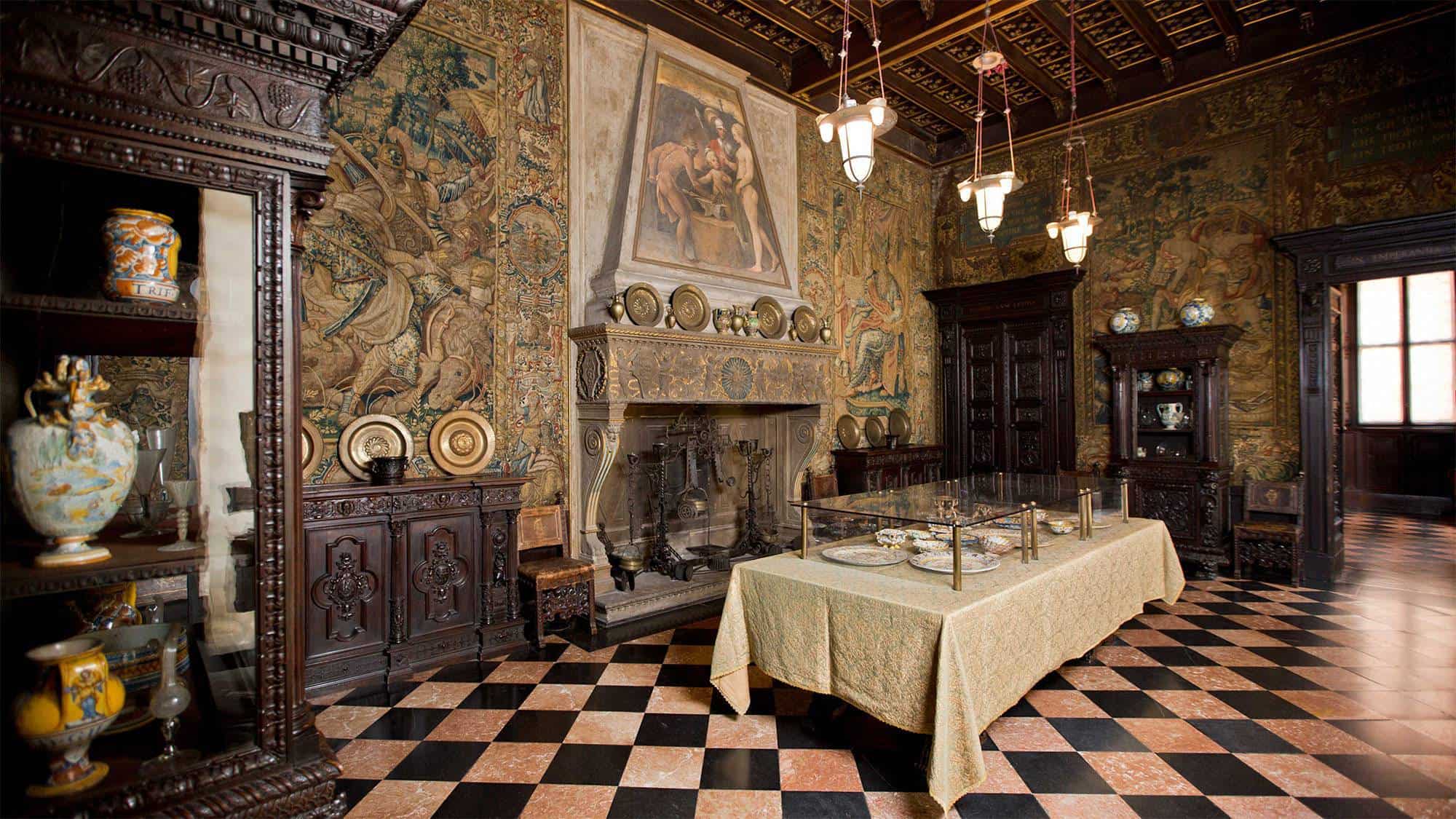
Lombardy at rarefied levels offers experiences that fast tourism doesn't capture. Museo Bagatti Valsecchi is a nineteenth-century residence transformed into a museum—a private collection that tells the refined taste of Milanese bourgeoisie. It is cultural intimacy, not mass spectacle. For wellness, Retreat and ViVi SPA Privata Milano are sanctuaries where the pursuit of total regeneration is ritual. After long urban walks, these spaces offer meticulous restoration far from city intensity. If you wish to escape canonical Italian cuisine's geometry, Felice a Testaccio Milano brings reinvented Roman cooking to Lombardy—cacio e pepe, amatriciana, dishes that respect tradition while pushing beyond its boundaries. For those who simply want to sleep in the historic heart, Senato Hotel Milano steps away from the Duomo and La Scala offers contemporary elegance with privileged access to the city's most famous monuments. The more discreet alternative? Hotel Da Vinci Milano in the vibrant Navigli district—less known but more authentic.
Practical tips
Buy the Milan City Pass if visiting multiple museums: with 48 hours, it eliminates queues and permits rapid access to Castello Sforzesco, Pinacoteca di Brera, and the Duomo.
The Navigli are magical at sunset: rent a bicycle and follow the canals to less-touristy peripheries where Milanese people actually live.
Don't skip Parco Arcadia in Milan: it is an ecological micro-cosmos where you understand the delicate balance between the Po Plain and wild nature—10 minutes from downtown, different worlds.
Climb to Bergamo Alta early in the morning, before tourist crowds: the golden light on red brick is an experience deserving of solitude.
Lombardy is eaten: order artisanal panettone year-round, summer panettone, late-season risotto—every season has hidden specialties that haute cuisine leaves untouched.
Plan your trip
Personalised day-by-day itinerary in 5 minutes — restaurants, hotels, live events.
Plan now