Anyone who rushes through Tuscany has already lost. This weekend proposes a different strategy: two cities, two rhythms, a lesson in how to experience authentic Italy. Florence deserves more than a museum marathon — here you'll learn to read architecture as language, where every corner conceals a fresco or a living artisan's workshop. Lucca, often overlooked in favour of Chianti, is the secret that discerning travellers keep: sixteenth-century walls still intact, squares where history still breathes, and cuisine that doesn't mimic tourism but deliberately ignores it. This itinerary skips Siena's Duomo and the Crete Senesi — that's not the point. The aim instead is to understand Tuscan genius in its most refined and convivial forms.

Florence: Day One Among Frescoes and Living Craftsmanship
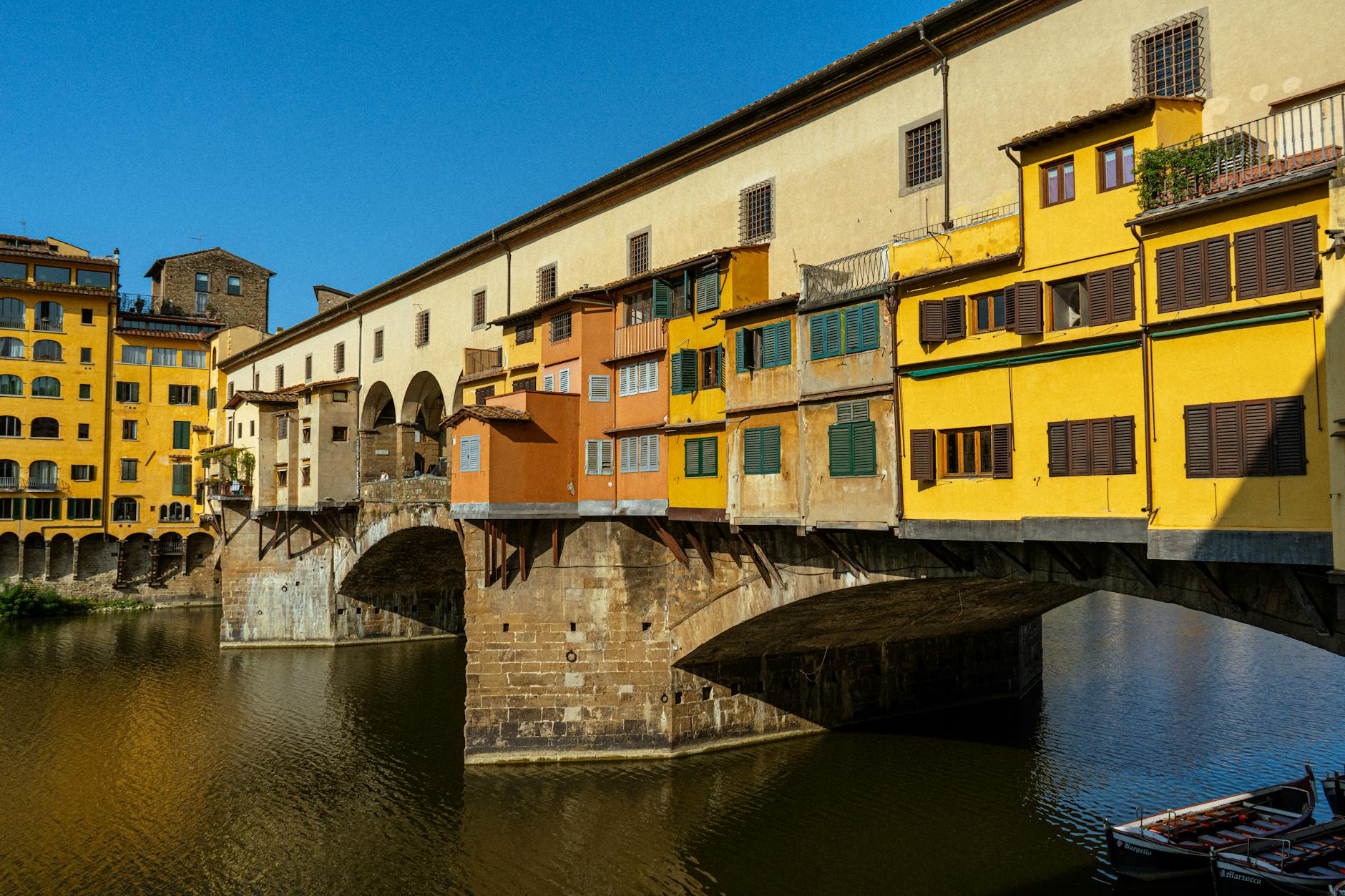
Arrive in Florence in the morning and leave your luggage at Albergo Firenze, situated in the city's pulsing heart just steps from the Duomo. This location is no accident — it allows you to immediately begin walking, absorbing, breathing Renaissance Florence without tourist filters. The first hours are devoted to conscious wandering: the Baptistery, the Opera Museum for frescoes by Giotto and Cimabue, architectural details on building facades. Don't rush. Around 1 p.m., head toward the Giardino delle Scuderie Reali, a green space where Medici walls reflect across lawns rooted in Tuscan tradition. It's a place tourists don't know about, perfect for meditative pause. The afternoon is dedicated to living craftsmanship: workshops around Ponte Vecchio where master restorers, framers and gilders still work using fifteenth-century methods. Evening is free for dinner at your hotel or in one of the city centre's historic restaurants — but not the usual tourist trattoria.

Lucca: Walls, Wine Bars, and Uncompromising Cuisine
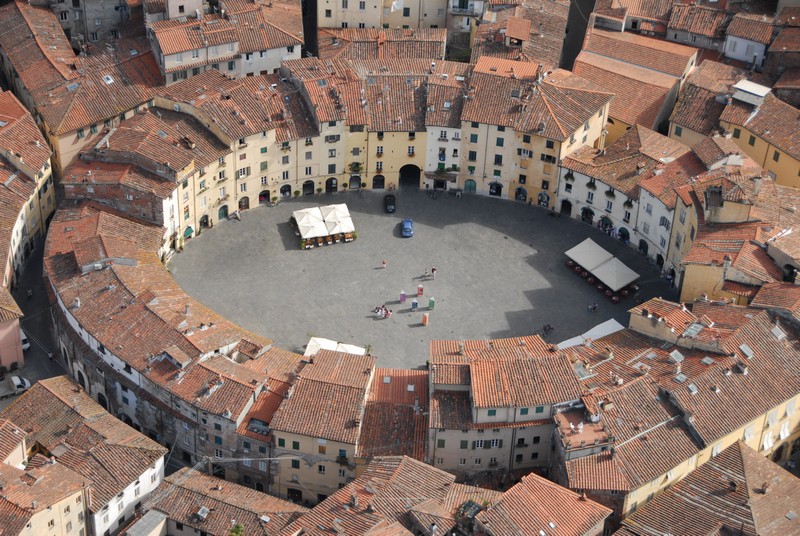
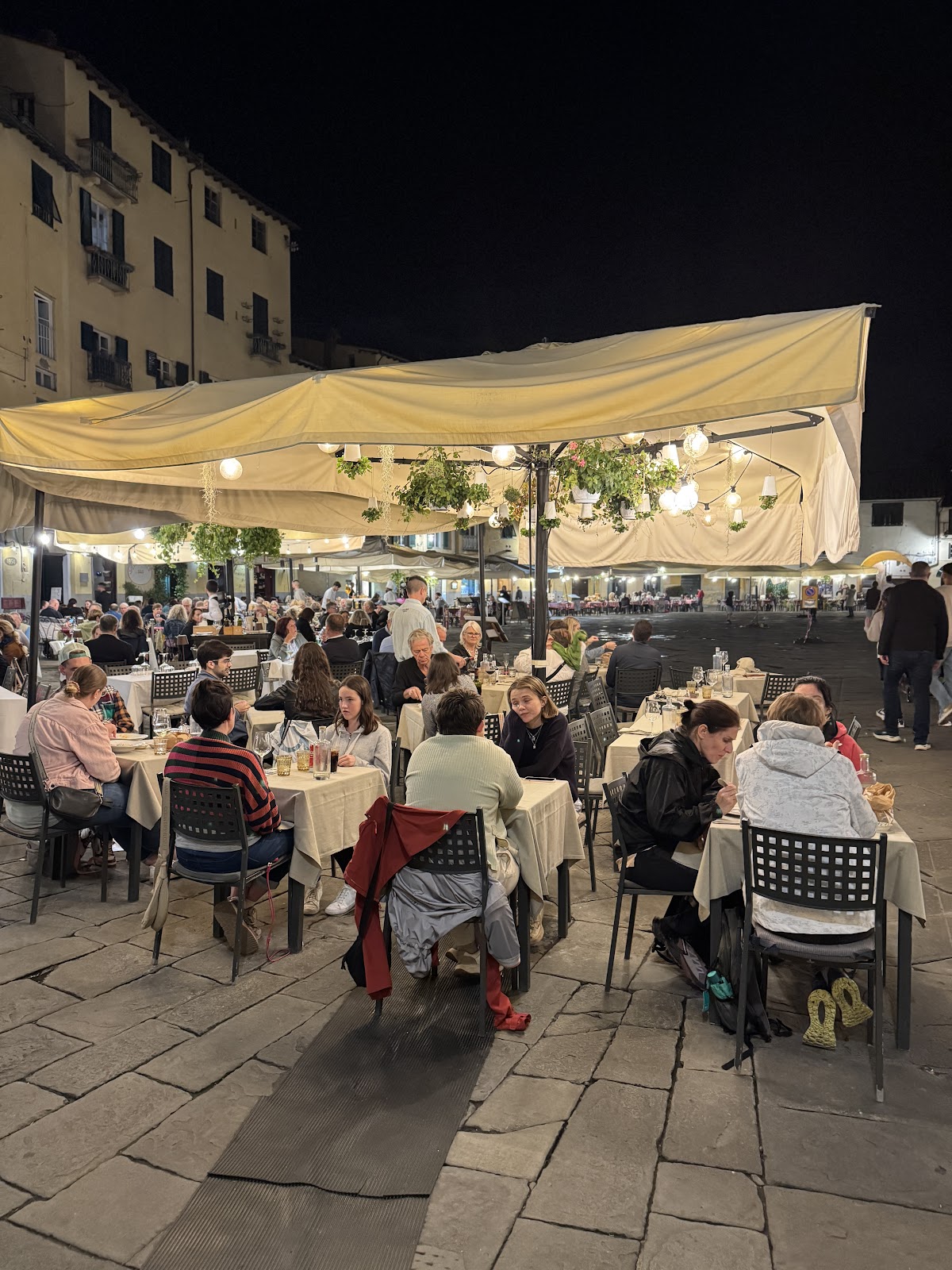
The transfer from Florence to Lucca takes 90 minutes by train. Every second is worth it. Lucca is not a tourist-tamed city — its architectural choices prove it: sixteenth-century walls remain intact, walkable as a green ring around the centre. Stay at VERDERAME Rooms & Suite in Lucca, strategically positioned near the walls and historic shopping streets. Your first afternoon: a walk on the walls (free, completable in 45 minutes) for an authentic perspective of the city and surrounding countryside. Back in the centre, visit the Cathedral of San Martino, but do so in silence — the church possesses rare introspective quality. Dinner is sacred in Lucca. Choose between Osteria la Dritta with its regional wines in the square, L'Oste di Lucca - Corte Compagni for contemporary reinterpretation of Lucca tradition in its evocative medieval courtyard, or Trattoria da Nonna Clara for the purity of rural Lucca cuisine. If you're a wine enthusiast, book Baffardello Enoteca for a tasting of rare Tuscan wines with local charcuterie boards. The next morning: dedicate it to Piazza dell'Anfiteatro (today a convivial plaza) and L'Angolo Tondo, where creativity reinterprets Tuscan gastronomy surrounded by history.

Recommended Indulgences: Wine, Hiking, and Experiences Beyond the Norm
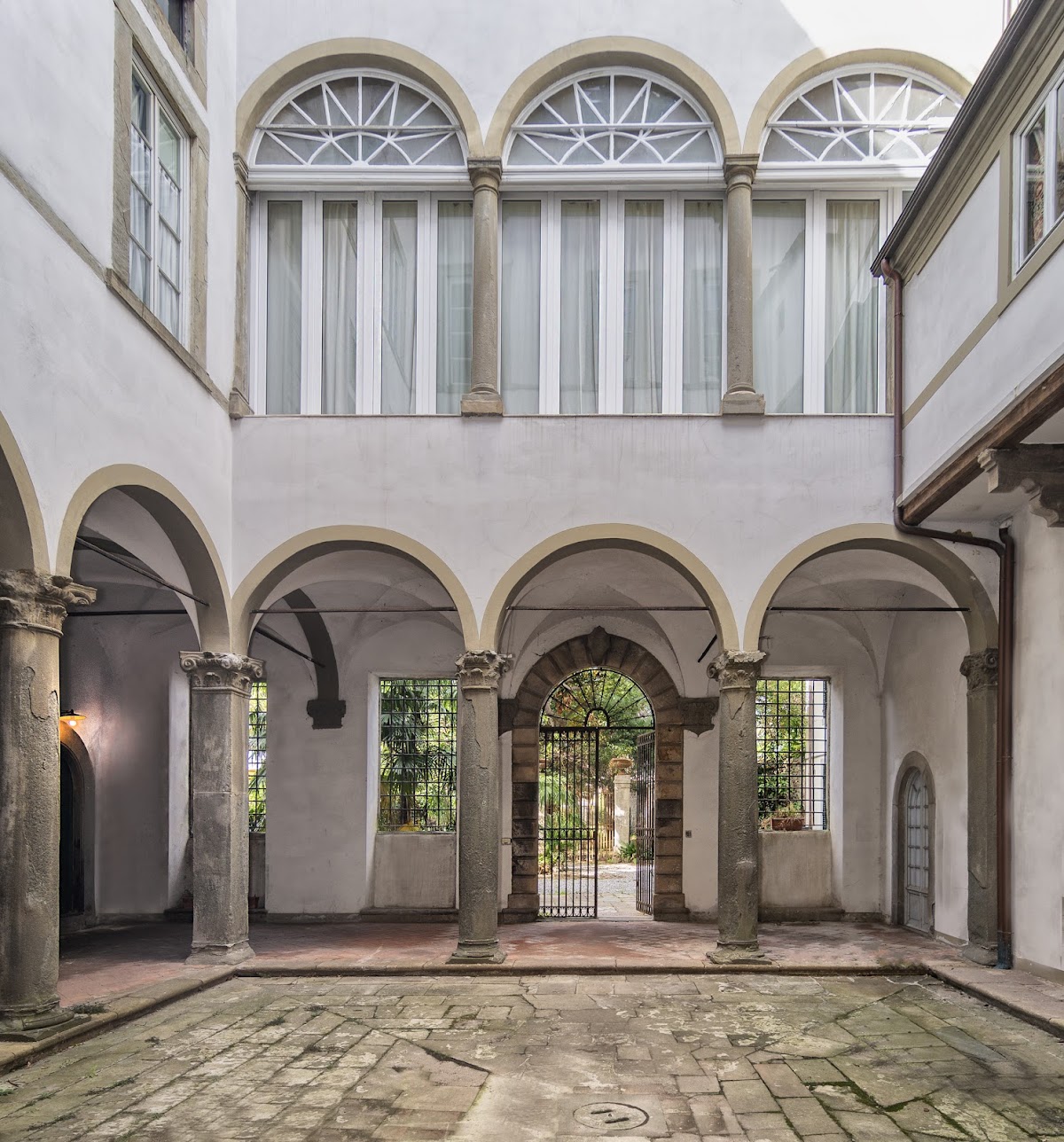
If your weekend has scheduling flexibility, northern Tuscany offers fascinating detours. The Passo di Dante, near Pisa (30 minutes from Lucca), is an excursion uniting literary history and nature: the historic route between Pisa and San Giuliano Terme crosses oak forests with views over Tuscan ridges. It's not a tourist walk — it's genuine trekking requiring proper shoes and one or two hours of time. For those preferring unconventional experiences, Canyon Park - Parco Avventura in Lucca territory offers tree-top courses and nature activities immersed in Serchio valley vegetation. It's not for everyone, but for those who enjoy controlled adventure, it's an authentic way to touch the Tuscan landscape. In Lucca itself, Quanto Basta Lucca deserves a visit if you want to push local cuisine beyond traditional boundaries — technical refinement applied to seasonal Tuscan ingredients. Sottosotto, in Piazza dell'Anfiteatro, combines modernity and tradition with a menu celebrating locally sourced ingredients reinterpreted. Conclude your stay in one of the most intimate hotels: Le Camere di Caterina offers authentic family hospitality near the Cathedral, while Corte Meraviglia - Relais provides an elegant retreat in a historic courtyard away from traffic.

Practical Logistics: How to Move Without Stress
Transport: Florence and Lucca are connected by direct, frequent trains (Trenitalia). The journey takes 90 minutes; tickets cost between 10 and 20 euros depending on train type. Don't rent a car — both Florence and Lucca are pedestrian cities where cars are obstacles. Distances are manageable on foot; if tired, taxis are reliable. Timing: depart Friday evening from Florence to Lucca, or arrive Saturday morning in Florence and return Monday. Three days allows the right pace without rushing. Reservations: the most interesting restaurants (L'Oste di Lucca, Quanto Basta, Osteria dell'Indulgenza) require booking, especially weekends. Contact directly by email or phone — local word-of-mouth counts. Money: bring cash. Many authentic venues don't accept cards. ATMs are everywhere in both cities. Clothing: comfortable shoes (Lucca's walls have 4 km of walkway, irregular paving). Hat and sunscreen in summer months — both Florence and Lucca are exposed. Sunglasses are not optional. Language: Italian is useful — tourist English doesn't penetrate authentic places. Learn at least: 'Buongiorno', 'Grazie', 'Un tavolo per due' (a table for two).
Practical tips
Avoid Florence's most famous museums during peak hours — go at sunset when raking light transforms frescoes and tourist crowds thin out.
Always ask for 'what's not on the menu' in authentic restaurants — the daily special or house speciality reveals more about the establishment's culinary philosophy than any printed menu.
Lucca's walls are free and walkable in both directions — climb at sunset for epic photographs without other tourists around.
Book Baffardello Enoteca for an afternoon tasting — the Italian siesta hour is the best time to discover rare wines without haste.
If time allows, the Passo di Dante deserves half a day — leave early, bring water and snacks, and return in time for dinner in Lucca.
Plan your trip
Personalised day-by-day itinerary in 5 minutes — restaurants, hotels, live events.
Plan now