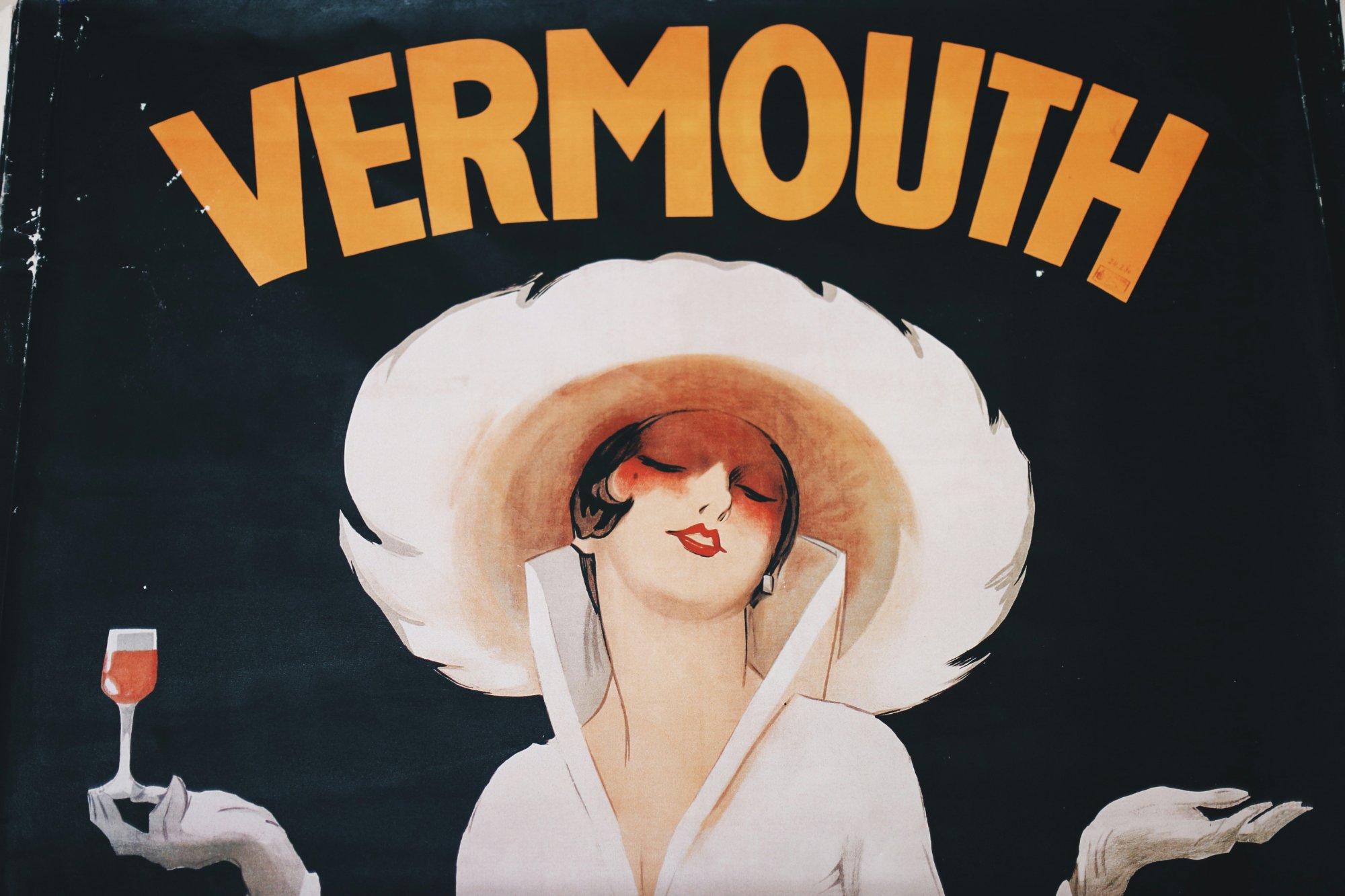
Vermouth di Torino is the only alcoholic beverage in the world that has the city of production in the product's very name — not the name of a grape, a region or a process, but a specific city. Antonio Benedetto Carpano invented it in 1786 in a shop on Piazza Castello. The original recipe was simple: dry white wine aromatised with artemisia (wermut in German, hence the name) and a series of herbs and spices, sweetened with cane sugar. In two hundred years that recipe generated an entire universe of products — from the sweet Red to the delicate White to the Dry for cocktails — and inspired imitations worldwide. But the original Vermouth di Torino, produced exclusively in Piedmont with Piedmontese wines and herbs from the Maritime Alps, is structurally different from industrial vermouth produced elsewhere. This guide explains why.
History: from Carpano to the World
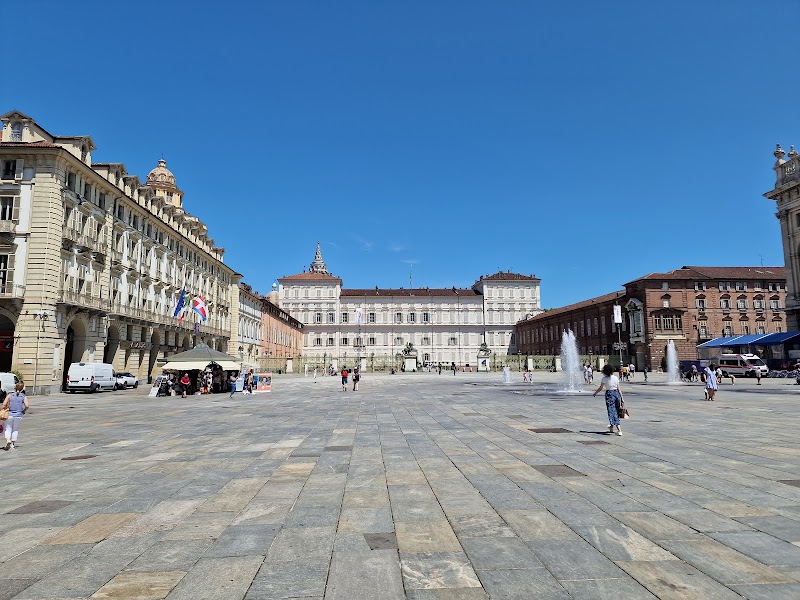
Antonio Benedetto Carpano opened his shop on Piazza Castello in 1786. The original Carpano Vermouth recipe was based on Piedmontese white Moscato wine, major artemisia, some thirty alpine herbs and oriental spices, cane sugar. The product was immediately successful — King Vittorio Amedeo III made it the official beverage of the Savoy court. In subsequent years other Turin producers developed their own recipes: Cinzano (founded 1757 as a distillery, moved to vermouth around 1800), Martini & Rossi (1863, Pessione di Chieri), Gancia (Canelli, 1850). From Turin, Vermouth spread worldwide — New York, Paris, Buenos Aires — becoming the base of the 20th century's most iconic cocktails (Negroni, Manhattan, Dry Martini, Americano). Vermouth di Torino IGP is the geographic denomination established in 2017 to protect original production: must be produced in Piedmont, with a wine-based alcohol, with artemisia as the main flavouring agent, with a minimum 16% alcohol.
The Producers: Cocchi, Carpano, Cinzano, Contratto
The Vermouth di Torino market divides between large industrial producers and small artisan houses driving the product's renaissance. Cocchi (Asti, founded 1891): the reference producer for international bars. Cocchi Americano (white vermouth with gentian and cinchona, base of the Corpse Reviver #2 cocktail) and Cocchi Vermouth di Torino (red, base of the original Negroni) are among the world's most-used bartender vermouths. Carpano Antica Formula (produced by Fratelli Branca): the historic 1786 recipe in modern form — dark red, sweet, spiced, with vanilla and cocoa notes. The Manhattan reference. Contratto (Canelli): historic distillery with UNESCO underground cellars, produces Bianco and Rosso vermouth with classic method and ageing. Cinzano (now Campari-owned): the world's best-selling Vermouth di Torino, industrial production but historic recipe. Punt e Mes (Carpano): the most bitter vermouth in the Turin tradition, half sweet vermouth and half bitter, invented 1870. The name in Piedmontese dialect means point and a half.
How to Drink It: Aperitivo, Cocktails and Pairings
The most Turinese way to drink Vermouth is straight or on the rocks with an orange peel, as an afternoon aperitivo. A glass of Vermouth di Torino Rosso (€7-10 in the historic bars of the Quadrilatero) almost always includes a small accompaniment of snacks — this is the origin of the aperitivo concept. Classic cocktails using Vermouth di Torino: the Negroni (Vermouth Rosso + Gin + Campari, equal parts), the Americano (Vermouth Rosso + Campari + soda, the simplest and most underrated cocktail), the Manhattan (Vermouth Rosso + Bourbon, 1:2), the Dry Martini (Dry Vermouth + Gin, 1:6 or less). Vermouth Bianco is best straight and cool as aperitivo, or in Bianco Lemon (Vermouth Bianco + lemonade + mint). Historic Turin bars for the original Vermouth: Caffè Mulassano (Piazza Castello, since 1907), Caffè Torino (Piazza San Carlo, since 1903), Bar Cavour (Via Cavour, Quadrilatero area).
Buying and Taking Home
Vermouth di Torino is easily found in Turin supermarkets and enoteche at prices well below abroad. Indicative prices: Carpano Antica Formula 75cl €15-18; Cocchi Vermouth di Torino 75cl €12-15; Contratto Rosso 75cl €18-22; Punt e Mes 75cl €10-12. Taking home by plane: Vermouth is 16-18% alcohol, technically a wine bottle and travels in checked luggage without problems. Many Italian airport duty-free shops carry Carpano and Cinzano but the selection is limited. Vermouth should be refrigerated after opening and consumed within 1-2 months — it is not a spirit, it is an aromatised wine that oxidises.
Practical tips
Cocchi Americano and Cocchi Vermouth di Torino are the two reference vermouths for international bartenders — buy them directly in Asti or Turin at much lower prices than abroad
Vermouth should be refrigerated after opening and consumed within 1-2 months — it is not a spirit, it oxidises like wine
The Americano (Vermouth Rosso + Campari + soda) is the simplest and most underrated cocktail of the Turin tradition. Order it in the historic Quadrilatero bars before aperitivo time
Carpano Antica Formula (€15-18 at a Turin supermarket) is the historic 1786 recipe — it costs double abroad when you can find it
Plan your trip
Personalised day-by-day itinerary in 5 minutes — restaurants, hotels, live events.
Plan now