Alghero is a medieval city with Catalan walls and a port that whispers history, where Algherese—a local Catalan variant—is still spoken. The Riviera del Corallo stretches from Alghero to Porto Conte, with white sand beaches, hidden coves, and a coral barrier that flames the seabed crimson. Here, time moves with the tide, and every sunset tells a legend of navigators and corsairs.
The Landscape
The Riviera del Corallo embraces an extraordinarily beautiful coast, where fine sandy beaches alternate with red limestone cliffs and wild rock faces. The landscape is shaped by the maestrale wind that caresses fragrant junipers and sea rosemary. Inland, the mountains of the Sassari region create a fascinating contrast with the low, sandy coast. The waters are intensely blue, rich in marine fauna and dotted with small islands like La Maddalena and Asinara. The geological substrate, rich in red coral, made this area celebrated since antiquity and still fascinates biologists and diving enthusiasts.
History and Folklore
Alghero was founded by the Doria family in 1102 as a strategic port, but its true Catalan character arrived with the Aragonese in 1354. Medieval walls still embrace the historic center, testimony to centuries of trade and corsair raids. The Algherese language, a unique linguistic heritage, preserves the memory of this meeting of cultures. Local legends tell of Barbary corsairs hiding treasures in coastal caves and of the beach where Saint Michael defeated the devil. During the Siege of Alghero (1353), citizens resisted valiantly. The feast of Santa Maria del Pilar, the city's patroness, blends Spanish traditions with ancient Sardinian rituals.
What to Eat
Here the table resonates with Catalan and Sardinian flavors in perfect harmony. Fresh lobster is the star ingredient: Lobster di Alghero DOP, prepared with lemon juice and olive oil, is a minimalist masterpiece. Culurgiones—Sardinian ravioli filled with ricotta and mint—are offered in local versions with sophisticated pairings. Malloreddus, curly fresh pasta dressed with sausage ragù, are plentiful. Pane Carasau DOP, thin as paper, accompanies every meal. For desserts, seadas—fried with cheese and honey—are unmissable. Waterfront restaurants serve freshly caught fish: sea bream, sea bass, and amberjack grilled to perfection.
What to Drink
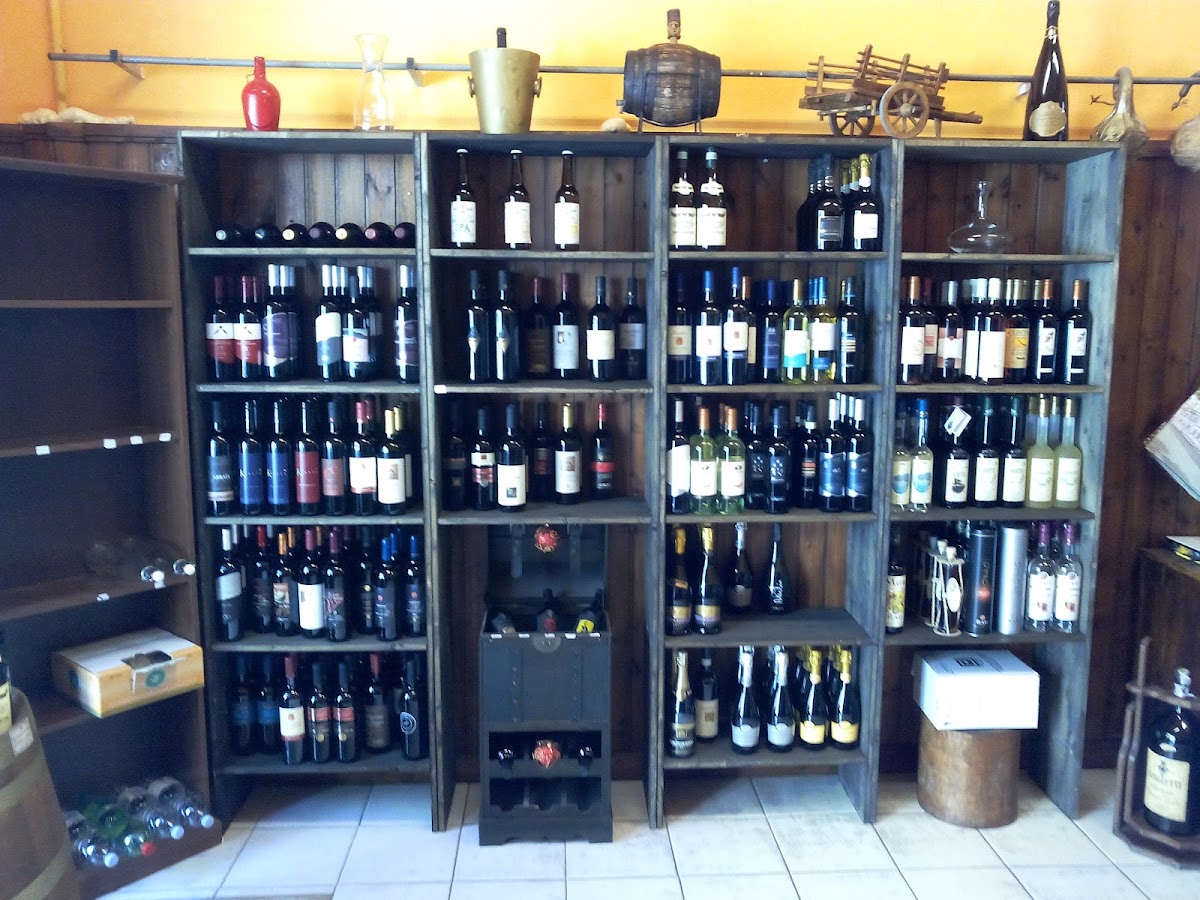
Northwestern Sardinia produces wines of great personality. Vermentino di Sardegna DOC, a mineral-driven white with salty notes, is the ideal companion for seafood. Torbato, native to Alghero, offers citrus notes and wild freshness perfect with lobster. Cannonau DOCG, a structured red, accompanies game and aged cheeses. Malvasia di Bosa, sweet and amber, magnificently closes meals. Local bitters made from wild myrtle and arbutus complete the experience. Don't miss icy Fernet Branca after dinner, a Sardinian tradition.
When to Visit
April and May offer ideal temperatures and wild flowers on the cliffs. Festa di San Giorgio (23 April) animates the historic center with processions and traditional music. June-September is peak beach season, with warm water and long sunny days. The Festival della Musica Leggera (July) attracts Italian artists. Festa di Santa Maria del Pilar (5-7 October) is unmissable with fireworks over the port. October brings quieter beaches and pleasant weather. November-February is peaceful, perfect for cliff walks without crowds.
Places Worth Visiting
Alghero's Historic Center is a labyrinth of Catalan streets, with the Cathedral of Santa Maria and wrought-iron balconies. Spiaggia della Bombarde, to the north, offers fine sand and transparent waters ideal for snorkeling in the coral reef. Grotta di Nettuno, reachable from Porto Conte or by sea, is a spectacular cave with stalactites reflecting in underground lakes—a geological wonder not to miss.
Practical tips
Book the ferry to Grotta di Nettuno at least one day ahead during peak season: departures are limited and fill quickly.
Chat with fishermen at the port at sunset: they can advise you on secret beaches and authentic restaurants where locals eat.
Rent a private boat to explore the coast: many hidden coves are only accessible from the sea and offer unparalleled solitude and beauty.
Plan your trip
Personalised day-by-day itinerary in 5 minutes — restaurants, hotels, live events.
Plan now