Costa Smeralda is a theatre of fascinating contrasts: white-sand beaches caressed by turquoise waters alternate with spectacular granite cliffs, while charming villages of Gallura preserve ancient traditions. Here the sea has the colour of a rare gem, rose-coloured granite shapes an almost lunar landscape, and every sunset paints the sky in unforgettable hues.
The Landscape
Northeastern Gallura extends across wild terrain dominated by monumental granite formations and lush Mediterranean scrub. Costa Smeralda, famous for luxury beaches, is actually only a small part of a wider, more varied landscape. The Bocche di Bonifacio strait separates this coast from Corsica, creating a fascinating passage. From the interior with its mountains and valleys to small islands like Maddalena and Caprera, the territory offers extraordinary biodiversity. Coastal winds, particularly the Tramontana, have shaped a unique ecosystem where maritime pines and junipers twist into contorted forms.
History and Folklore
Gallura has deep Nuragic roots, testimony to civilisations that dominated these territories over 3500 years ago. Nuraghi scattered across the landscape remain silent sentinels of a mysterious past. In the Middle Ages, the region was a theatre of continuous battles between Pisans, Genoese and Barbary pirates. Legend tells of brave women who warned villages of pirate raids by lighting fires on hillsides. Ancient inhabitants believed rose-coloured granite was the blood of antediluvian giants. Today, local shepherds still pass down stories of spirits wandering on moonlit nights in the Li Muri mountains, one of the most fascinating Nuragic sites.
What to Eat
Gallurese cuisine tastes of sea salt and rural tradition. Bottarga di Cabras DOP, salted and dried mullet roe, is the absolute protagonist here: grated over pasta or with local oil becomes nectar. The Pecorino Romano DOP from this area is creamy and intense, a perfect accompaniment to local wines. Malloreddus, typical Sardinian gnocchi, are traditionally prepared with wild boar ragù or sos casada (tomato sauce). Crustini gallurese, hard biscuits perfect for dunking in Cannonau wine, are a generous inheritance from grandmothers. Fresh fish dishes abound: grilled sea bream, lobster and brodetto gallurese, a rich soup of molluscs and crustaceans.
What to Drink
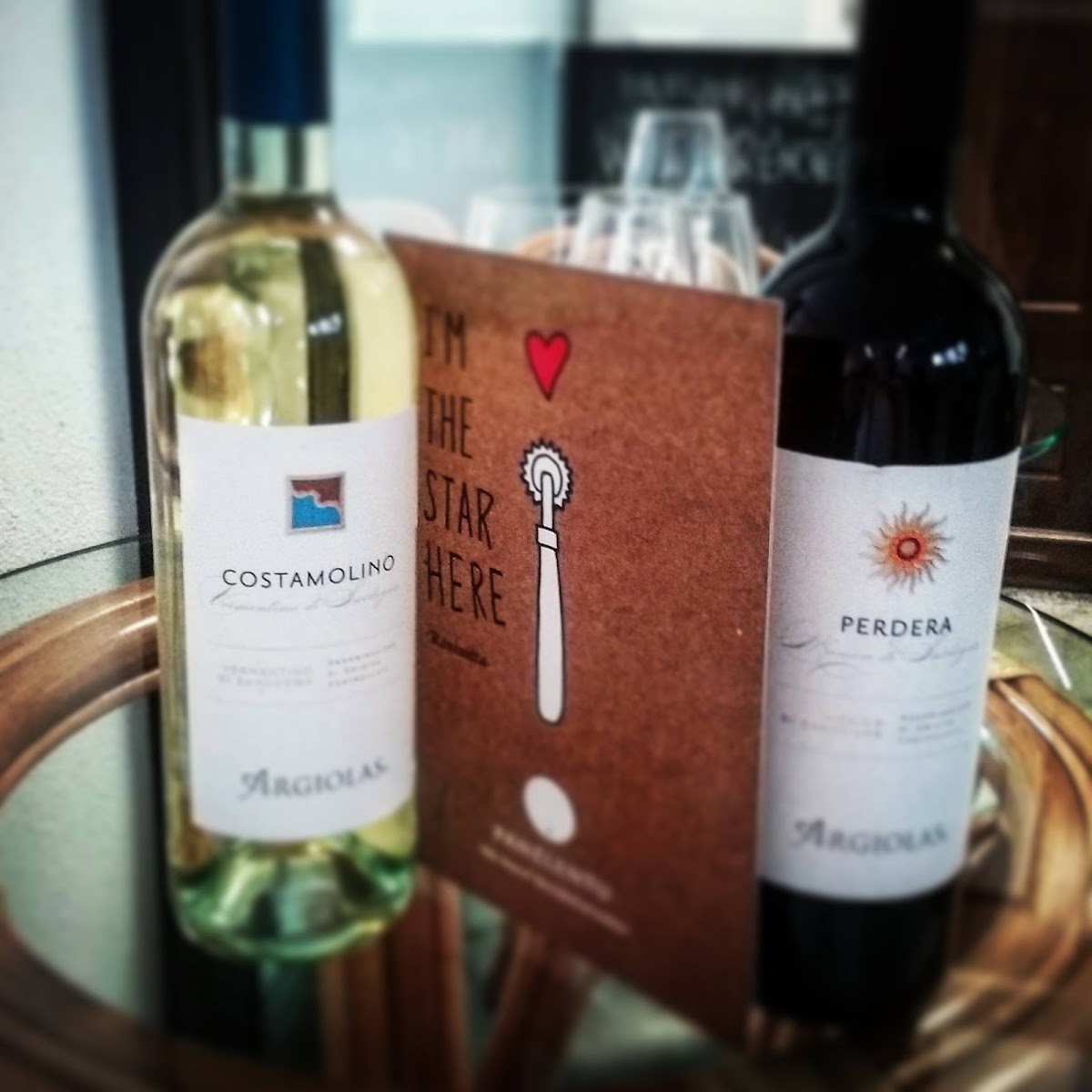
Cannonau DOCG from Sardinia is the red wine that symbolises the region: full-bodied, generous, with notes of dark fruit and spices. Also produced in the Costa Smeralda DOC, it's a perfect companion to local red meats. Vermentino di Gallura DOCG is the white that enchants: fresh, mineral, with a character reminiscent of sea salt. Many producers, such as those from historic wineries around Palau and Arzachena, offer tastings that tell the story of the territory. For aperitifs, Mirto di Sardegna, a liqueur made from wild myrtle berries, represents the most authentic Gallurese tradition.
When to Visit
Spring (April-May) paints the landscape with wild colours and offers ideal temperatures for exploration. Summer (June-August) is peak tourist season, with crowded beaches but perfect sea. The Festival of San Giorgio in Porto Cervo (April) celebrates the patron saint with colourful processions. In August, the Feast of the Assumption enlivens villages with fireworks and traditional music. Autumn (September-October) offers warm sea and less crowded beaches, with harvest season animating the wineries. Winter is mild, perfect for trekking in the mountains and visiting archaeological sites without summer heat.
Places Worth Visiting
Porto Cervo is the glittering heart of Costa Smeralda, with the canal-port designed by architect Luigi Vietti and the famous Piazzetta lined with restaurants and luxury yachts. Arzachena, medieval heart of Gallura, preserves Nuraghe Albucciu and the Church of Sant'Antonio di Gallura, while the Menhirs of Arzachena tell of ancient civilisations. The Maddalena archipelago, with its seven granite islands and unspoilt beaches like Spiaggia Rosa, is accessible from Palau and is a National Park. Garibaldi also rests here, on the island of Caprera.
Practical tips
Visit interior villages like Tempio Pausania and Calangianus early in the morning, before summer heat intensifies, to admire piazzas bustling with local produce vendors.
Rent a car or boat to explore the hidden coves of the coast. Cala Spinosa, Cala Soraya and Fico Bay are unreachable by land and reward those keen to discover.
Buy typical products directly from dairies in Arzachena and Calangianus: Pecorino Romano DOP is cheaper and higher quality than tourist shops in Porto Cervo.
Plan your trip
Personalised day-by-day itinerary in 5 minutes — restaurants, hotels, live events.
Plan now