Oristano and the Sinis peninsula represent the beating heart of western Sardinia, where turquoise coastal waters meet millennial traditions still alive in daily gestures. Here, salt lagoons sketch surreal landscapes, Genoese towers watch over fascinating villages, and the sea whispers legends of Phoenicians and Romans. It is a territory where time flows differently, where beauty does not shout but seduces with discretion.
The Landscape
Oristano province stretches between the Gulf of Oristano and the Sinis peninsula, a tongue of land jutting toward the Tyrrhenian Sea. The landscape is characterized by the Giara di Gesturi, a basaltic plateau covered with cork oaks and holm oaks where wild horses roam. The lagoons of Cabras and Santa Giusta, natural heritage of extraordinary beauty, host pink flamingos, herons and whiskered terns. The beaches of Sinis—Is Arutas, Mari Ermi and Maimoni—boast golden sands and crystalline waters. The interior offers undulating hills planted with vineyards and olive groves, while the Tirso Delta marks the northern boundary with river ecosystems of great significance. The coast features Genoese towers at San Giovanni and Su Putzu, sentinels of the past.
History and Folklore
Oristano was founded in 1070 by inhabitants of Tharros fleeing Saracen raids, becoming capital of the Giudicate of Arborea, one of four medieval Sardinian judgeships. The legendary figure of Eleonora d'Arborea, who in 1392 promulgated the Carta de Logu—the first Sardinian legal code—remains in the hearts of citizens. The Sinis preserves the ruins of Tharros, a Phoenician and Roman city that was a crucial commercial port, and the paleo-Christian basilica of San Giovanni. The tradition of Oristano Carnival, with its Sartiglia ritual (March), features riders on horseback attempting to pierce a suspended star at a gallop, evoking medieval jousts. Local legends speak of sea creatures, treasures buried in dunes and the magic of lagoons at sunset.
What to Eat
Oristano cuisine celebrates sea and land in perfect dialogue. Bottarga di muggine DOP—salted and dried roe grated on toasted bread—is a local icon that smells of salt and ancient tradition. Malloreddus, semolina gnocchi with sausage ragù and pecorino, warm the soul in cold months. Fregole, toasted semolina pearls, accompany fish soups and seafood. Sea vegetables and unleavened breads complete the picture. Artisanal workshops in Cabras produce extraordinary cheeses from sheep's milk—Pecora Sarda DOP. Among sweets, amaretti and papassine keep century-old recipes alive, steeped in honey and spices.
What to Drink
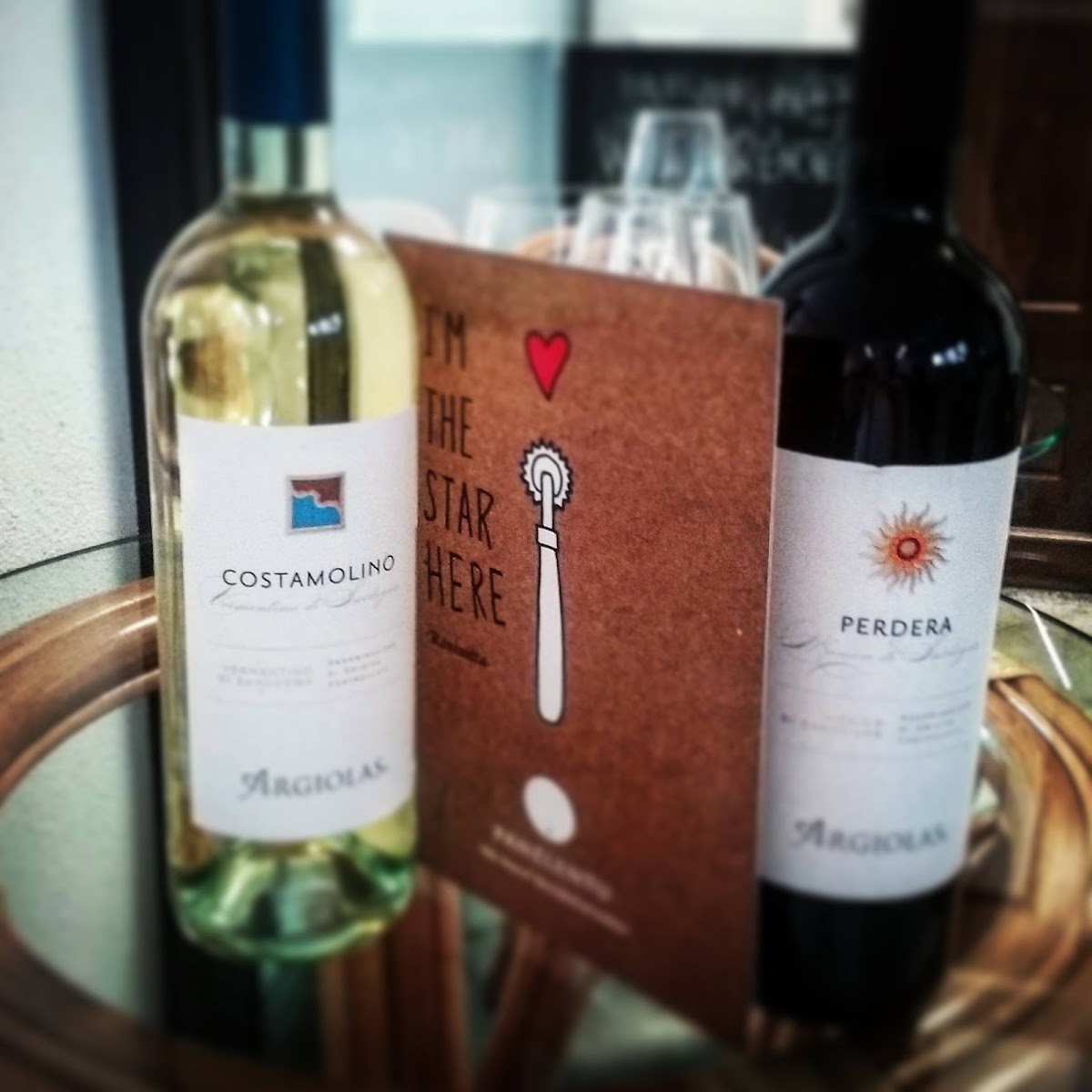
Vernaccia di Oristano DOCG, a white wine with intense golden color, reigns supreme in this land. Aged in oak barrels for at least three years, it develops complex notes of almond, hazelnut and honey with elegant dryness. Vernaccia Riserva DOCG, aged further, offers extraordinary complexity. Alongside, Vermentino di Sardegna DOC provides freshness to seaside aperitifs with floral and citrus aromas. Malvasia di Bosa DOC, sweet and amber, gracefully concludes convivial meals. Local producers like Contini maintain ancestral winemaking techniques.
When to Visit
Spring (March-May) offers ideal climate and coincides with Oristano's Sartiglia (February-March), an unforgettable equestrian spectacle where riders pierce stars at a gallop. Summer (June-August) gifts golden beaches and warm waters, though crowded. September-October reserves the charm of still-warm beaches and more conscious tourism. November celebrates the International Archaeology Film Festival in Cabras. Winter (December-February) sees pink flamingos flock to frozen lagoons. Each season reveals a different face of this enchanted territory.
Places Worth Visiting
**Tharros**: The ruins of this Phoenician and Roman city rise on the southern tip of Sinis, with blue sea lapping Doric columns and paleo-Christian mosaics. The San Giovanni tower guards this open-air museum where archaeology still breathes. **Cabras**: This fishing village lives on the lagoons and is home to DOP bottarga, visible in artisanal workshops where mullet roe transforms into liquid gold. **Is Arutas**: A beach of white quartz and colorful grains, almost unreal, where turquoise waters meet wild dunes and time stands still.
Practical tips
Rent a bicycle in Cabras to explore the lagoon ponds at sunset, when the sky assumes impossible hues and flamingos reflect in the waters.
Visit local Oristano wineries (like Contini) during harvest (September) to understand the secrets of Vernaccia DOCG from the source.
Book in advance an artisanal workshop in Cabras to learn how to create fresh bottarga from fishermen who have practiced this trade for generations.
Plan your trip
Personalised day-by-day itinerary in 5 minutes — restaurants, hotels, live events.
Plan now