Barbagia e Nuoro is a realm of fascinating contradictions: rugged mountains that touch the sky, villages nestled into rock where time stands still, and a culture so authentic it seems lifted from another era. Here, deepest Sardinia reveals its secrets through wild festivals, primitive cuisine, and oral traditions that have endured for millennia. Prepare your spirit for a journey that will reshape how you understand Italy.
The Landscape
Barbagia is a mountainous region in central Sardinia, characterised by granite peaks, deep gorges, and forests of holm oak and downy oak. The Gennargentu massif dominates the landscape, its steep crests reaching nearly 1,700 metres. Nuoro, the natural capital, sits on a plateau at 540 metres elevation, offering spectacular views of surrounding valleys. The Flumendosa and Cedrino rivers carve through this wild territory, creating landscapes of rare beauty. Primitive granite geology gives these landscapes an almost prehistoric character, where nature dominates unchallenged and human settlements remain modest and scattered.
History and Folklore
Barbagia has a singular history: for centuries it remained independent from invaders, resisting Romans, Aragonese and Piedmontese through geographical isolation and warrior determination. The name itself likely derives from Latin 'barbaria', referring to inhabitants who refused submission. Barbagiota culture is animated by ancestral rites: the Carnival of Mamoiada, with its 'Mamuthones' and 'Issohadores' masks, represents a village celebration of ritual possession and purification. Extreme hospitality (su connottu) and personal honour remain supreme values. Romantic bandits of the past, like Graziano Mesina, became local legends. The region's soundtrack is the sound of launeddas, an ancient Sardinian wind instrument.
What to Eat
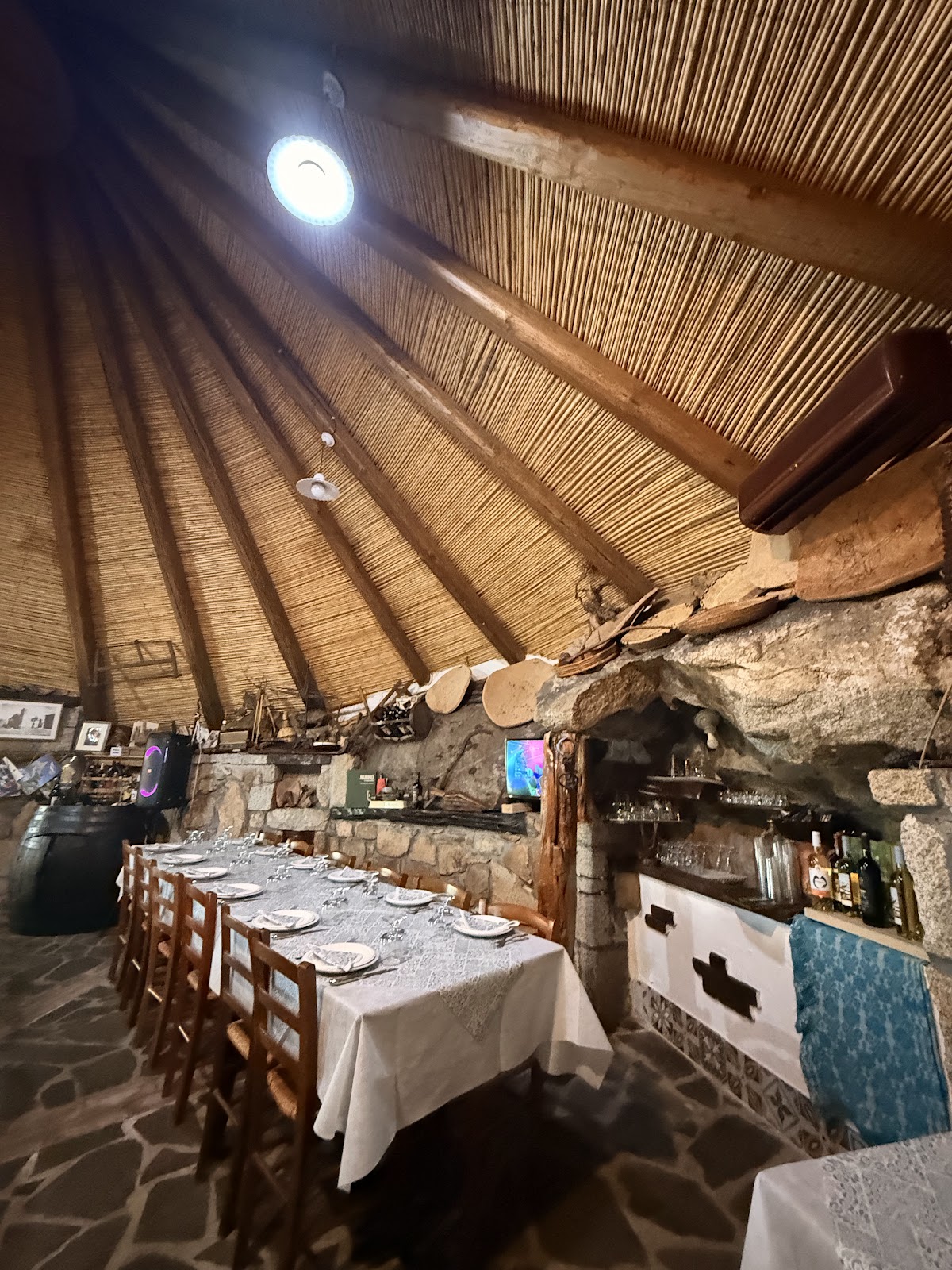
Barbagia's cuisine celebrates pastoral simplicity and authenticity. Pecorino Romano DOP, produced by local caseifici, is a cheese with decisive, mineral flavour that accompanies every meal. Pane carasau, thin and fragrant, is the daily companion. Culurgiones (ricotta and mint-filled ravioli) represent Barbagiota culinary art at its apex. Succulent grilled pork and goat meat, marinated in wild herbs. Malloreddus (ridged pasta with sausage ragù) wins over every palate. There is also traditional peanut butter and sebadas (cheese and honey sweets). Every dish tells of shepherds, mountains and traditions resisting modernity.
What to Drink
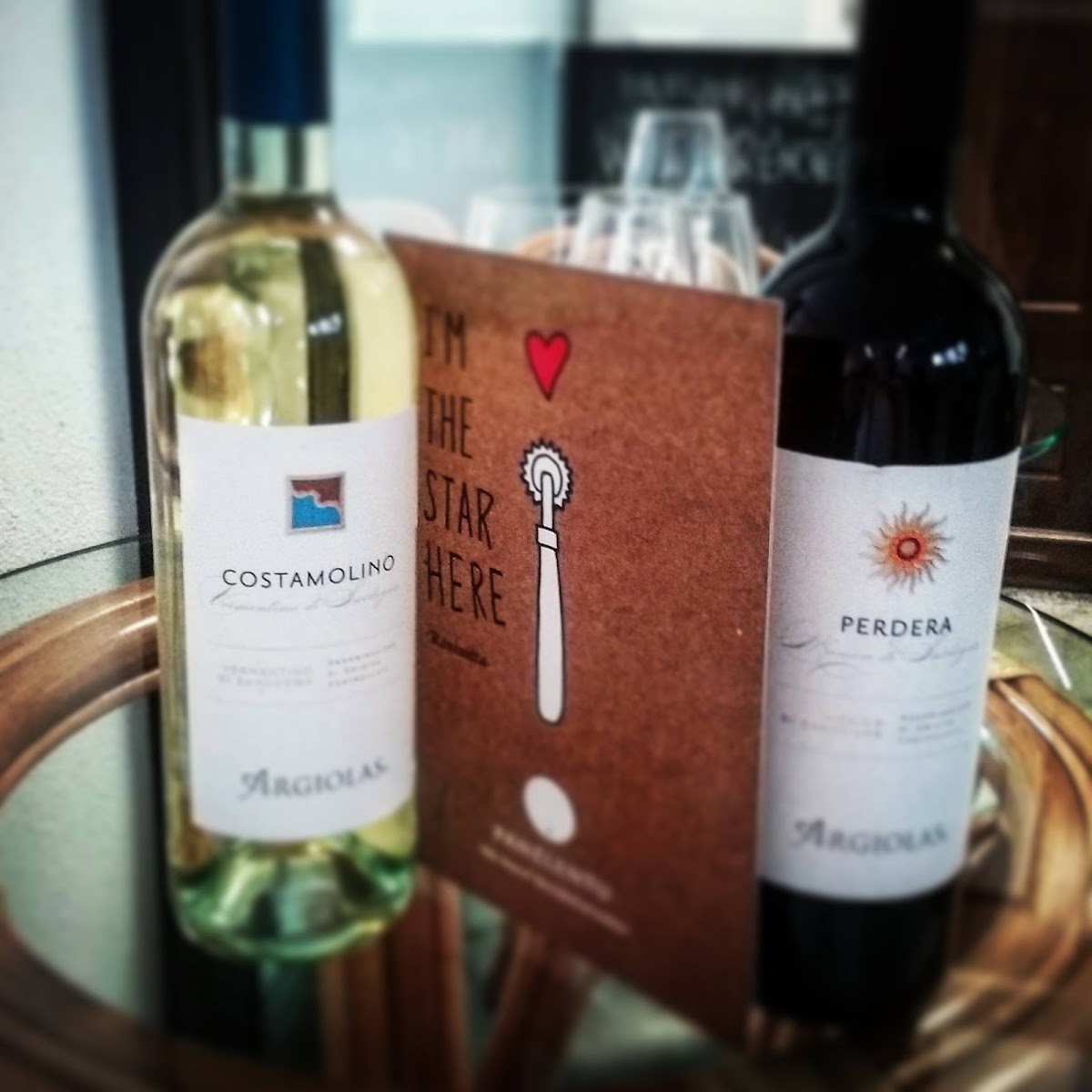
Cannonau di Sardegna DOCG is the region's noblest red wine, boasting robust character and aristocratic tannins. Produced from Grenache grapes, it gained worldwide fame as the wine of Barbagiota centenarians. Vermentino di Sardegna DOC offers mineral freshness perfect for light meals. For stronger spirits, Sardinian grappa and wild myrtle liqueur (traditional digestivo) represent the ideal evening conclusion. Filu 'e ferru, an artisanal distillate illegal for centuries, is still revered in remote villages. Cool mountain water completes the experience.
When to Visit
Mamoiada Carnival (February) is essential: ritual masks and wild procession attract visitors worldwide. Festa di San Costantino in Nuoro (May) celebrates the patron saint with processions and public feasts. Summer is hot and dry, ideal for mountain hikes (July-August). Autumn (September-October) offers temperate climate and golden landscapes. Cold, snowy winters transform the region into a fairytale setting. Spring is magical, with wildflowers covering mountain pastures.
Places Worth Visiting
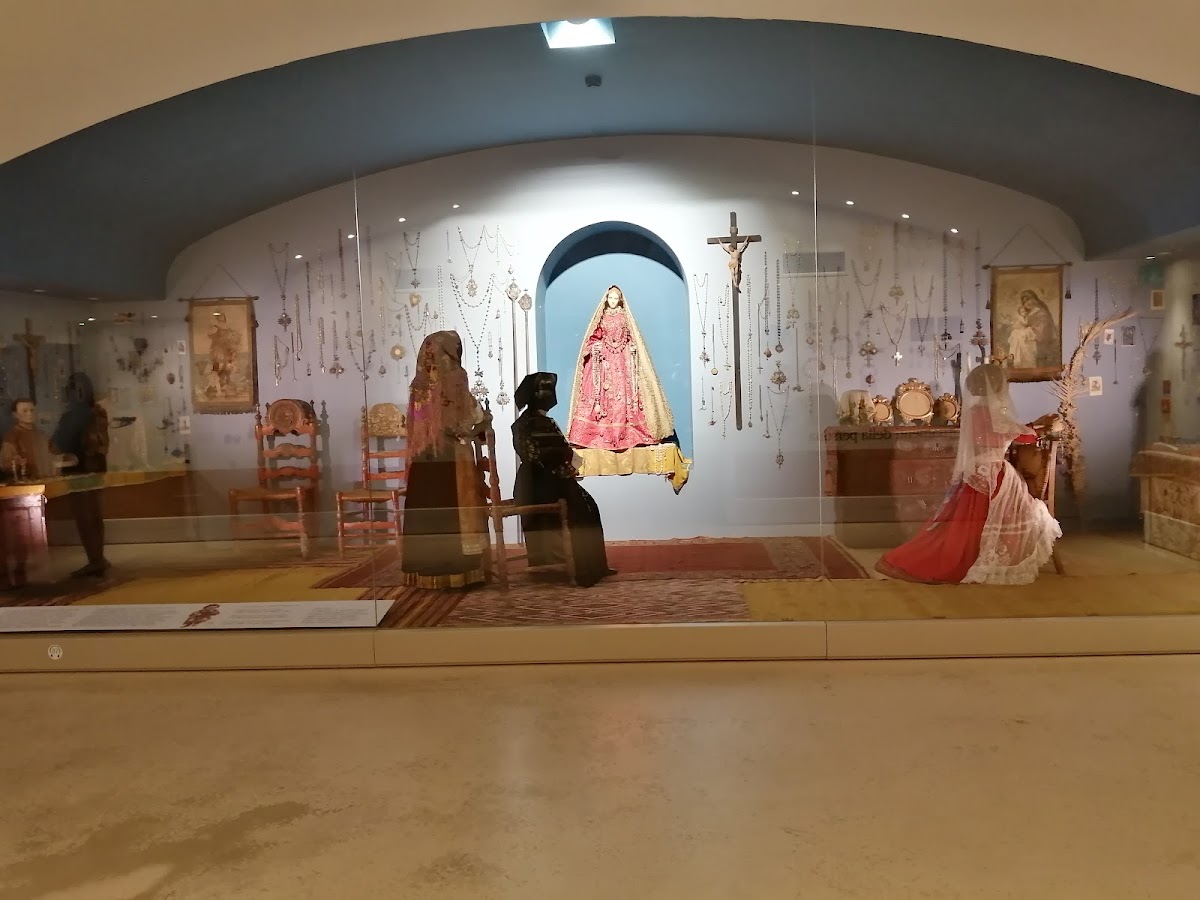
Mamoiada is Barbagia's most iconic village, celebrated for its primitive Carnival and Mamuthones masks: a ritual transfiguration of reality. Orgosolo, perched on mountains, is the living laboratory of Barbagiota culture, with murals telling of local resistance and oral traditions. Nuoro, the provincial capital, hosts the Museum of Sardinian Costume, where you can admire the complex traditional dress and territorial jewellery. Every corner reveals history and authenticity.
Practical tips
Visit smaller villages on weekdays to avoid crowds and experience authentic atmosphere. Squares come alive at sunset when elders emerge for conversation.
Taste cheeses directly from local caseifici, often run by families using ancestral methods. Homemade Pecorino Romano has an inimitable flavour.
Wear sturdy hiking boots: mountain trails are fascinating but demanding. Barbagia is not touristy, but authentic—and this demands respect.
Plan your trip
Personalised day-by-day itinerary in 5 minutes — restaurants, hotels, live events.
Plan now