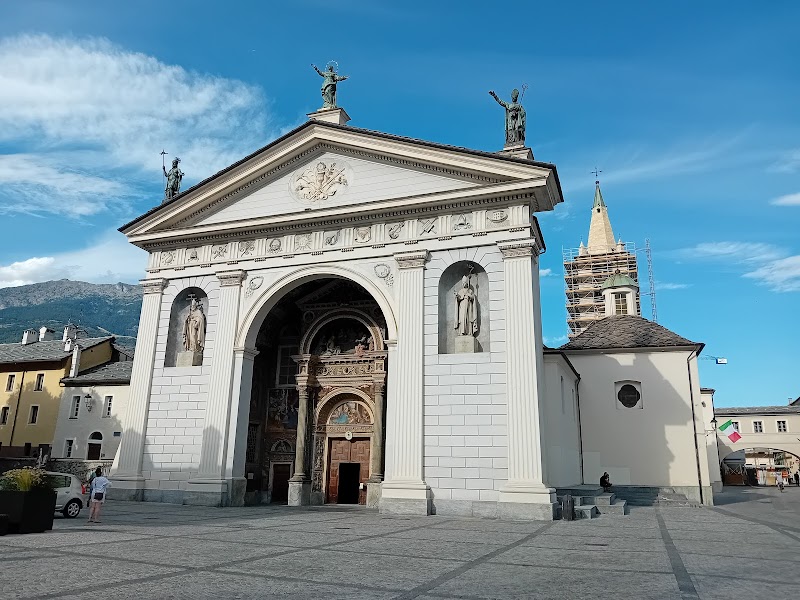
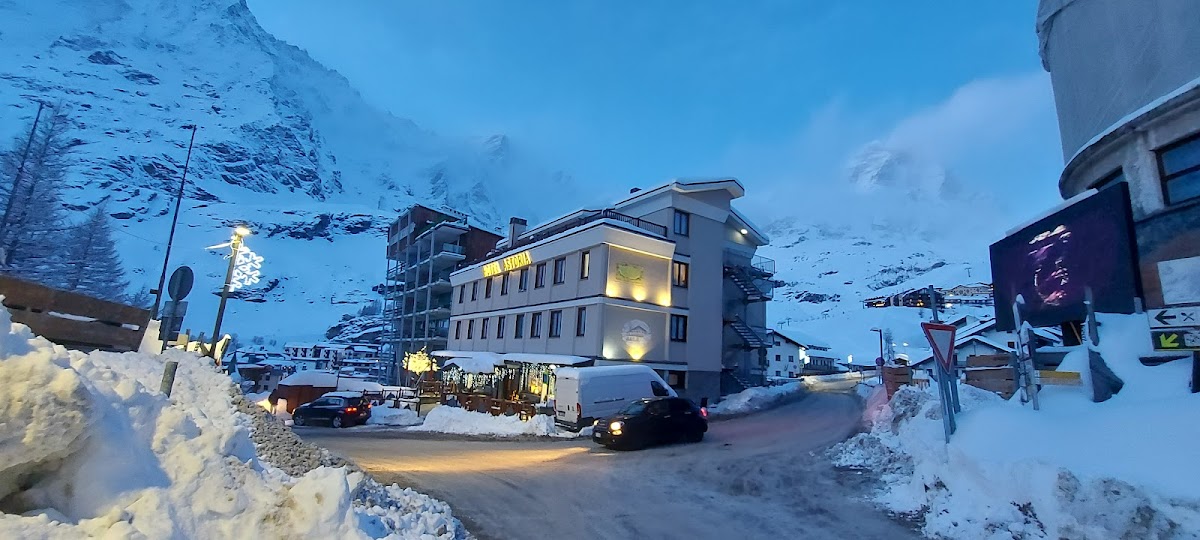
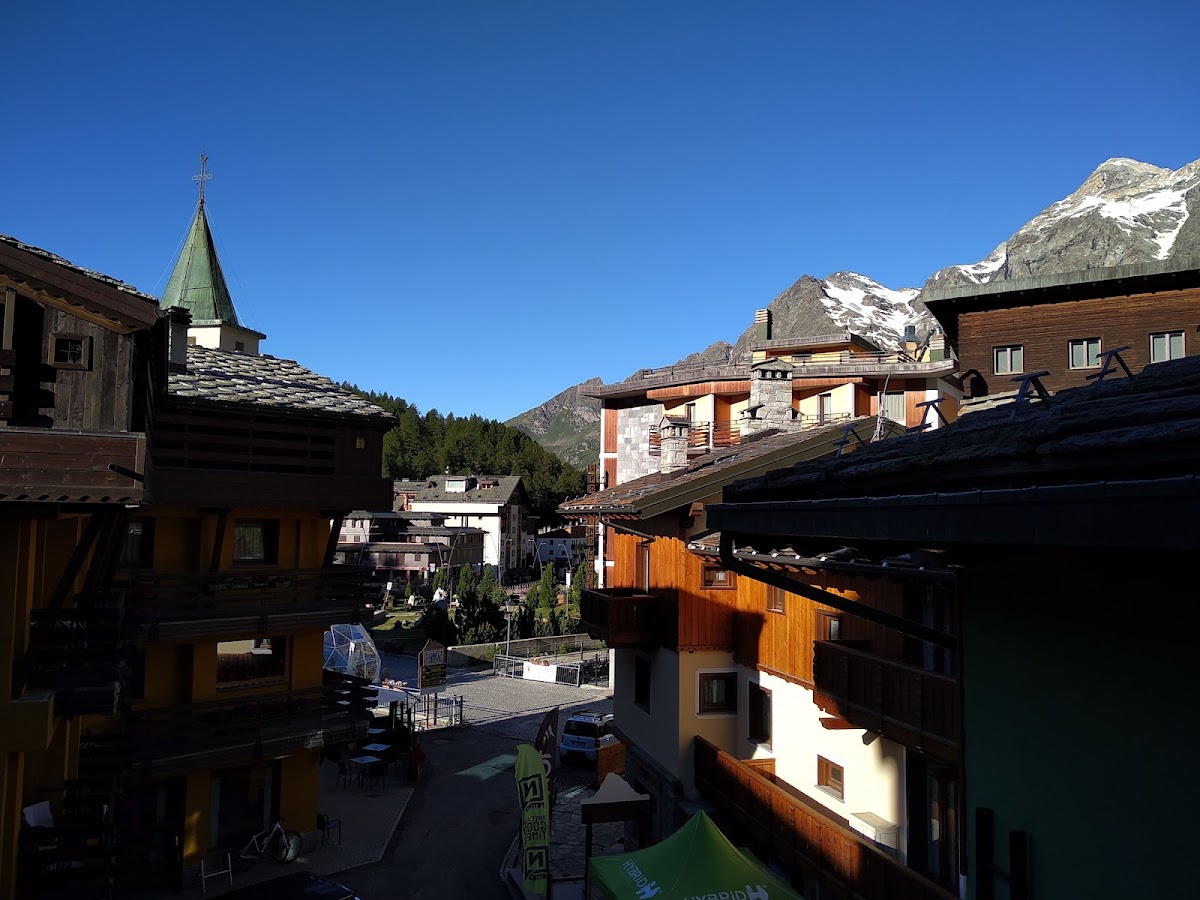
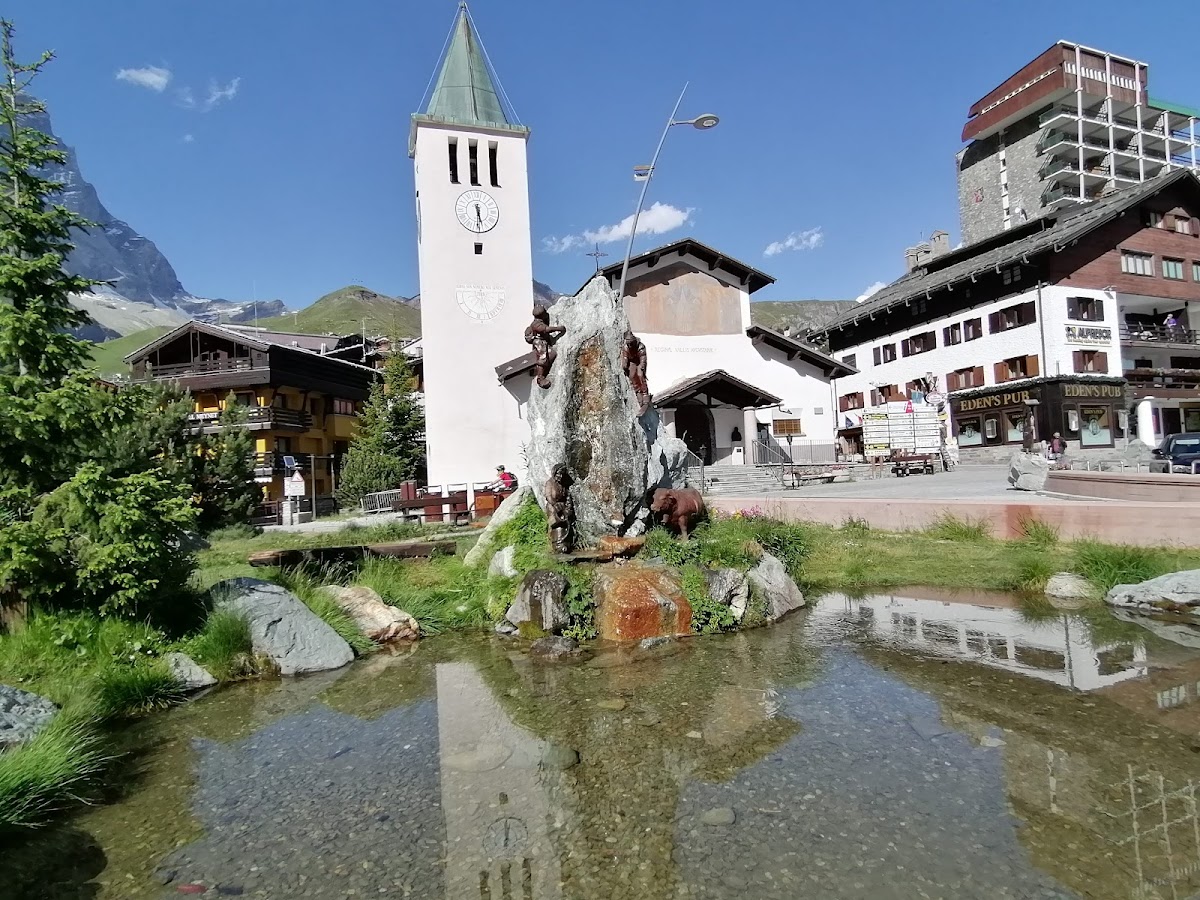
The Valle Centrale d'Aosta is the beating heart of the region, a territory where each curve of the Dora Baltea reveals towering castles, authentic villages and alpine landscapes of rare beauty. Here heroic vineyards cultivated on impossible terraces produce wines that tell stories of centuries of dedication, while culinary traditions remain as intact as the stones of medieval walls.
The Landscape
The Valle Centrale d'Aosta extends from Châtillon to the northern borders, embracing history-rich municipalities such as Saint-Vincent, Verrès and Issogne. The landscape is dominated by the peaks of Monte Rosa and Becca d'Aver, while the Dora Baltea winds through a valley cultivated with vineyards on vertiginous slopes. Small hamlets perched on surrounding mountains, like Antey-Saint-André and Chambave, maintain an intact character, with traditional architecture and exclusively pedestrian access. Altitude varies from 300 to 2000 metres, creating unique microclimates where both native grape varieties and rare alpine flora flourish.
History and Folklore
The Central Valley is a cradle of intertwined legends and historical reality. Verrès Castle, erected in 1390 by Ibleto di Challant, towers over the valley like a stone giant. According to local traditions, the valley was protected by mountain spirits called 'les Tsan', magical entities that inhabited the forests and guided wanderers. Issogne castle, with its Renaissance frescoes, tells stories of power and beauty. During the Middle Ages, the valley was a crossroads of trade between Italy and Europe, and Benedictine monks already cultivated the vineyards that today are world heritage. Nocturnal processions and celebrations of San Giovanni keep these traditions alive.
What to Eat
The cuisine of the Central Valley is a hymn to simplicity and excellence. Fontina DOP, a creamy cheese with characteristic holes, is the undisputed protagonist of traditional dishes like Fonduta Valdostana, where it melts with egg yolks and white truffle. Lardo di Arnad DOP, thinly sliced, melts on the tongue like butter. Essential are Mocetta DOP (aged chamois meat), Valle d'Aosta Speck DOP and Toma di Gressoney DOP. Corzetti, sweet rose-shaped biscuits, accompany afternoon coffee. In traditional restaurants, Carbonade alla Valdostana (beef stew) remains the dish that tells history and terroir.
What to Drink
The wines of Valle Centrale d'Aosta DOC are masterpieces of alpine terroir. Torrette, a full-bodied red with red fruit notes, ages in oak ennobling the tannins. Enfer d'Arvier, a mineral red wine with complex bouquet, grows on south-facing terraces. Chambave Moscato Passito, sweet and aromatic, has been appreciated by kings and popes for centuries. Nus Pinot Nero represents Aosta Valley elegance. For those seeking freshness, Blanc de Morgex et de la Salle, cultivated at 1200 metres, is Italy's highest white wine with mountain aromas. Grappa and Génépi complete the range of local distillations.
When to Visit
The Central Valley offers different emotions in every season. May brings the Foire de Saint-Ours (February), a century-old craft market in Aosta with traditional handicrafts. Summer (June-August) welcomes the Folk Festival of Mountain Regions with traditional dances and costumes. September is the vintage month, when the scent of grapes fills the vineyard hamlets. October offers autumn colours and the Potato Festival in Saint-Vincent. Winter transforms the valley into a fairytale setting, with Christmas celebrations in Verrès and medieval markets.
Places Worth Visiting
Issogne Castle: Renaissance fortress with monumental inner courtyard, frescoes of exceptional beauty and spectacular Gothic fountain reflecting centuries of Savoyard power. Verrès: a massive castle dominates the intact medieval village, ideal for walks through stone-paved streets and craft workshops. Saint-Vincent: a belle époque thermal resort with healing springs, surrounded by terraced vineyards where Pinot Noir dances between clouds. Each deserves hours of mindful exploration.
Practical tips
Rent a car with manual transmission: mountain roads toward heroic vineyards require total control, and the scenery is unforgettable.
Book winery visits at least one week ahead. Local producers welcome guests generously but appreciate the courtesy of advance booking.
Visit pedestrian hamlets early in the morning: Antey-Saint-André and Gressoney reveal their full magic at sunset, when alpine light becomes liquid gold.
Plan your trip
Personalised day-by-day itinerary in 5 minutes — restaurants, hotels, live events.
Plan now