Monterosa is the Alps' most enchanting massif, a triple giant of ice rising to 4,634 metres with three crown peaks: Punta Gnifetti, Punta Parrot and Punta Zubbröggen. Here, among the alpine villages of Alagna, Gressoney-Saint-Jean and Macugnaga, you breathe a primitive air where modernity has little place, and every trail tells centuries of coexistence between humans and mountains. It's paradise for ski mountaineers, hikers and seekers of authenticity.

The Landscape
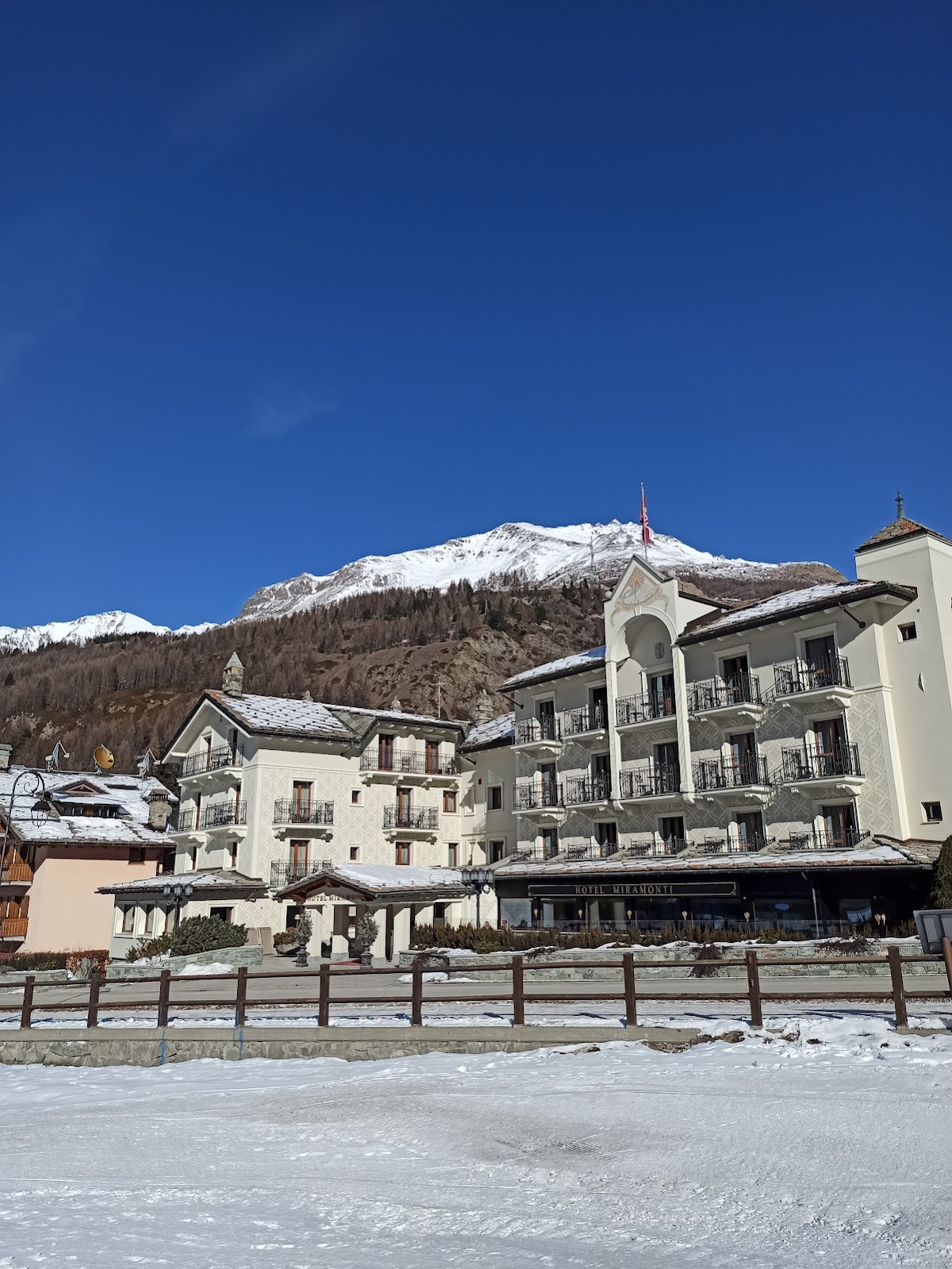
Monterosa rises majestically at the border between the Aosta Valley and Piedmont, forming a glacial massif of extraordinary beauty. The three main peaks create a natural amphitheatre surrounded by deep glacial valleys: the Valgrande to the north, the Valsesia to the east. Monterosa's glaciers cover over 60 square kilometres, making this Italy's second-largest glacier system after Gran Paradiso. Valley villages—Alagna Valsesia, Gressoney-Saint-Jean, Macugnaga—cling to mid-high elevations, constantly dominated by the white horizon of the peaks. Alpine flora thrives in subalpine pastures, where herds of long-horned goats and cattle still graze today.

History and Folklore
Monterosa's history is steeped in alpine myth and human resilience. The Walser, a Swiss-origin people, colonized these valleys in the 13th century, bringing the Titsch language and a unique culture still visible in Gressoney's timber and stone buildings. Local legend speaks of the Mountain Fairy, a luminous figure appearing on full-moon nights to guide lost travellers. In Walser folklore, mountain spirits—called Fumatsch—protect shepherds from danger. The first documented ascent of Punta Gnifetti dates to 1842. Alpine refuges later became symbols of mountain solidarity, welcoming explorers and dreamers.
What to Eat
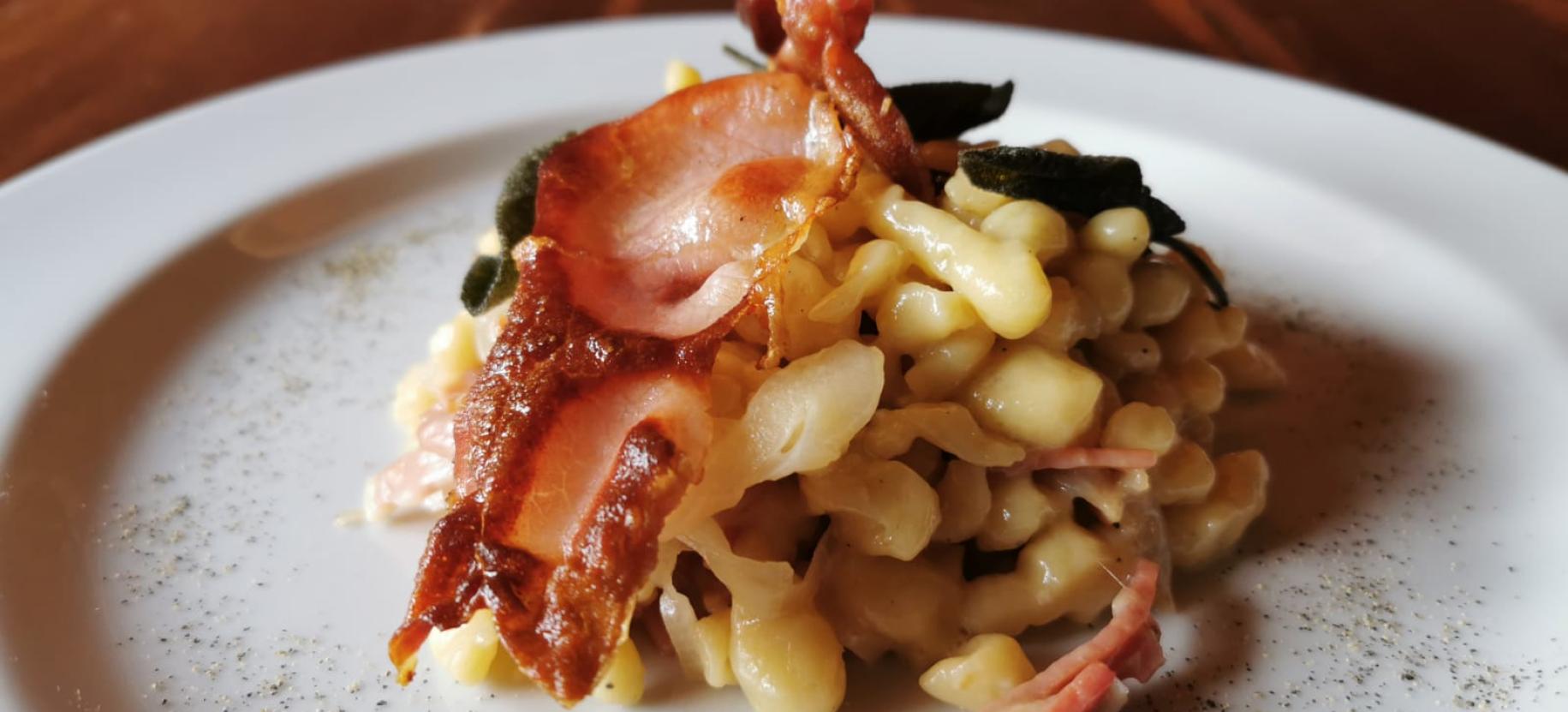
In this alpine territory, cuisine celebrates local produce. Toma di Lanzo DOP, a creamy cheese from Monte Rosa pastures, is the undisputed star of tables. Smoked Raclette Vallese, cured over larch wood, melts into rich barley and cabbage soups. Creamed polenta with melted butter and grated cheese warms cold afternoons. Walser Biscuits, crispy butter-and-honey cookies, accompany alpine herb teas. In refuges you'll find goat stews with potatoes and thick barley soup—dishes breathing mountain labour.
What to Drink
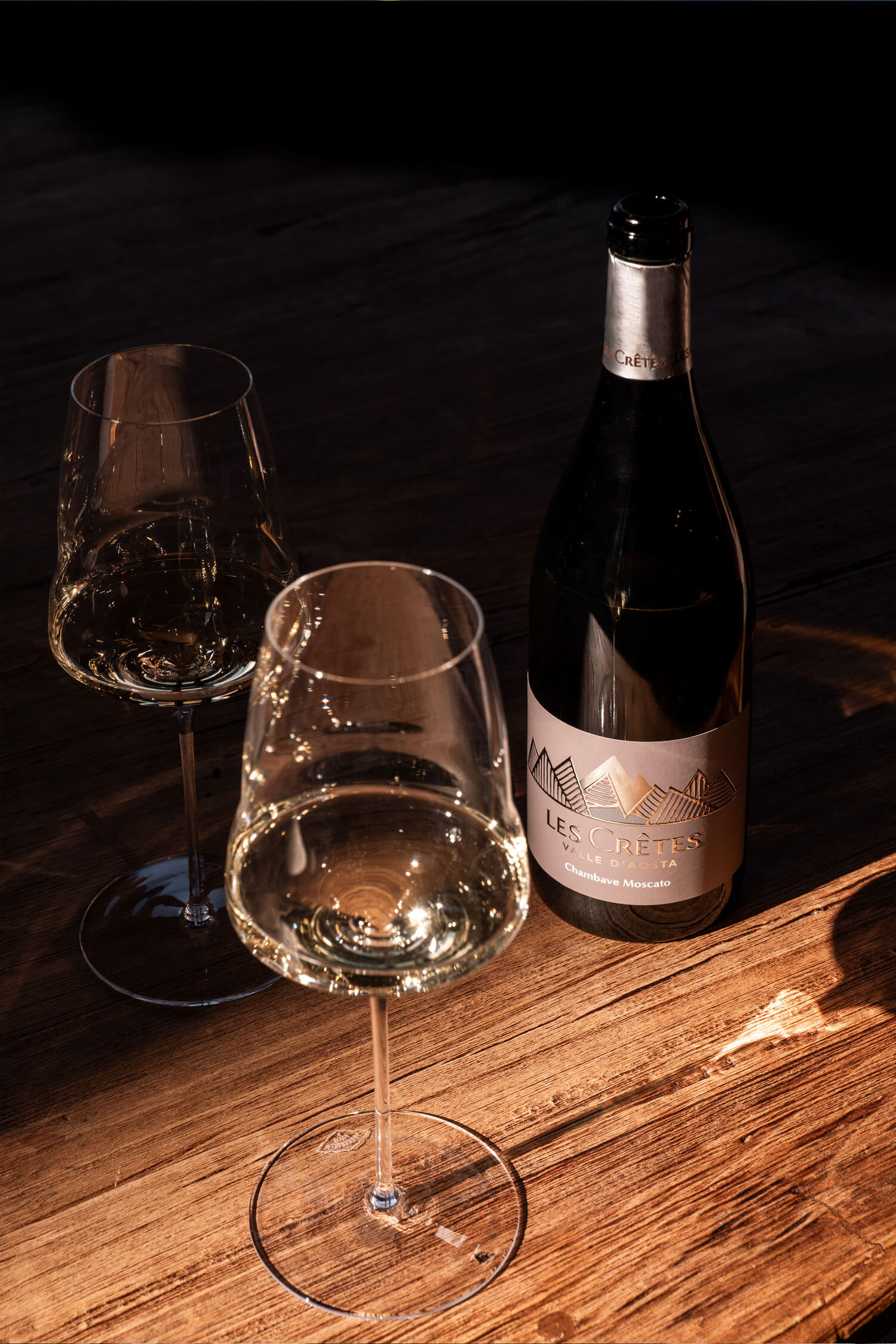
The Aosta Valley produces underrated wine excellence. Chambave Muscat DOP, a sweet and aromatic moscato from Monterosa's slopes, is perfect after dinner in refuges. Enfer Arnier DOC, a dry mountain red wine with elegant body, accompanies aged cheeses. Torrette DOC, Nebbiolo from vineyards up to 700 metres high, possesses clean tannins and mineral complexity. Don't miss local grappas: Nebbiolo Grappa from Gressoney-Saint-Jean's distillery is superb. Génépi, an alpine herb liqueur, is the perfect digestif.

When to Visit
Monterosa reveals different faces by season. Summer (June-September) is ideal for trekking and mountaineering, with the Monterosa Ski Marathon (August) attracting athletes from across Europe. Autumn (September-October) paints valleys in golds and reds, perfect for peaceful hiking. Winter (December-March) transforms the area into a ski touring paradise, with runs descending to Alagna and Macugnaga. The Festa di San Giorgio in Alagna (April) celebrates the patron saint with traditional Walser processions. Spring is wetter but offers nature's awakening.

Places Worth Visiting
Alagna Valsesia deserves a visit for its Walser ethnographic museum and dark-wood houses of inestimable value. Rifugio Pastore, at 2,720 metres, offers surreal views of the three peaks and authentic hospitality. Gressoney-Saint-Jean, the heart of Walser culture, preserves traditions in historic buildings and the Church of Santa Maria Assunta with its grey-blue bell tower. Trails to Colle di Naso d'Orco offer unforgettable glacier views.
Practical tips
Book your refuge well in advance during high summer season; access is limited and availability fills quickly.
Always bring a waterproof jacket even in summer; mountain weather changes suddenly and snow can fall even in August.
Visit Alagna's ethnographic museum to understand Walser culture before exploring villages; it greatly enriches your experience.
Plan your trip
Personalised day-by-day itinerary in 5 minutes — restaurants, hotels, live events.
Plan now