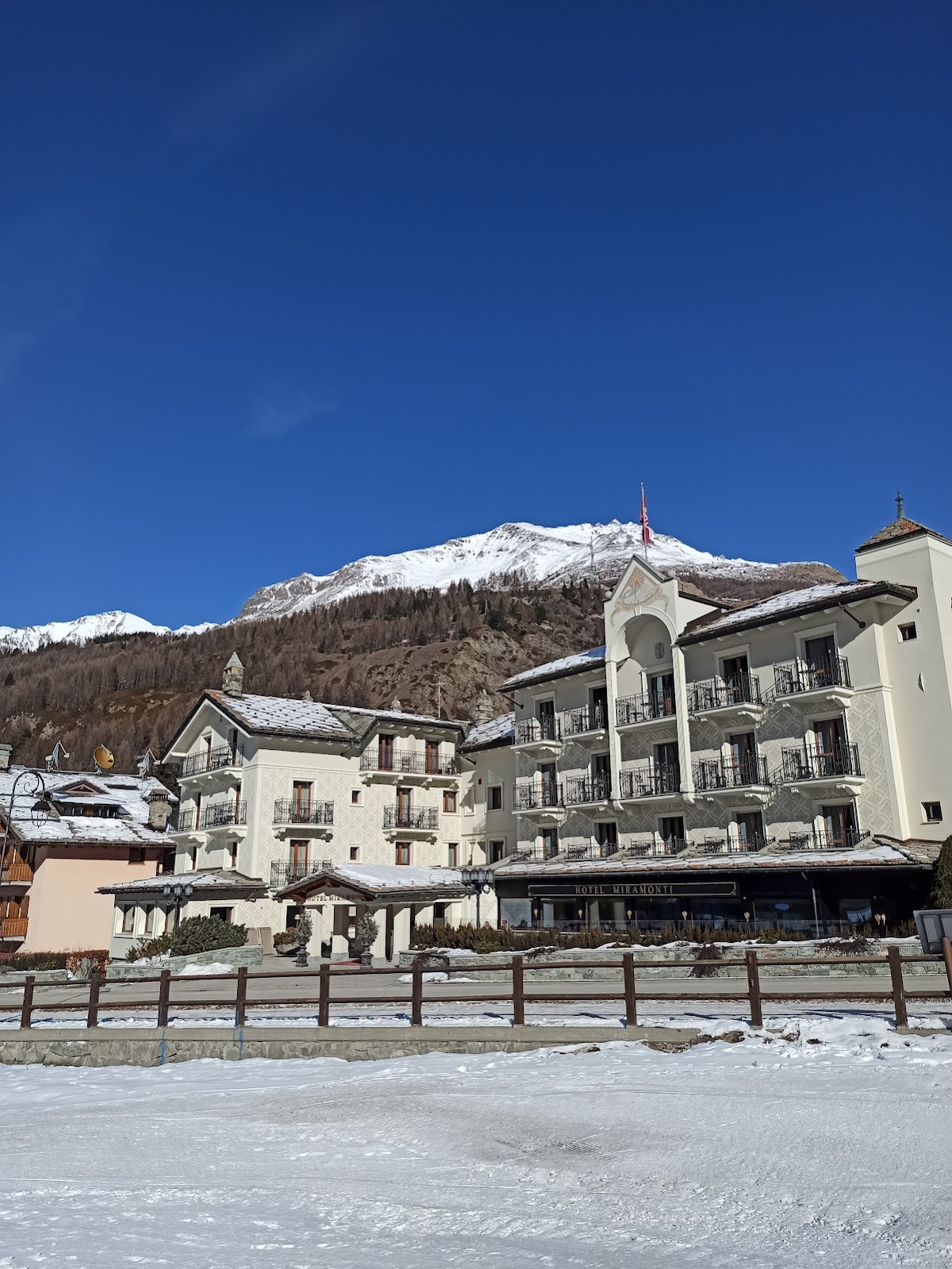
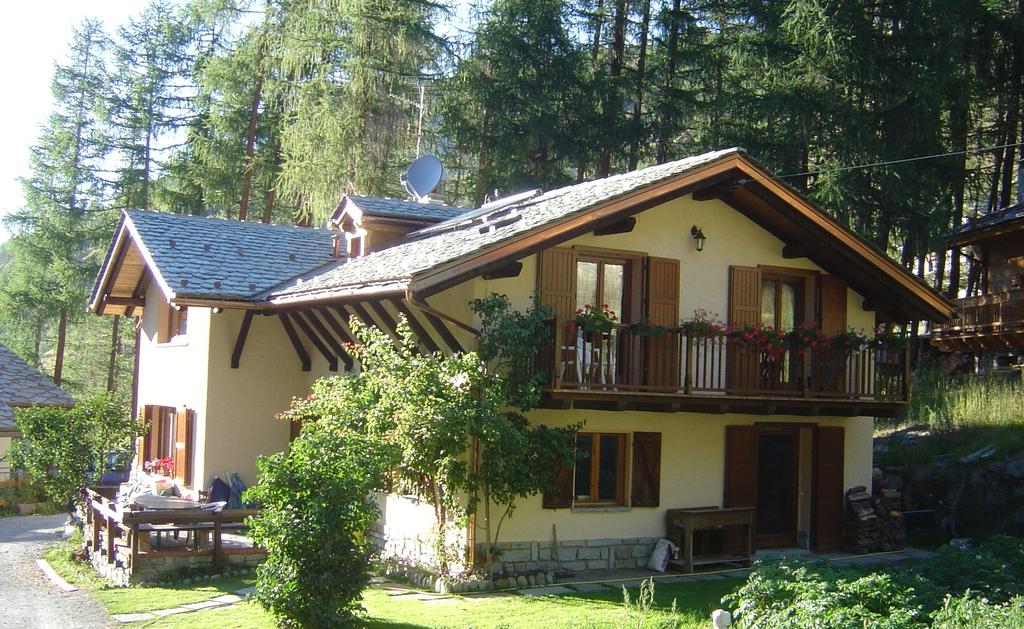
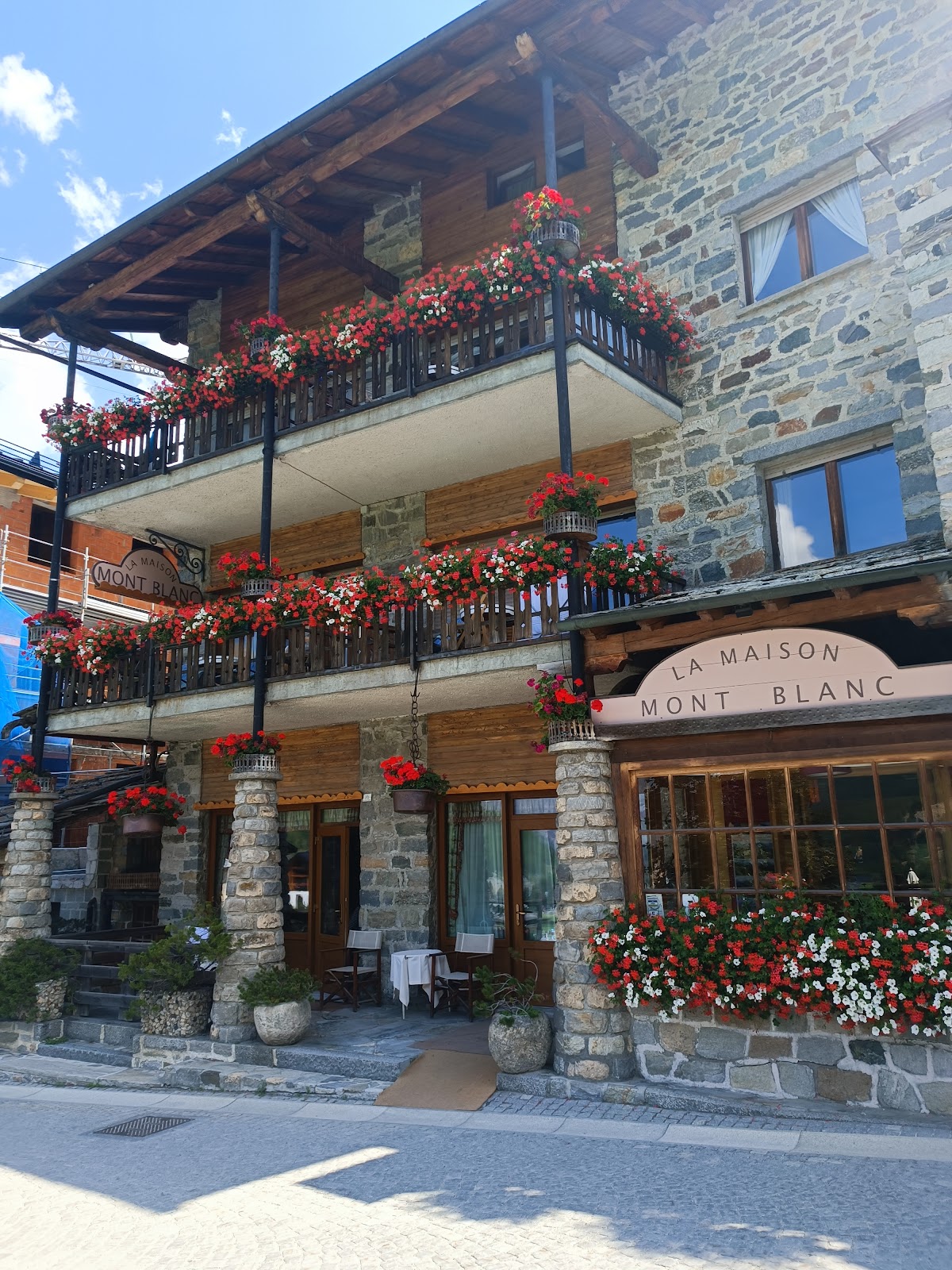
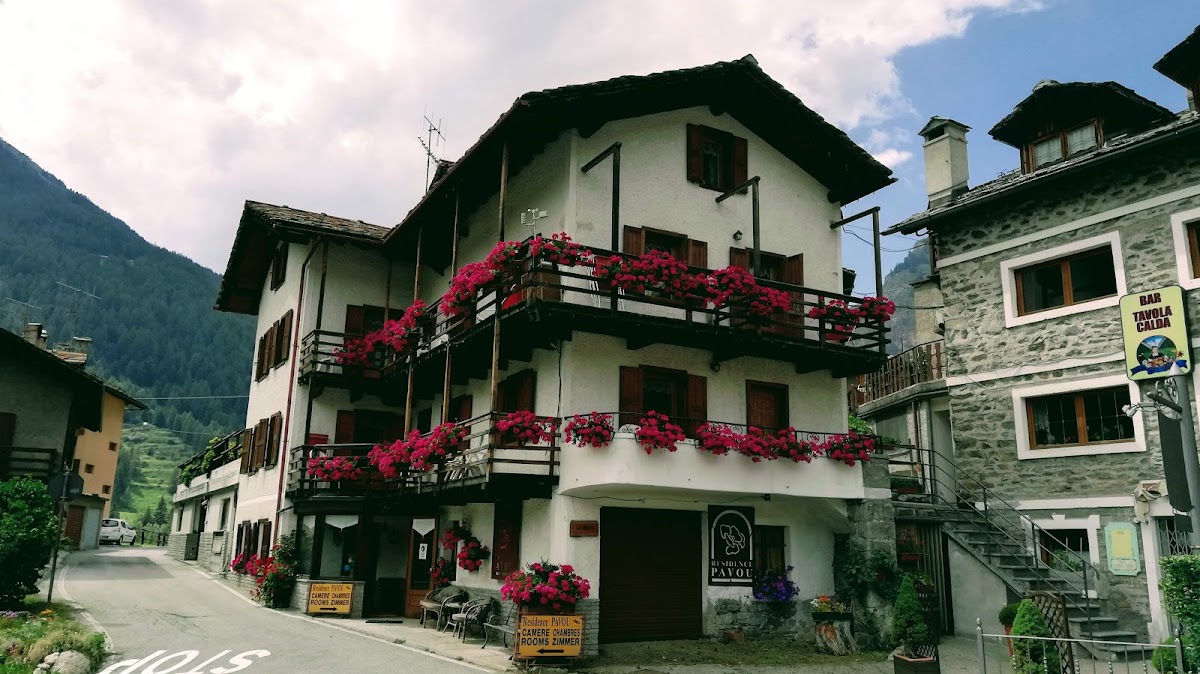
Gran Paradiso reigns supreme at 4,061 metres in Valle d'Aosta, Italy's first national park established in 1922, Italy's first national park — the territory was previously a royal hunting reserve since 1856. Val di Cogne unfolds at its base like a secret garden: endless alpine meadows, crystal waterfalls, and stone refuges frozen in time. Here, chamois and golden eagles roam free as guardians of perfect harmony between humanity and nature.

The Landscape
The Cogne Valley extends 40 kilometres into the heart of Gran Paradiso National Park, the alpine massif dominating Valle d'Aosta. The landscape is a study in contrast: granite peaks brush 4,000 metres while verdant valley floors host hamlets built in grey local stone. Torrential rivers fed by Grivola and Gran Paradiso glaciers have carved spectacular gorges and waterfalls reaching 150 metres. Alpine meadows, blooming June to September, form natural carpets where transhumance remains practised. The absence of roads in the main valley preserves rare silence, broken only by alpine birdsong.
History and Folklore
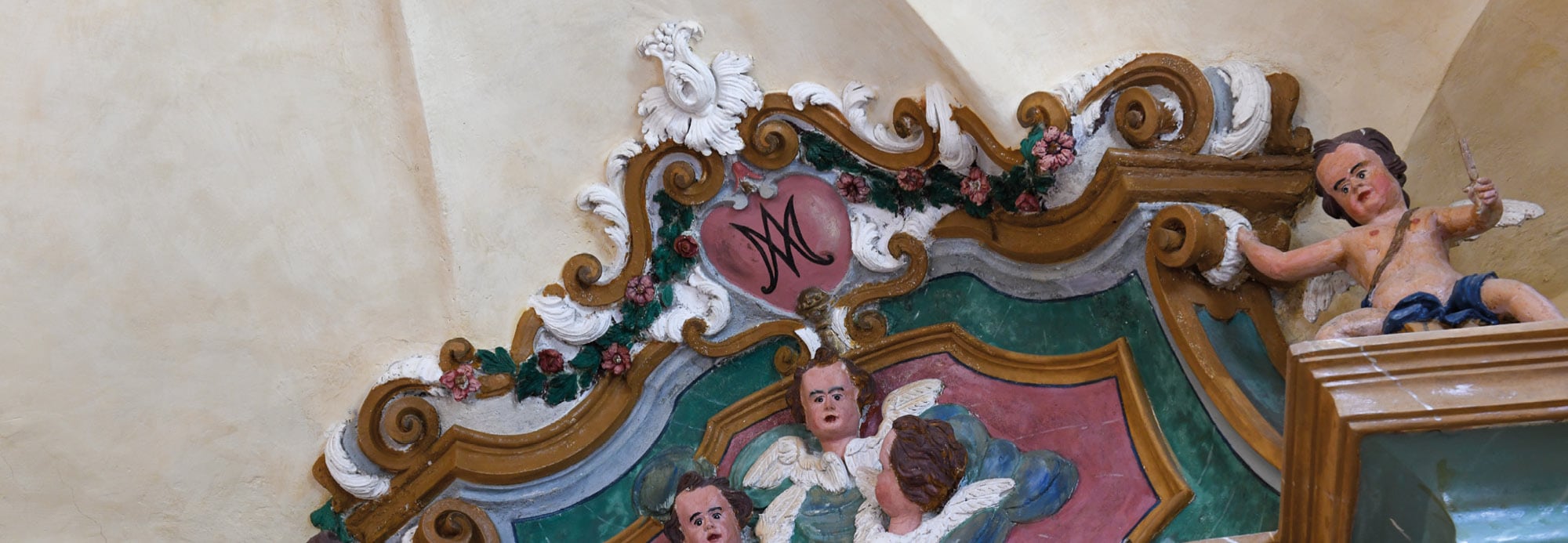
Cogne Valley nurtured generations of iron miners: from mediaeval times until the 1960s, the Tache and other mines represented local wealth. Legend tells of mountain fairies, the *vivande*, protecting miners from avalanches. Local folklore groups still wear traditional costumes at *Étrivales* (dialect gatherings) where ancient ballads in Valdostan patois echo Celtic traditions. Saint Grato's cult, protector from plague, peaks in August's patronal feast. Walser communities, settling in the 14th-15th centuries, left linguistic and architectural traces visible in mountain villages today.
What to Eat
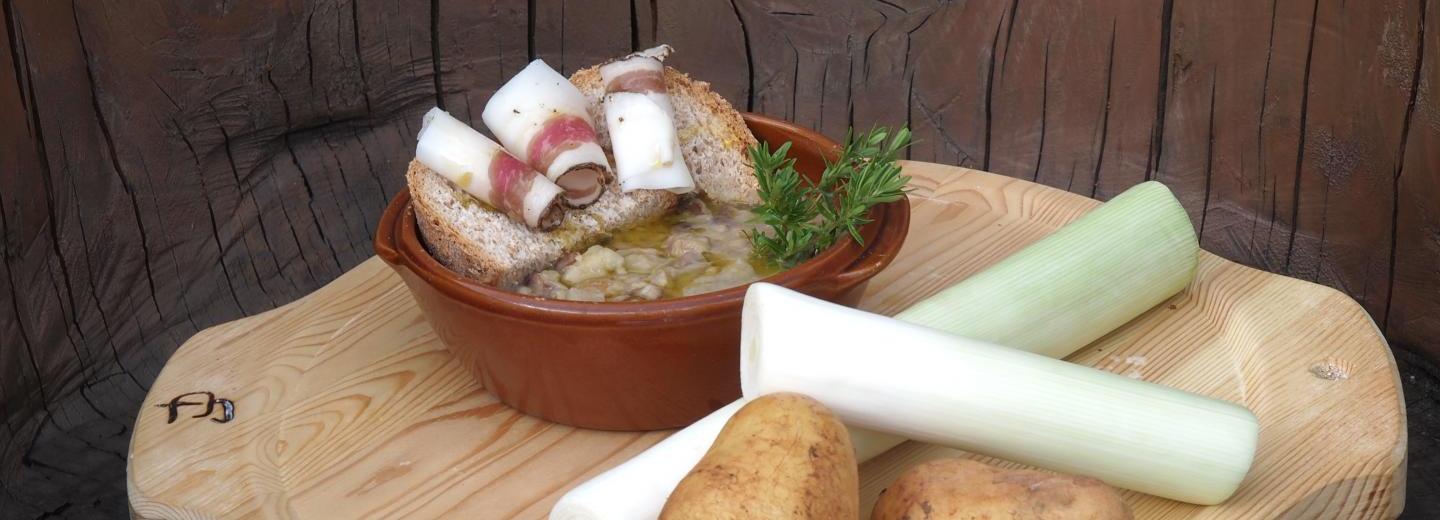
Cogne's cuisine celebrates the alpine landscape as both livelihood and identity. Fontina d'Aosta DOP, creamy cheese with hazelnut notes, dominates every table: melted in fondue or aged and sliced. Mocetta DOP, smoked and aged chamois shoulder, embodies alpine hunting transformed into delicacy. Valdostan *pan d'épices*, bread of orange and spices, echoes medieval Flemish trade. *Costoletti alla cognina*, alpine goat meat, is savoured in rifugios along valley trails. *Oulenta*, polenta mixed with butter and cheese, encapsulates centuries of alpine frugality.
What to Drink
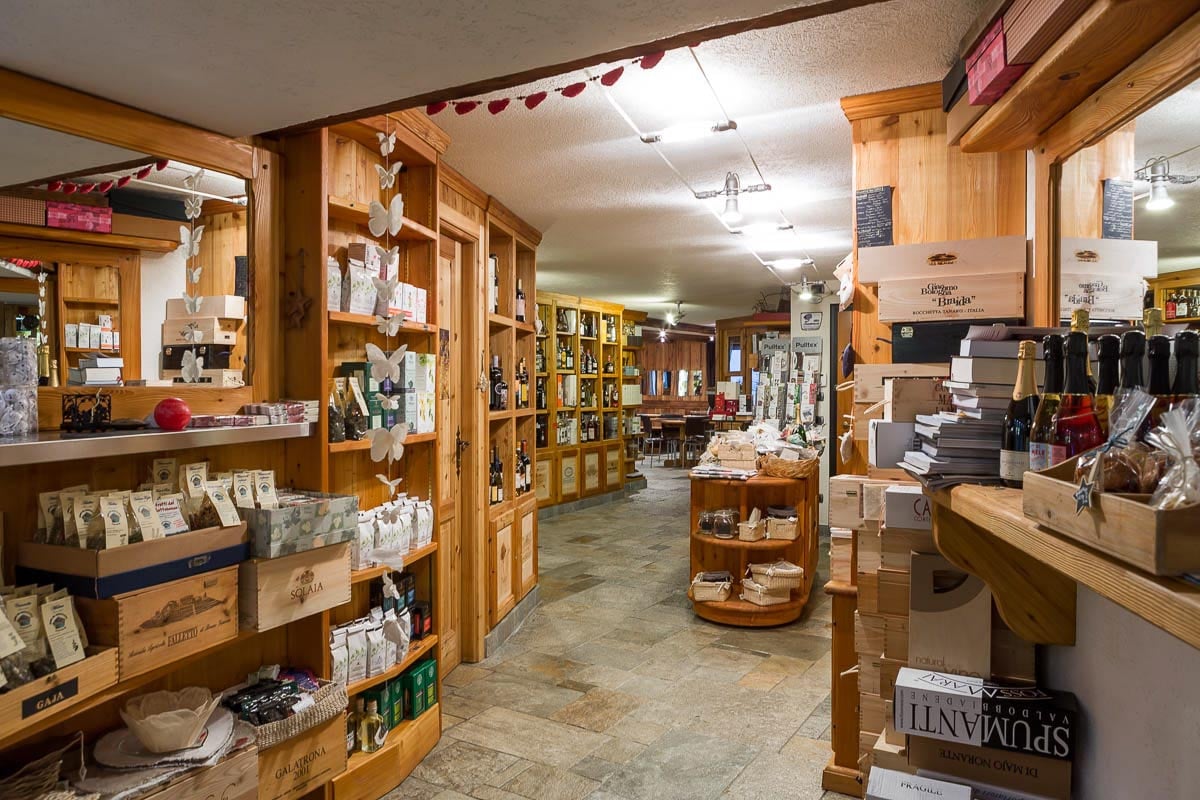
Valle d'Aosta produces mountain DOC wines with saline, mineral character. Chambave Muscat and Chambave Rosso DOC express the delicate slopes of Valdostan vineyards. Torrette DOC, dry red with tapered body, accompanies fondue in rifugios. Génépy, green alpine herb liqueur at 40°, represents the traditional digestif after hearty meals. *Caffè à la valdostana*, coffee stretched with grappa and spices, warms rifugio evenings. Local craft beer *Paesana d'Aosta* continues the mountain drinker's tradition.

When to Visit
Summer (June-September) is ideal: trails are snow-free, glacier-fed waterfalls rush powerfully, and meadows explode with alpine flowers. The *Feste di Cogne* in July animate the village with local music and crafts. September offers crystalline skies and fewer crowds. Spring (May) enables hikes in lower sectors as glaciers begin retreating. Winter and autumn demand specialised gear but offer sublime solitude. The *Alpeggio in Cogne* in August celebrates livestock return from alpine pastures with traditional costume processions.

Places Worth Visiting
**Cascata di Lillaz**: Kilometres from Cogne, this 150-metre waterfall freezes completely in winter, creating an ice climb with crampons. Crystalline ice reflects alpine light in an otherworldly spectacle. **Lago di Loie**: At 2,500 metres, ringed by granite peaks, the lake remains frozen until June, offering one of Gran Paradiso's purest vistas. Rugged trails reward with rare alpine flora and chamois sightings. **Rifugio Vittorio Emanuele II**: Historic rifugio at 2,732 metres, departure point for Gran Paradiso ascent itself, offers authentic alpine hospitality and nights beneath rare stars.
Practical tips
Book rifugios well ahead during summer: capacity is limited and weekends fill rapidly. Many demand minimum three-day stays in peak season.
Always pack layered clothing: alpine weather changes in minutes. Even in August, nights above 2,500 metres drop below freezing.
The valley is car-accessible only from Aosta: no railway exists. In summer, public car parks fill by 10 a.m. Depart at dawn or use shuttle services from lower towns.
Plan your trip
Personalised day-by-day itinerary in 5 minutes — restaurants, hotels, live events.
Plan now