The Appennino Emiliano is the mountainous heart of Emilia-Romagna, a land where rounded peaks fade into blue horizons and medieval villages seem to still echo with the voices of pilgrims. Here, amid chestnut and beech forests, Italy's most celebrated DOP products are born: Parmigiano Reggiano DOP and Prosciutto di Parma DOP transform from simple foods into living testimonies of knowledge dating to the Middle Ages. Quiet valleys and paths winding through them invite you to slow down, to savor, to understand that true luxury is time spent understanding.
The Landscape
The Appennino Emiliano extends for over 200 kilometers along the border between Emilia-Romagna and Tuscany, forming a chain of mountains with a gentle yet defined profile. The highest peaks reach 2,000 meters, such as Monte Cimone and Pizzo d'Uccello. The territory is characterized by deep valleys where crystal-clear rivers flow—the Reno, Savio, and Marecchia—nourishing lush pastures and ancient forests. The region's geology, rich in sandstone and marl, creates beautifully stratified landscapes where light changes minute by minute. This geographic conformation made the area a historic transit route between North and South Italy, determining its cultural and culinary wealth.
History and Folklore
These mountains have hosted Via Francigena pilgrims since the 10th century, Benedictine monks who founded abbeys and cleared fertile land. Local legends speak of romantic brigands protecting wayfarers and benevolent witches who healed with herbs gathered on hidden slopes. Medieval castles like Rocchetta Mattei dominate valleys with their impossible architecture, while villages like Tredozio and Portico di Romagna still hold the charm of a past not yet fully tamed. Oral tradition passes down stories of lupetti—werewolves—and madonnas appearing to shepherds during storms. Every stone of these Apennines speaks of human resilience, survival, and wonder.
What to Eat
Prosciutto di Parma DOP is the most precious gift of these mountains: pigs fed on whey and cereals, aged among mountain breezes for up to 36 months. Parmigiano Reggiano DOP, created in dairies of Reggio Emilia and Parma, is born from milk of cows grazing in Apennine meadows—each wheel contains mountain flavor. Equally important is Culatello di Zibello DOP, the queen of cured meats, with delicate, almost-smoked texture. Anolini alla Parmigiana—small ravioli filled with meat and breadcrumbs—are dunked in hot broth during winter. Roasted chestnuts, soft cheeses, and dark honey complete the mountain table.
What to Drink
The wines of Appennino Emiliano reflect the gently sloped terrace of the territory. Albana di Romagna DOCG is the region's most important white wine, elegant and complex, capable of magnificent aging. Sangiovese di Romagna DOC offers soft tannins and vibrant red fruit. For sparkling wine lovers, Lambrusco di Modena DOP represents the spontaneous joy of the mountains. Don't forget Pignoletto DOC from Bologna, a dry and mineral white, perfect with local cheeses. Among spirits, Nocino—liqueur made from green walnuts harvested in June—is traditional medicine and digestif.
When to Visit
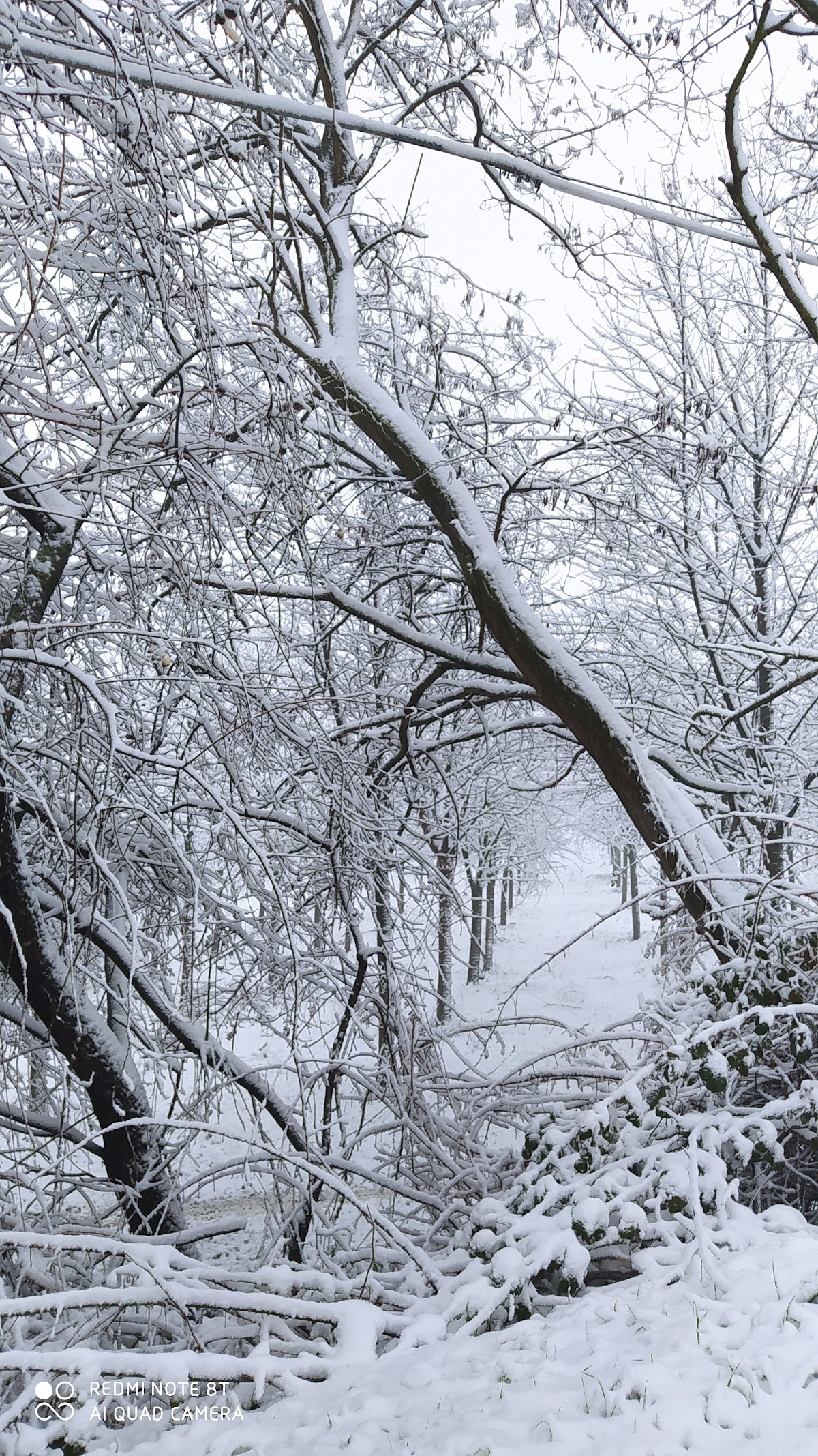
Spring (April-May) paints valleys brilliant green and perfumes the air with wisteria; Festa di San Giorgio in Portico di Romagna (April 23rd) celebrates the patron saint with medieval costume processions. Autumn (September-October) is sublime: forests turn gold, chestnuts ripen, and Festa del Tartufo Bianco di Sant'Agata Feltria (November) attracts truffle hunters and epicures from across Italy. Winter transforms peaks into a realm of silence; summer, though splendid, attracts tourist crowds. We recommend autumn for the balance between natural beauty and intimate atmosphere.
Places Worth Visiting
Rocchetta Mattei (Grizzana Morandi) is a fantastical castle built in 1850 by eccentric Count Giovanni Medici: neo-medieval architecture that seems born from romantic dreams, perched on rock spurs. Portico di Romagna remains one of the most authentic villages, with Renaissance loggias and silent piazzas where time barely moves. Finally, the Santuario della Madonna dell'Apparizione at Montecoronaro offers panoramas stretching to the Adriatic on clear days; a place of quiet pilgrimage where mountain dwellers still leave votive offerings.
Practical tips
Visit a Parmigiano Reggiano dairy during production (year-round): you can witness milk transforming into golden treasure and understand the true value of DOP certification.
Rent a car and slowly drive SR71 through the valleys: each turn reveals new panoramas and small refuges serving traditional dishes.
Bring a paper map: cell signals are weak and GPS navigation can be unreliable on winding mountain roads.
Plan your trip
Personalised day-by-day itinerary in 5 minutes — restaurants, hotels, live events.
Plan now