Modena and Bologna are not merely destinations: they are the gastronomic and cultural manifesto of northern Italy. In 48 hours, you will traverse centuries of Estense history through Modena's squares—from the UNESCO-listed Cathedral to artisanal workshops—before immersing yourself in medieval Bologna, where the Two Towers rise above the very doorways of the region's most authentic trattorias. This guide leads you to places where cuisine is not performance but identity: from independent kitchens like Garum to neighborhood trattorias where tortellini are still folded by hand. You'll discover how Modena's balsamic vinegar is not a condiment but a philosophy, and how Bologna preserves within its arcades Italy's densest culinary heritage. A weekend where eating well means truly understanding the territory.

Arrive and First Impressions: The Heart of Estense Tradition
Modena welcomes you with its Romanesque Cathedral, UNESCO World Heritage since 1997, which dominates Piazza Grande and represents the hub of the medieval city. We arrive here to understand: the cathedral is not merely architecture, it is the declaration of power of the Este dukes who reigned here for four centuries. From the Cathedral, walk Via Emilia toward the Palazzo Ducale—the symbolic residence of the Este court, today a military barracks but visible in its external magnificence. Then head to Via Lanfranco, where you'll find artisanal boutiques and still-active workshops: balsamic vinegar producers—visiting the Acetaia Comunale will show you how this dark nectar transforms over twenty years. Stay at B&B Stella21 on Via Stella, strategic near medieval towers, or choose the conscious quietness of Residence Antico Borgo, away from crowds yet connected to historic heritage. In the evening, stroll beneath the arcades of Corso Cavour—Modena is a city to be read by walking, where every alley preserves fifteenth-century inscriptions and Gothic details.

Morning: Museums, Architecture and Modena's Civic Heritage
Begin the morning at the Museo Civico di Modena, where five centuries of Modena art stratify in an extraordinary visual narrative: from medieval ceramics to Renaissance masterpieces by Tura and the Begarelli. The museum is located at Via Spallanzani 1, open from 10am–1pm and 3pm–6pm (closed Mondays). Admission is approximately 5 euros. Spend at least two hours here: each room tells how the Este court shaped the region's artistic taste. Next, visit the Ghirlandina, the twelfth-century bell tower adjacent the Cathedral—climbing its 205 steps grants you an aerial perspective of Piazza Grande and medieval urban geometry. Then descend toward the Biblioteca Estense Universitaria (Via Cassoli), where illuminated manuscripts and rare volumes from the fifteenth century are preserved. If time permits, walk the arcades of Via Emilia toward the Teatro Comunale Luciano Pavarotti—not only is it a world-renowned lyric venue, but its Empire-style facade from 1841 represents the transition point where Modena abandons the Middle Ages and embraces modernity.

Eating Well: Authentic Trattorias and Contemporary Kitchens in Modena
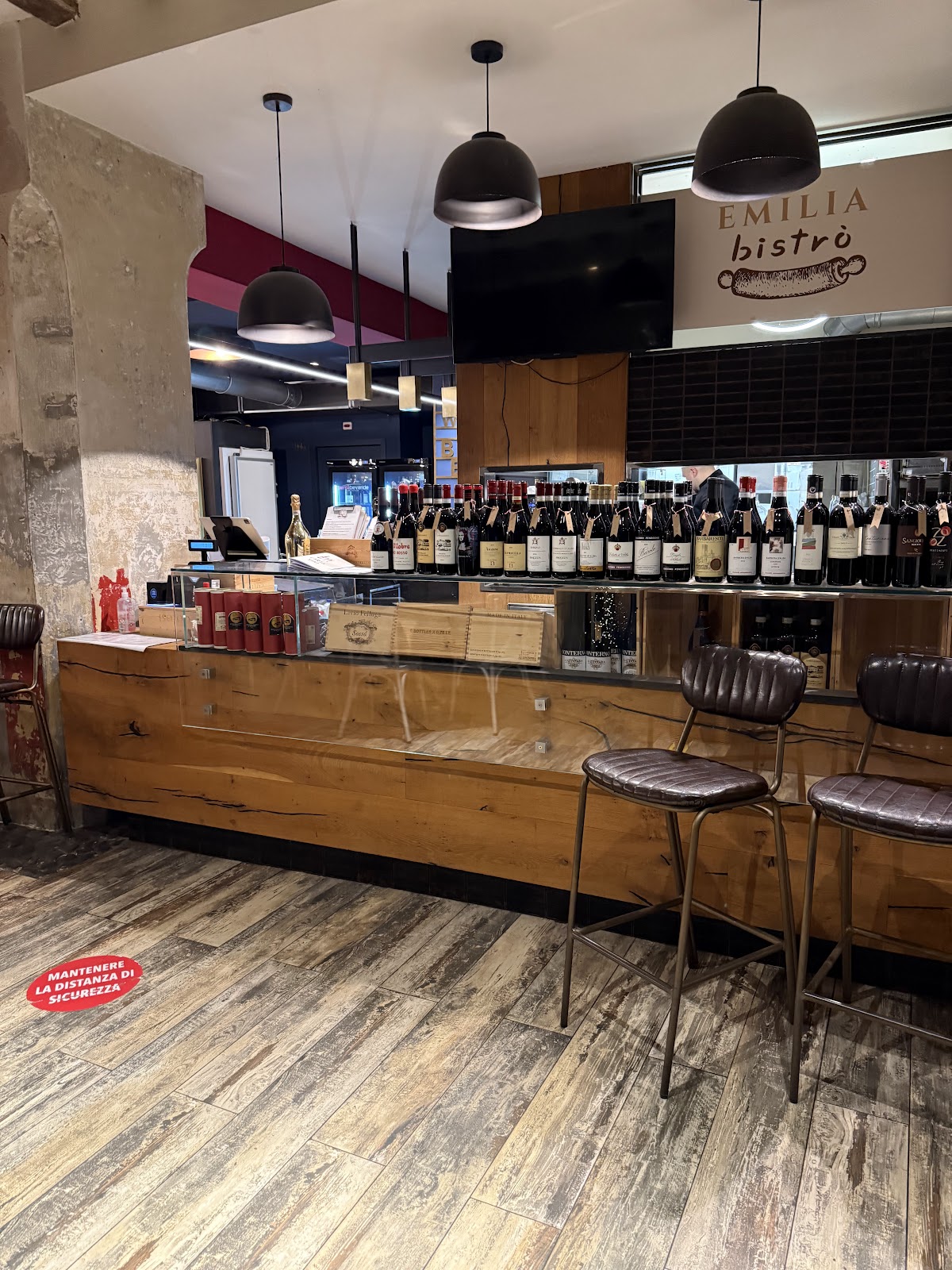
In Modena, eating is not an option but a cultural necessity. Begin with authentic breakfast at Gelateria Borghi Modena, where sour cream gelato and seasonal Emilia fruits transform simple gelato into literature. Then choose your lunch route: for genuine tradition, head to Trattoria Aldina, where tortellini filled with mixed meats and macaroni pie are prepared according to neighborhood recipes, with generous portions and popular prices. For conscious innovation, Garum - Cucina Indipendente (Via Cesare Battisti 7) is where the chef interprets the territory with creative freedom: exceptional local ingredients transformed into personal and memorable dishes—approximately 50-70 euros for a tasting menu. If you prefer a middle ground, NOI Osteria Contemporanea reinterprets Estense flavors with modern elegance, or Emilia Bistrò on Piazza Roma, where balsamic vinegar, Parmigiano Reggiano and local meats become protagonists. For dinner, Ristorante Fà a Mód overlooking Canalgrande offers fresh egg tagliatelle and meat dishes with contemporary elegance. Close the evening with an aperitivo at Bivio enoteca - vini naturali in Bologna (next stop) where natural wines from small producers open authentic conversations.

Day Two: Medieval Bologna, Nature and Landscapes of the Bologna Hills
Arrive in Bologna (30 km from Modena, 30 minutes by regional train) and orient yourself toward Piazza Maggiore: the Two Towers—Asinelli (97 meters) and Garisenda (48 meters)—are the physical witnesses of the city's medieval power. Climb Asinelli (approximately 3 euros, 498 steps) for a 360-degree view of the medieval urban fabric. Then immerse yourself in authentic trattorias: Osteria dell'Orsa near the Two Towers serves ricotta-spinach tortelloni and DOP mortadella in an atmosphere of close-set tables and genuine Bolognese energy. For lunch, choose authenticity or nature: if you remain in the city, stay at Albergo Centrale Bologna in the historic heart or Grand Hotel Elite in a residential area for comfort. In the afternoon, venture from the city toward Oasi Naturale di San Gherardo in the Colli Bolognesi—a protected wetland sanctuary where herons, freshwater turtles and Apennine ecosystems thrive. Guided trails (check the website for hours) wind through intact natural habitats: it is the ecological counterpart to medieval stone. If you prefer experiential activity, contact Wolf's Spirit a.s.d. - Survival School in Bologna for orientation and bushcraft training in Emilian terrain. Conclude with dinner at Osteria dell'Orsa or Bivio enoteca where natural wines narrate the region's conscious philosophy.
Practical tips
Purchase a combined ticket for Modena's Civic Museum and the Ghirlandina (approximately 8-10 euros total) to save on your morning visit.
Book Garum - Cucina Indipendente 5-7 days in advance: the restaurant has limited seating and its reputation attracts visitors from across Italy.
In Bologna, the arcades are free and endless: walk beneath the arches of Via Pescherie Vecchie and Via Santo Stefano to discover workshops, fresh pasta makers and authentic spaces away from Piazza Maggiore.
Visit Modena's acetaie (balsamic vinegar aging facilities) on Thursday afternoons: many close Mondays and Wednesdays, and Thursdays offer smaller groups with more personalized tours.
Take the regional train Modena-Bologna (15-20 minutes, approximately 5 euros) instead of car or taxi: avoid urban congestion and allow yourself to read, rest and mentally prepare for the city change.
Plan your trip
Personalised day-by-day itinerary in 5 minutes — restaurants, hotels, live events.
Plan now