Cagliari e Campidano is Sardinia's historical heartland, where medieval bastions rise upon Phoenician acropoli and fertile plains cradle world-renowned DOC vineyards. Here, between the capital and whitewashed inland villages, culinary and wine traditions reveal millennia of farming and maritime heritage. It is the very essence of the island, crystallized in every stone, every sip, every dish.
The Landscape
Campidano stretches as a wide alluvial plain between Cagliari and the Sarcidano highlands, creating one of Sardinia's most fascinating agricultural landscapes. Here, volcanic red soil nurtures orchards, vineyards, and grain fields that stretch to the horizon. Cagliari, a port city perched on seven hills, dominates the gulf with its Aragonese and Pisan towers. The territory is crossed by the Flumendosa and Tirso rivers, waterways that trace the island's hydrogeological history. From the Marmilla margins to the shores of Santa Gilla lagoon, the landscape alternates between nuragic archaeological sites and picturesque medieval hamlets like Sestu, Monserrato, and Settimo San Pietro.
History and Folklore
Cagliari e Campidano preserves layers of civilization: from Bronze Age nuraghi to Phoenicians and Romans, through medieval Judgedoms. Cagliari, founded by Phoenicians as Karalis, became Roman Sardinia's capital. Local folklore brims with tradition: the Sant'Efisio festival (May 1st) features costume processions; Sestu and Monserrato carnivals maintain ancestral purification rituals. Legends speak of a Sunken City in the gulf and Su Parangius, a trickster spirit protecting rural boundaries. Women still embroider fabrics using nuragic geometries, transmitting millennial weaving knowledge. Each Campidano village possesses historic militia and medieval heraldic emblems.
What to Eat
Campidano is the cradle of authentic Sardinian cuisine. Pane Carasau DOP, paper-thin and crisp, accompanies every meal; Bottarga di Cabras DOP (salted mullet roe) transforms simple pasta into a maritime experience. Su Erbucciu (barley and fava soup) warms winter evenings, while Merca (marinated horse meat) represents pastoral tradition. Pecorino Romano DOP cheese from Campidano gratings crown malloreddus, semolina gnocchi with ragù. Sweets: seadas (fried cheese ravioli with honey) and Su Ninaloru (almond paste braid). Cured meats from Sus de Nurra, Sardinian black pig, glorify festive tables.
What to Drink
Vermentino di Sardegna DOC, grown in Campidano's calcareous soils, offers mineral and saline notes. Cannonau di Sardegna DOCG, a robust red wine with nuragic roots, ages nobly in southern Campidano. Monica di Sardegna DOC reveals wild cherry and spice aromas. For rosés: Isola dei Nuraghi DOP embodies summer elegance. Sardinian Mirto Bianco, a liqueur of wild berries, concludes traditional dinners. Cellars around Sanluri and Villacidro produce some of the region's finest examples, with tastings available during Wine Week (October).
When to Visit
May enchants with the Sant'Efisio Festival (May 1st), Cagliari's millennial procession. July-August offer beaches but crowd historic centers. September is ideal: mild climate, vineyard harvests, Wine Week in Sanluri (early October). Carnival (February-March) transforms Sestu, Monserrato, and Settimo San Pietro into ancestral dionysian celebrations. Spring (April-May) rewards with Campidano blooms and pleasant visits without excessive heat. Winter (November-February) welcomes Sant'Efisio pilgrims and offers contemplative solitude in villages.
Places Worth Visiting
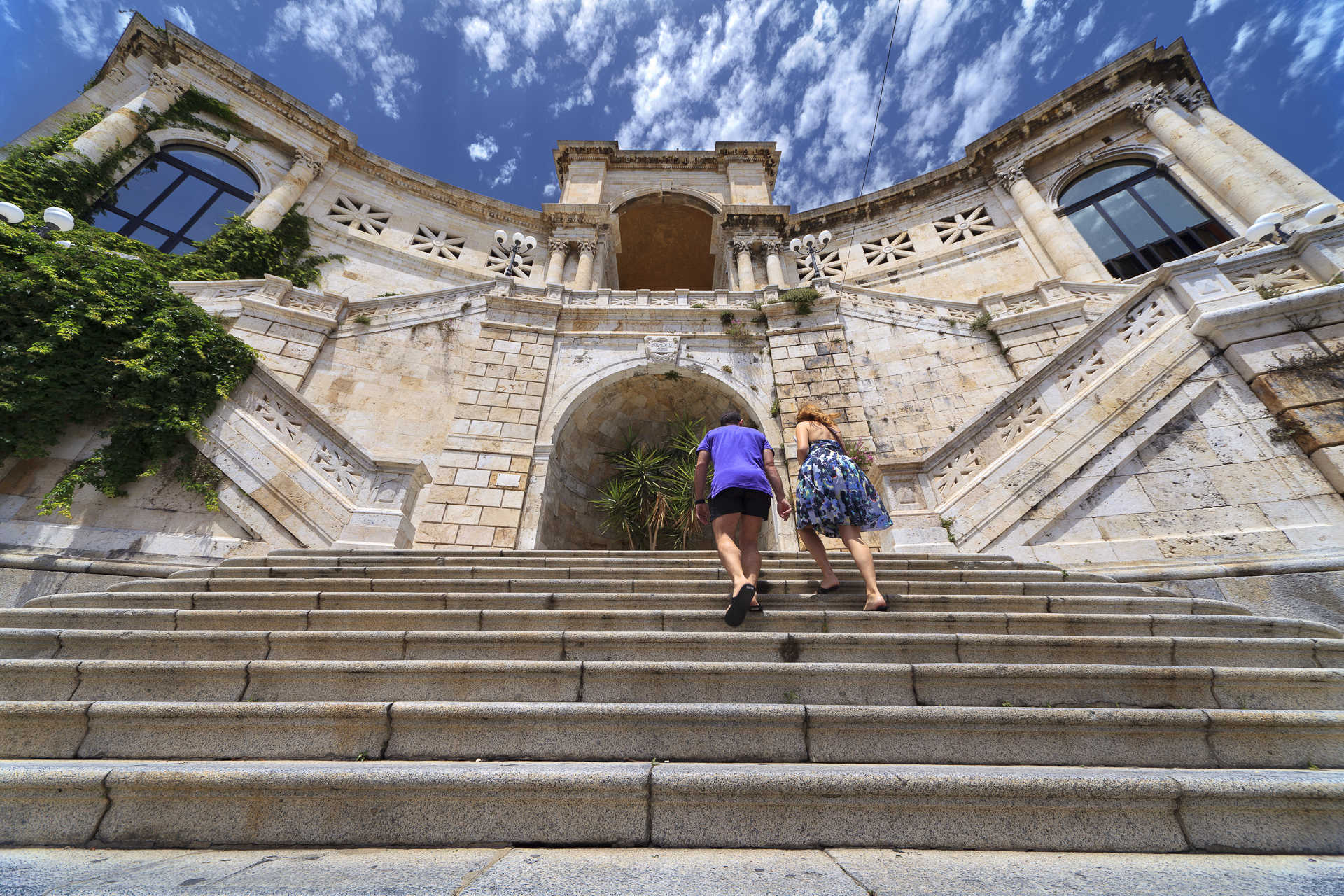
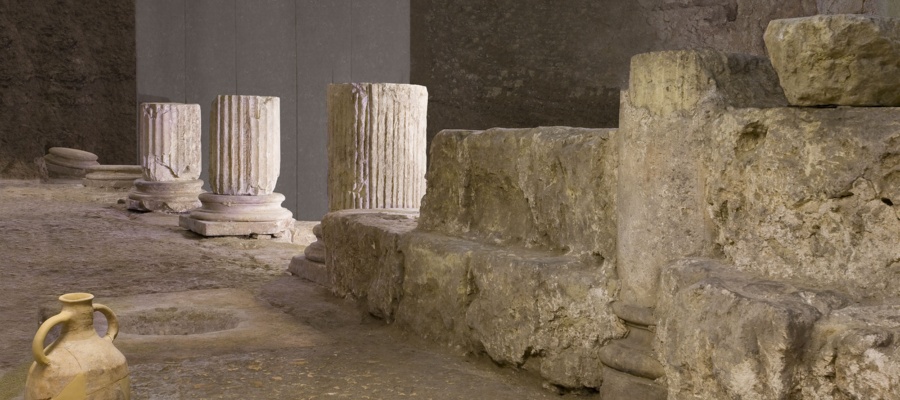
Cagliari Vecchia: the Aragonese Castle with the Elephant Tower dominates the city; archaeological museums hold nuragic statues and Phoenician finds. Nora: the ancient Roman city half-submerged between sea and lagoon, revealing patrician villas and Punic temples. Sanluri: medieval Castello Doria rises in the Campidano plain; surrounded by cellars producing Cannonau DOCG and Monica DOC. Sestu: Cagliari borough where Carnival preserves unique ancestral rituals, with traditional Sardinian costume processions.
Practical tips
Visit Sanluri and Villacidro cellars in spring or autumn for tastings during harvest; many offer guided vineyard tours.
Book the Sant'Efisio procession a month ahead: it's one of the Mediterranean's greatest folkloric spectacles, drawing over 300,000 visitors.
Taste fresh Pane Carasau from local Monserrato and Sestu ovens, not packaged versions; the texture and flavor difference is striking.
Plan your trip
Personalised day-by-day itinerary in 5 minutes — restaurants, hotels, live events.
Plan now