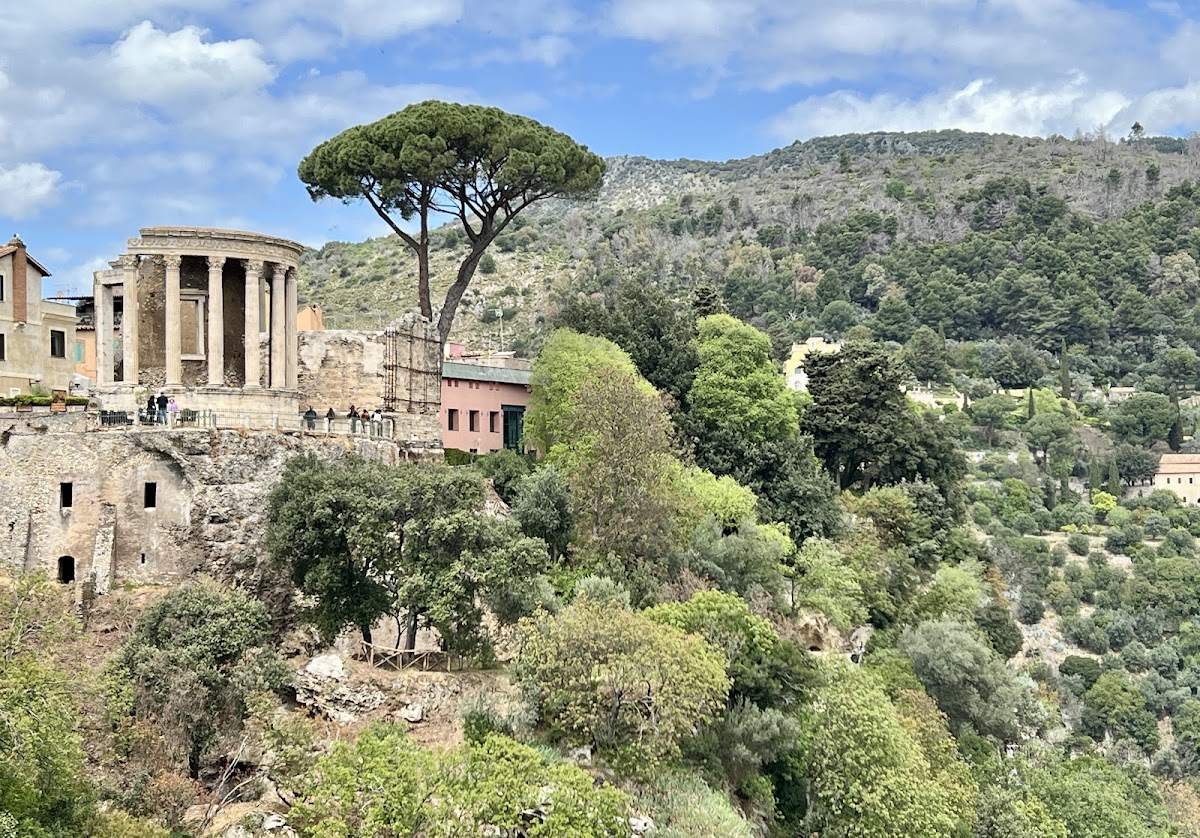
Twenty-five kilometres southeast of Rome, the Colli Albani rise from the plain — an extinct volcanic complex whose collapsed craters now form two perfect circular lakes (Lake Albano and Lake Nemi) and whose rich volcanic soil has produced wine since the Roman Republic. Spread across these ridges and crater rims are the seventeen Castelli Romani — historic small towns that have served as Rome's summer escape for 2,000 years, from imperial villas to papal retreats to today's Roman Sunday lunch tradition. The wines (Frascati, Marino, Velletri) are still made here; the chestnut and porcini-rich Apennine forests are walkable; the food is heavier and more rustic than central Roman cuisine (porchetta, salame al sugo, lake fish). A weekend is enough to do it justice; many Romans come every Sunday and have done so since they were children.
Getting to the Castelli Romani
By train: Roma Termini to Frascati or Albano Laziale (30-45 minutes, €2.10-2.80 one-way, every 30-60 minutes). The Castelli are well-served by regional rail. By COTRAL bus: from Anagnina metro (Line A terminus) — Frascati, Grottaferrata, Castel Gandolfo, Albano are all 30-40 minutes (€1.30-2.20). Buses every 15-30 minutes. By car: Via Tuscolana (SS215) or the A1 motorway exit Monte Porzio Catone, 30-45 minutes from central Rome depending on traffic. The car makes sense if you're going hill-to-hill (Frascati → Nemi → Castel Gandolfo) which is impractical by transit. Best strategy: train to Frascati for a single-town day; car for the full crater rim circuit; never the metro+bus route on Sundays when Romans clog the system going home.
Frascati and the wine tradition
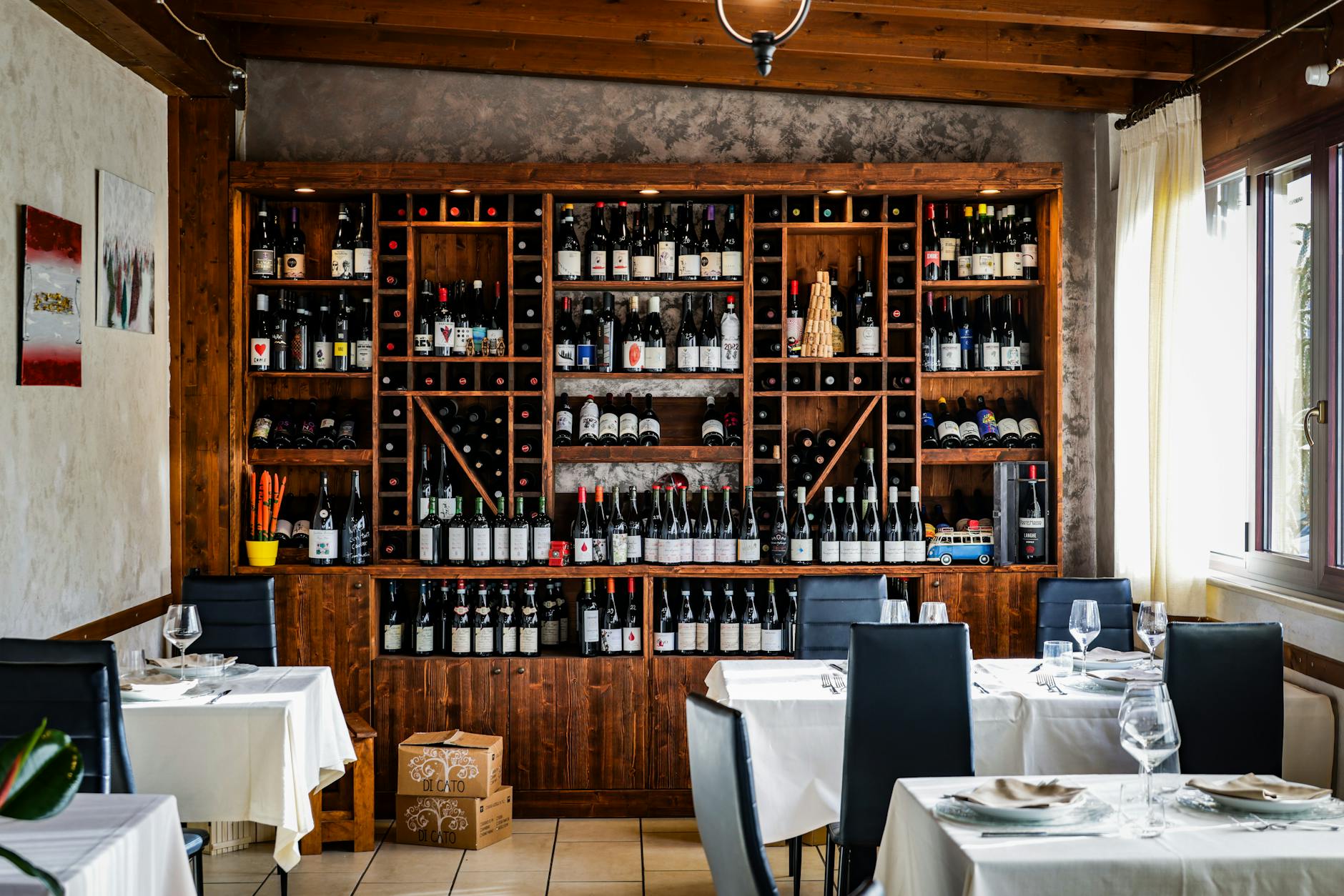
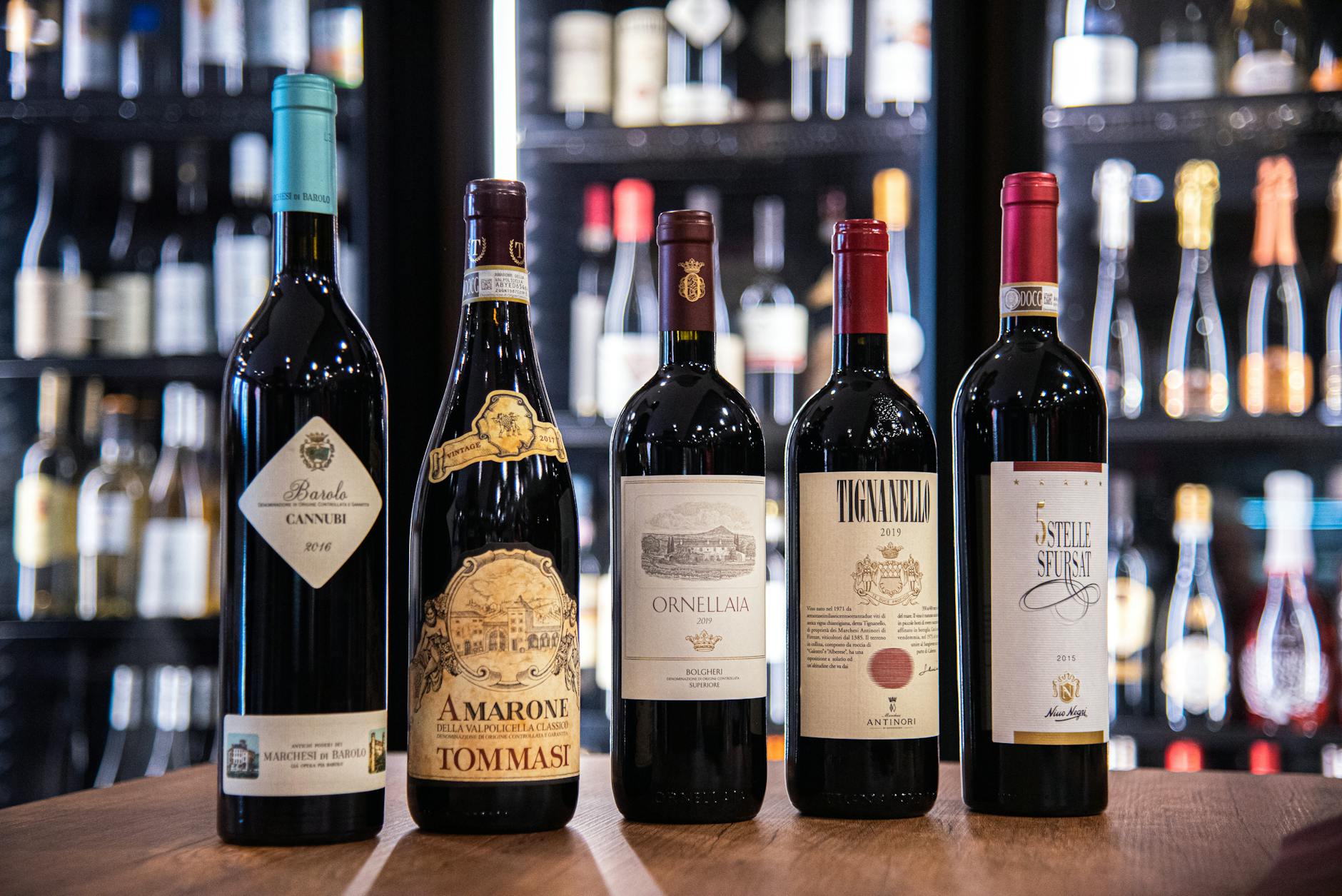
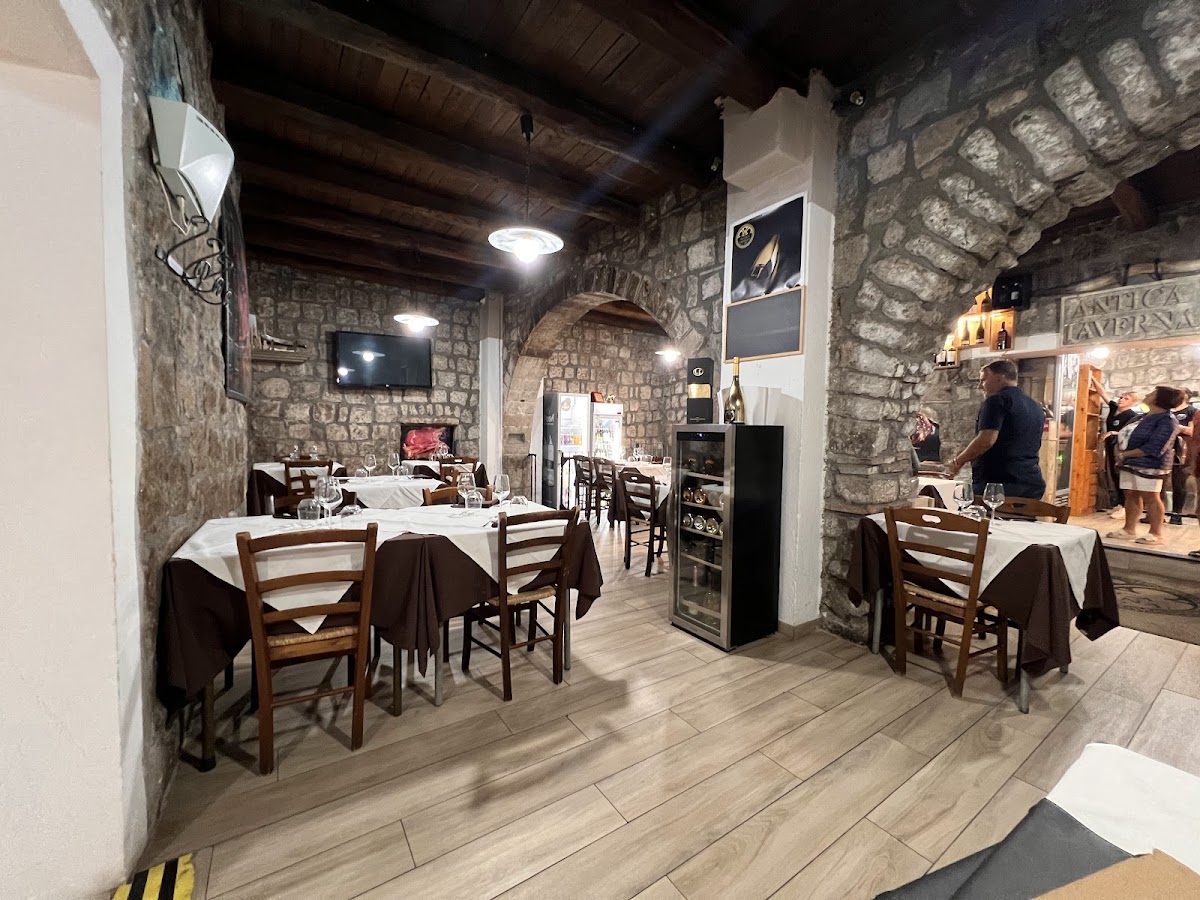
Frascati is the wine capital of the Castelli and the easiest day trip from Rome (30 minutes by train, €2.10). The historic centre is dominated by Villa Aldobrandini, the 1602 Baroque pile built for Cardinal Pietro Aldobrandini by Giacomo della Porta and Carlo Maderno — the gardens (free, weekday access by request) overlook Rome and on clear days you can see the sea. The Frascati DOC zone produces 90% of the wine Romans drink in the city — light, dry whites from the Malvasia and Trebbiano grapes, traditionally consumed within days of fermentation. Modern producers (Castel de Paolis, Casale Marchese, Fontana Candida) have lifted quality dramatically over the last 20 years. The Frascati tradition is the fraschetta — a rustic eating-house where you buy a litre of unmarked house wine for €5-8, bring your own porchetta and bread from the nearby norcineria, and eat at communal tables. Cantina San Marco and Da Berardo are the surviving authentic fraschette. Avoid the modernised "fraschetta" restaurants charging €25 per head — the real ones look like garages and don't have menus.
Castel Gandolfo and Lake Albano
Castel Gandolfo is the most architecturally refined of the Castelli, dominated by the Apostolic Palace — the papal summer residence from 1626 to 2016, when Pope Francis renounced the tradition and opened the palace and its 55-hectare Barberini Gardens to public visit (€11, online booking required, closed Sundays). The piazza in front of the palace, designed by Bernini, is one of the great Baroque public spaces in Italy. Below the town, Lake Albano fills a perfectly circular volcanic crater 170 metres deep — the deepest lake in central Italy, swimmable from May to September (lakeside beaches charge €5-15 for a sunbed, free public beach at the north shore). The walk from the town down to the lake takes 20 minutes; the climb back is steep. Lake-shore restaurants serve lake fish (coregone, persico) but quality is mediocre; eat in the historic centre instead — Antico Ristorante Pagnanelli (Via Antonio Gramsci) and Ristorante Bucci (Piazza della Libertà) are the institutional choices, €30-50 per head.
Nemi, the strawberries, and the Roman ships
Nemi is the smallest and most spectacular of the Castelli, perched on the rim of a smaller, more secluded crater lake. The town is famous nationwide for its tiny wild strawberries (fragoline di bosco) sold by the punnet at €4-6 in early June. The traditional Sagra delle Fragole takes place the first Sunday of June — overcrowded but the local strawberries are at peak. Below the town, the Museo delle Navi Romane (€6) houses the reconstructed shells of two enormous pleasure barges Caligula commissioned around 40 AD; the originals were recovered from the lake in 1928-1932 during Mussolini's draining project, then burned by retreating German troops in 1944. Even the reconstructed hulls — 70 metres and 73 metres long — give the scale of imperial extravagance. The lake is unswimmable (cold, deep, mostly private shore) but the rim walk around the crater is one of the best hikes in Lazio, 7 km, 2 hours, mostly flat with panoramic views.
Eating like Romans on Sunday
Sunday lunch in the Castelli is a 2,000-year Roman tradition and the single most authentic experience the region offers. The classic order: antipasto of porchetta (slow-roasted pork from Ariccia, the spiritual capital of porchetta), salame al sugo (a local cured pork sausage cooked in tomato), and bruschetta. Primo of fettuccine al ragù di cinghiale or pasta e fagioli. Secondo of abbacchio (milk-fed lamb) or coniglio alla cacciatora. House Frascati throughout. Total cost: €30-45 per head at a proper trattoria, €15-25 at a fraschetta. The institutional Sunday-lunch addresses: Ariccia for porchetta (any of the historic fraschette on Via San Rocco), Frascati for fraschetta tradition (Cantina San Marco), Marino for the October sagra dell'uva (early October, free flowing wine from the central fountain — yes, literally). Avoid Sundays without booking; Romans book Castelli lunch tables on Wednesday.
Logistics — timing, costs, weekend planning
When to go: April-June and September-October are best for hiking, wine harvest (mid-October) and crater views. Late June through August can be hot but the Castelli are 200-400 metres higher than Rome and 3-5°C cooler. December has the Sagra del Cinghiale in Cori; January-February are quiet. How long: a single day covers Frascati alone; a Saturday-Sunday covers Frascati + Castel Gandolfo + Nemi if you have a car; a long weekend (3-4 days) does the full circuit including the lesser-known Rocca di Papa and Genzano. Where to stay: Frascati has hotels in town (€80-120/night, Hotel Flora is the institution); rural agriturismi in the surrounding hills cost €70-100/night and include breakfast plus optional wine tasting. Budget for a weekend, two people: €400-550 total including transport from Rome, two dinners, two tastings, and accommodation.
Frequently asked questions
How many days do you need in the Castelli Romani?
One day is enough for a single town (typically Frascati or Castel Gandolfo) plus lunch. A weekend covers 3-4 towns including the two lakes if you have a car. The full circuit of all seventeen towns would take 4-5 days, but most of them are similar small hill towns and only Frascati, Castel Gandolfo, Nemi, Ariccia and Marino justify dedicated visits. Skip the rest unless you have specific reasons (Rocca di Papa for hiking, Genzano for the June flower festival, Velletri for serious wine).
Do you need a car for the Castelli Romani?
Not for a single-town day trip — train to Frascati or COTRAL bus to Castel Gandolfo work fine. For a weekend covering multiple towns, the car is dramatically more efficient — the Castelli are connected to Rome by transit but poorly connected to each other. The 8 km drive from Castel Gandolfo to Nemi takes 20 minutes; the same trip by public transit requires going back through central Rome and takes 2.5 hours. Rent a car at Rome Termini for the weekend (€40-60/day).
When is the best time to visit for wine tasting?
Mid-September through mid-October is harvest season — visit working cellars during pressing, taste freshly fermented must, see the operations at full intensity. April-June is the second-best window, with wineries fully open for visits and good weather. November-March is quieter — many small producers close for winter; the larger cellars (Fontana Candida, Castel de Paolis) stay open year-round with appointment. Avoid August: many producers close for ferie. Allow 1.5-2 hours per cellar visit; book ahead, especially for smaller producers.
Can you swim in Lake Albano or Lake Nemi?
Lake Albano: yes, from May to September. The lake is volcanic, deep (170 m) and cold even in summer (max 22°C). The north shore has a free public beach; the south shore has paid lakeside establishments (€5-15 for a sunbed). The Romans go on Sunday and the parking fills by 10:00. Lake Nemi: technically no — the shore is mostly private and the lake is colder and deeper. Hike the rim path instead; bring swimsuits only if going to Albano.
What's the difference between Frascati, Marino and Velletri wine?
All three are white wine DOC zones in the Castelli using mainly Malvasia and Trebbiano grapes. Frascati is the most famous and most exported — drier in modern interpretations, fuller-bodied in traditional ones. Marino is slightly more aromatic and softer; produces sweeter dessert wines too. Velletri makes both whites (DOC) and reds (Velletri Rosso DOC, less known) — the reds use Cesanese and Montepulciano. Try one from each at a fraschetta in Frascati; €5-8 a glass each.
Is the Pope still at Castel Gandolfo?
No. Pope Francis renounced the papal summer residence tradition in 2014 and opened the Apostolic Palace and Barberini Gardens to public visit in 2016. They are now permanently public museums (€11, online booking required, closed Sundays). Pope Leo XIV, elected in 2025, has shown some interest in occasional retreats there but has not restored the seasonal residence tradition. The papal apartments, throne room, study and chapel are all visitable.
Are the Castelli Romani worth visiting in winter?
Yes, for different reasons. Winter brings cinghiale (wild boar) sagre in many towns, chestnut harvest celebrations in October-November, and a quiet atmosphere with locals reclaiming the trattorie from summer tourists. The crater landscapes are more atmospheric in fog. Drawbacks: many smaller producers close for winter, some lakeside establishments shut, weather is cool (5-12°C) and damp. Best winter approach: a Sunday lunch focus with a single town stop rather than the full circuit.
Plan your trip
Build your itinerary