Rome exercises such gravitational pull that it frequently eclipses the territory surrounding it. Yet Lazio — historically Latium, the cradle of the Latin language and Roman civilisation — is far more than a frame for its capital. It is a land of profound complexity, divided into two geological worlds: the volcanic Etruscan north with its crater lakes and dark tufa canyons, and the rugged limestone south where Apennine ridges crowd the sea and the memory of pre-Roman tribes still lingers. To journey through Rome and Lazio is to trace the evolution of Western civilisation — Roman monumentalism, Baroque papal theatre, Etruscan enigmas, medieval hilltop citadels eroding into clay ravines, and the raw wilderness of coastal national parks, all within 200 km of the same city.

Rome — The Topography of Time
Rome (Roma) is a city constructed out of its own ruins — a vertical labyrinth where a single basement wall might be composed of Republican tufa blocks, Roman imperial brickwork, medieval masonry, and Baroque plaster. The historical core rests on the Seven Hills, but its political heart is the valley between the Palatine and the Capitoline: the Roman Forum (Foro Romano), once a marshy graveyard, then the monumental crossroads of the ancient world. Walking the Via Sacra today is a lesson in architectural fragments — the Arch of Septimius Severus, the columns of the Temple of Saturn, the brick shell of the Curia where the Senate debated the fate of empires. Combined Forum and Palatine Hill ticket: €16 online (mandatory reservation; same ticket covers the Colosseum on the same or following day). Above the Forum, the Palatine Hill is a sprawling park of umbrella pines and crumbling brick vaults — the ruins of the Domus Augustana showing how Rome's emperors lived in vast marble-clad complexes above the Circus Maximus. The Colosseum (Anfiteatro Flavio, completed 80 AD) is the city's most recognisable monument: a masterclass in ancient structural engineering with Doric, Ionic, and Corinthian orders stacked vertically on the exterior, and the hypogeum — a subterranean maze of tunnels and trapdoors that once delivered gladiators and wild beasts to the arena floor. The Pantheon, rebuilt by Hadrian around 118–125 AD, remains the largest unreinforced concrete dome in the world at 43.3 m diameter — the interior forms a perfect sphere, height equalling diameter, with the 9-m oculus at the apex casting a moving beam of sunlight across the marble walls like a cosmic clock. Entry €5 (online timed booking mandatory; avoid the free Sunday chaos). → See our Rome in 5 days guide and our Rome weekend guide for day-by-day planning and museum booking strategy.

Baroque Rome and the Vatican
As the Roman Empire collapsed, its architectural ambition was inherited by the Catholic Church, reaching a crescendo in 17th-century Baroque — an architecture of theatre, light, and dynamic movement dominated by two bitter rivals: Gian Lorenzo Bernini and Francesco Borromini. Piazza Navona follows the exact oval footprint of the ancient Stadium of Domitian; at its centre, Bernini's Fontana dei Quattro Fiumi (1651) is a dynamic explosion of travertine rock, exotic animals, and personified rivers surrounding an Egyptian obelisk. Facing it, Borromini's Sant'Agnese in Agone has an undulating concave facade demonstrating his mathematical mastery of alternating curves. The Trevi Fountain (Fontana di Trevi), designed by Nicola Salvi and completed 1762, turns the entire facade of the Palazzo Poli into a theatrical stage powered by the ancient Aqua Virgo aqueduct, still active after 2,000 years. Across the Tiber, Vatican City — an independent state since the Lateran Treaty of 1929 — is framed by Bernini's monumental St. Peter's Square, an elliptical space of 284 Doric columns designed to represent the maternal arms of the Church reaching out to the world. St. Peter's Basilica (free entry; dome climb €8 on foot, €10 by lift) is the largest church in Christendom. The Vatican Museums, culminating in the Sistine Chapel, require online booking (€17–20; essential, otherwise 2-hour queue). Michelangelo's ceiling frescoes (1508–1512) depicting the creation of the universe are the most influential paintings in Western art history: do not rush through the preceding galleries — Raphael's Stanze and the Gallery of Maps are extraordinary in their own right.

Trastevere, Testaccio and Roman Food
To experience Rome away from the monumental stagecraft, cross the Tiber into Trastevere — a historic neighbourhood of narrow cobblestone lanes (sampietrini) and low ochre houses that has retained its distinct working-class identity for centuries. At its heart, the Piazza di Santa Maria in Trastevere is anchored by a 4th-century basilica with 12th-century golden mosaics by Pietro Cavallini. Trastevere is now one of Rome's busiest nightlife districts — the authentic local experience has retreated to side streets. Further south across the river, Testaccio is the historic slaughterhouse district and the culinary birthplace of authentic Roman working-class cooking (cucina romana). The neighbourhood is literally built around Monte Testaccio — an artificial hill 35 m high composed entirely of millions of shattered ancient Roman terracotta amphorae (testae) discarded after unloading oil and wine from the river port over five centuries of Roman commerce. Here Rome's four canonical pasta dishes were perfected: Cacio e Pepe (Pecorino Romano and black pepper emulsified with starchy pasta water — no cream, ever); Carbonara (guanciale, egg yolks, and Pecorino, no cream); Amatriciana (guanciale, peeled tomatoes, pecorino, with origins in the mountain town of Amatrice); Rigatoni con la Pajata (intestines of an unweaned calf — the absolute root of the city's quinto quarto offal tradition). The Testaccio covered market (Mercato di Testaccio, Tuesday–Saturday 7am–2pm) is the best food shopping in the city, with no tourists.

Tuscia — The Volcanic Etruscan North
North of Rome lies the territory of Tuscia, a landscape shaped by ancient cataclysmic volcanic activity — old supervolcanoes that collapsed to form immense circular crater lakes while their ash hardened into thick layers of tufa stone (tufo). For centuries this was the heartland of the Etruscan civilisation, an advanced pre-Roman culture that carved its cities, roads, and tombs directly into the living volcanic rock. The genius of the Etruscans is found not in their surviving cities — largely overwritten by Rome — but in their necropolises. At Cerveteri (Caere), the Necropoli della Banditaccia (UNESCO 2004, €8) is a city-like grid of streets lined with tumuli, circular stone tombs covered by earthen mounds. Inside, the Tomba dei Rilievi has rock walls carved with stucco reliefs of household items, weapons, and pets — an intimate domestic space designed for the afterlife. At Tarquinia, the Necropoli di Monterozzi (UNESCO 2004, €8) holds underground rock-cut tombs adorned with vivid 6th-century BC frescoes: the Tomba dei Leopardi, the Tomba della Caccia e della Pesca — scenes of banquets, dancers, musicians, and fishermen that reveal an Etruscan worldview celebrating sensory pleasure and the prominent public role of women, entirely distinct from the austere militarism of early Rome. At the centre of Tuscia sits Viterbo (100 km from Rome, 1h 20′ by train), the City of the Popes in the 13th century, with Europe's best-preserved medieval quarter, San Pellegrino — dark basalt houses, archways, and external stone staircases untouched by modernity. Civita di Bagnoregio, 25 km east, is a medieval village built on a high tufa plateau above a vast valley of clay dunes, accessible only by a narrow footbridge; the edges of the town regularly break away into the ravines below, earning it the nickname La città che muore (The Dying City). Entry: €5.

Tivoli, Subiaco and the Sabine Hills
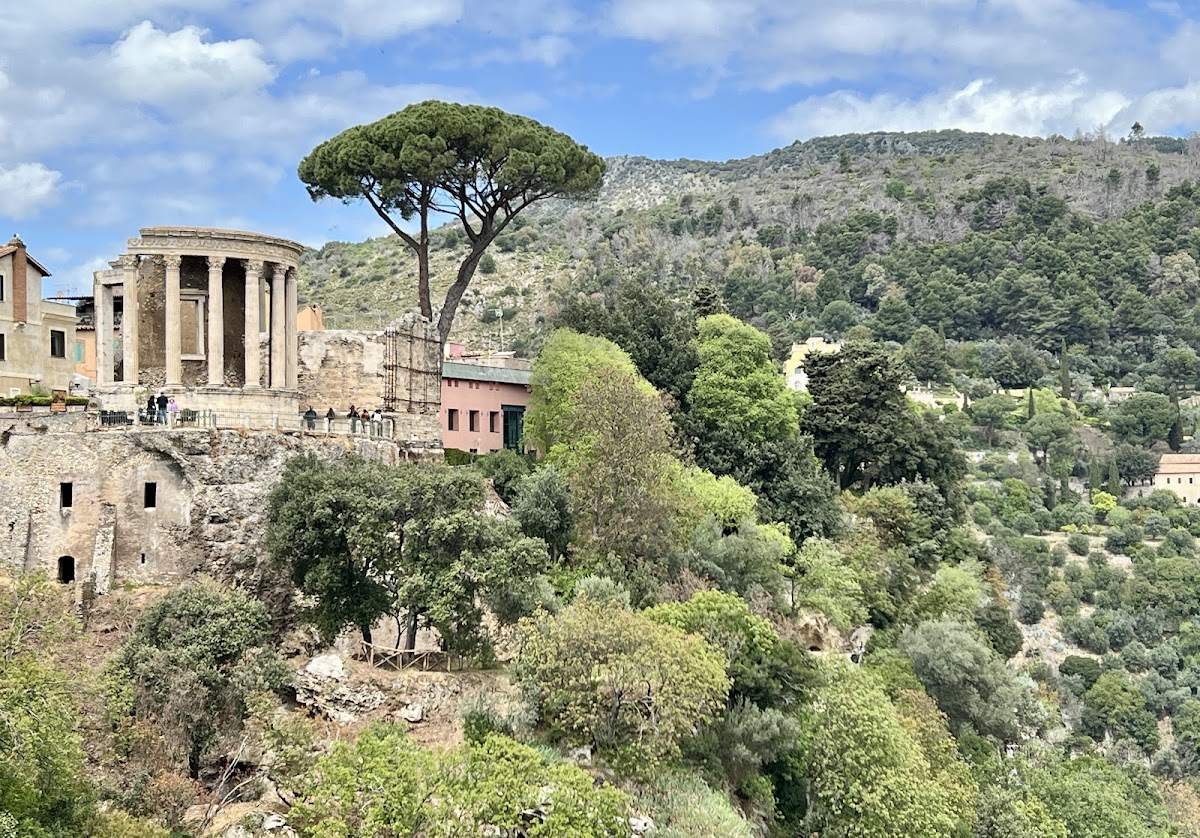
East of Rome, where the Aniene River cascades from the Sabine hills into the plains, lies Tivoli (30 km, 45 minutes by COTRAL bus from Ponte Mammolo metro), holding two UNESCO World Heritage Sites within 5 km of each other. Villa Adriana (Hadrian's Villa, 2nd century AD) is a massive imperial estate where the cosmopolitan Emperor Hadrian recreated architectural monuments he had admired during his travels — most famously the Canopus, a long reflective pool framed by caryatid statues and a semi-circular dining grotto designed to evoke an Egyptian canal. Entry €12; allow 3 hours minimum. Villa d'Este (commissioned 1550 by Cardinal Ippolito II d'Este) is a masterpiece of Renaissance garden design built on a steep hillside, powered entirely by gravity and the diverted Aniene River — over 500 fountains, jets, and waterfalls animated by pure hydraulic pressure, including the Fontana dell'Organo, which forces air through organ pipes to produce Renaissance music from the flow of water. Entry €12; the garden is best in morning light. Deeper into the Simbruini Mountains, 70 km from Rome, lies Subiaco — where in the late 5th century AD a young Roman noble named Benedict of Nursia spent three years as a hermit in a cliff cave above the river before founding the Benedictine Order and writing the Rule of St. Benedict (Ora et Labora), which structured Western monastic life for the next millennium. His original cave is preserved inside the Monastero del Sacro Speco, built directly into a vertical rock wall, its multi-layered chapels covered in 13th–14th century frescoes including the oldest surviving portrait of Saint Francis of Assisi (painted during his visit in 1223, confirmed by contemporary sources).

The Castelli Romani and the Alban Hills
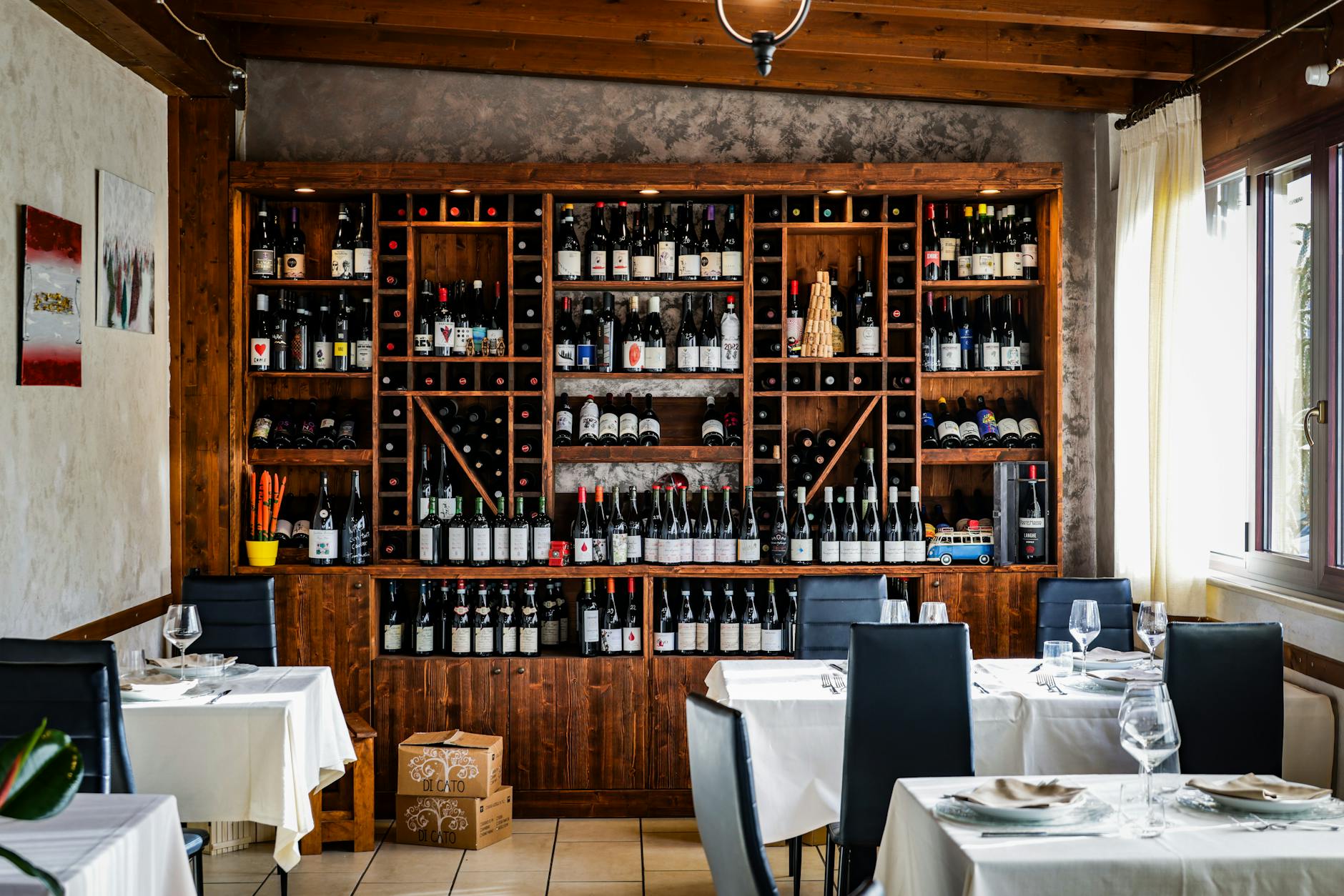
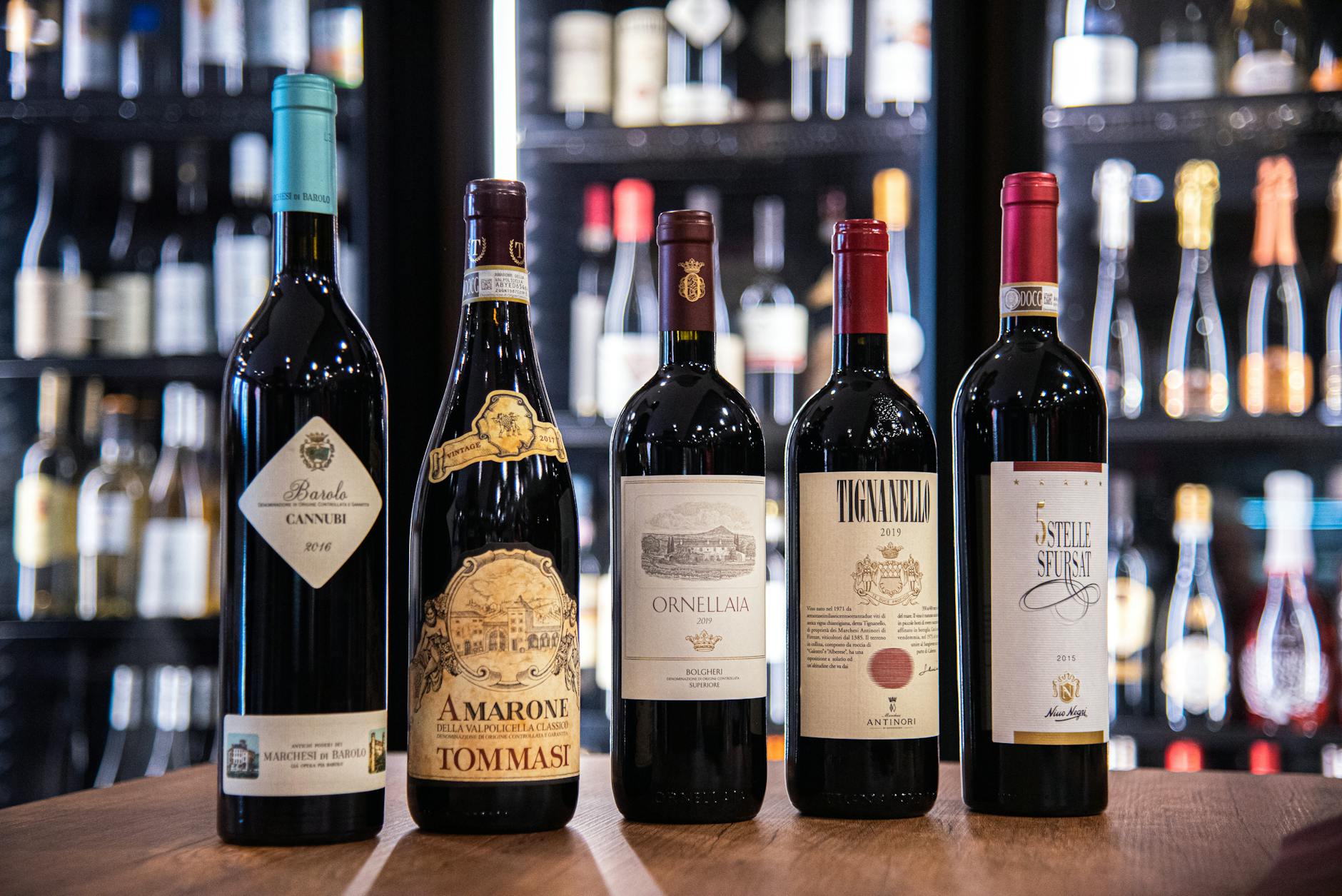
South-east of Rome, the Alban Hills (Colli Albani) rise from the plain — an extinct volcanic complex whose rich soils and cool air made it Rome's playground since the Republic. The Castelli Romani are seventeen historic hill towns scattered across these volcanic ridges, famous for Frascati DOC white wine and for the fraschette: rustic informal taverns in ancient cellars where locals eat hand-rolled pasta, wild mushrooms, and thick slices of porchetta from Ariccia (slow-roasted, herb-stuffed pig with shattering crispy skin — the single best version in Italy, made in the town daily, sold by the kilo at €14–16). At the heart of the region, Lake Albano — a deep volcanic crater lake of indigo-hued water — is overlooked by Castel Gandolfo on the ridge, the traditional summer residence of the Popes since the 17th century. The papal gardens and summer apartments are now open to the public (€16 combined, guided tour only, book on the Vatican Museums website). Frascati is the most accessible of the Castelli from Rome (30 minutes by train from Termini, hourly), with its own DOCG wine trail and the spectacular Villa Aldobrandini gardens above the town (free entry to gardens, €5 for the interior). The best approach to the Castelli is by car: the Via dei Laghi connects the main towns above the lake with sweeping views across the volcanic crater basin.

The Ciociaria, Montecassino and the Limestone South
South of Rome, the soft volcanic tufa disappears and is replaced by the stark white limestone of the Lepini, Ausoni, and Mainarde Mountains — the territory of the Ciociaria, named after the traditional raw-leather sandals (ciocie) worn by local shepherds. At Anagni (80 km south of Rome, 45 minutes by regional train), the Romanesque Cathedral of Santa Maria contains the Crypt of Saint Magnus beneath its nave — 540 square metres of 13th-century Byzantine-style frescoes covering every vault and wall, weaving together sacred history, natural science, and Hippocratic medicine. It has been called the Sistine Chapel of the Middle Ages and almost nobody goes there. Nearby Alatri and Ferentino preserve the most extraordinary pre-Roman polygonal walls in Italy — massive limestone blocks fitted together dry without mortar, rising over 21 m at their highest corner at Alatri's Acropoli Civita. These Cyclopean fortifications were built by the Hernici tribe, pre-dating Rome by centuries, and remain structurally intact after 2,500 years. Perched on a high ridge above the Liri Valley, the Abbey of Montecassino (founded by Saint Benedict in 529 AD) was destroyed by Allied bombing on 15 February 1944 — over 1,100 tons of explosives dropped in the mistaken belief that German troops were using it as an observation post. Rebuilt exactly according to the principle Com'era, dov'era (As it was, where it was), it reopened in 1964. The WWII Polish Military Cemetery on the hillside below the abbey — 1,072 graves — is one of the most affecting war cemeteries in Italy.

The Coastal Frontier — Circeo, Terracina and Sperlonga
The western edge of Lazio is bounded by the Tyrrhenian Sea — a coastline defined by environmental transformation. For millennia the southern coast was an expanse of malaria-ridden swamps known as the Pontine Marshes (Paludi Pontine). Drained in a massive 1930s engineering project under Mussolini, this territory now transitions from flat rationalist agricultural plains into limestone sea cliffs and a coastal national park. The town of Sabaudia, built 1934 on a narrow strip between coastal lagoons, is a textbook example of Italian Rationalist architecture: clean geometric lines, monumental travertine, and zero decorative ornamentation — an unsettling but fascinating chapter of Lazio's history where urbanism functions as ideological manifesto. Rising from these plains, Mount Circeo is a solitary limestone massif that forms the Parco Nazionale del Circeo — one of Italy's smallest and most ecologically diverse national parks, protecting coastal forest, four lagoons, and 30 km of sand dunes. In Homer's Odyssey this was the legendary home of Circe the sorceress. At Terracina (100 km south of Rome), the Temple of Jupiter Anxur sits on the summit of Monte Sant'Angelo — a 1st-century BC sanctuary built on a massive vaulted terrace of twelve monumental arched stone arcades visible from miles out at sea. The southern coastal loop ends at Sperlonga, a whitewashed village on a rocky promontory whose name derives from spelunca (cave): the Emperor Tiberius transformed the natural limestone grotto at the water's edge into an aquatic banquet hall with a circular fish pond surrounding a central dining island, decorated with colossal marble sculptures of Odysseus's mythological adventures.
Practical tips
Borghese Gallery (Galleria Borghese) is the single most important booking in Rome — maximum 360 visitors per 2-hour slot, strictly enforced. Book on the official site (galleriaborghese.it) at least 5–14 days ahead from April to October, and weeks ahead in August.
ZTL (Limited Traffic Zones) in Rome cover the entire historic centre, Trastevere, and Testaccio. Do not attempt to drive in — cameras are everywhere, fines are €100–250, and rental companies add €30–50 administrative fees. Use metro, bus, tram, or taxis.
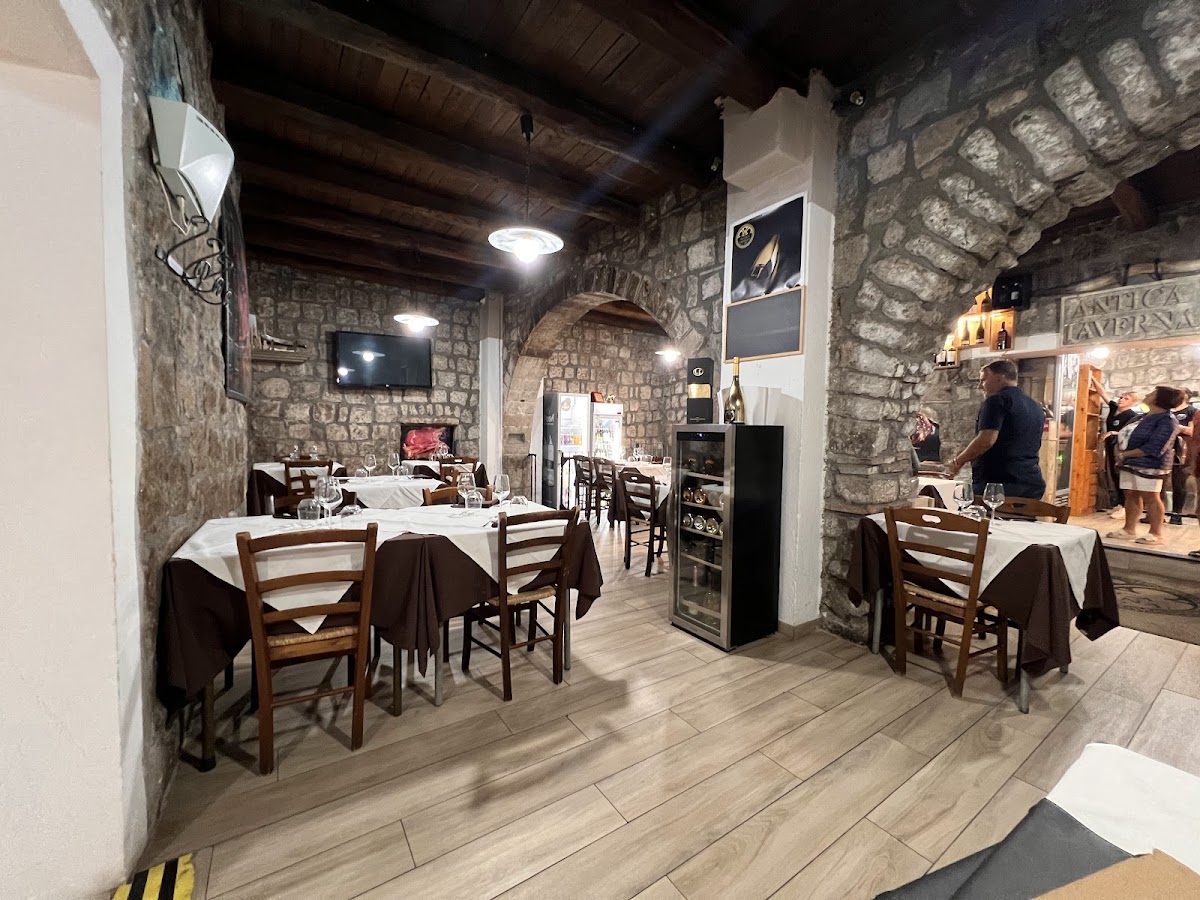
Eating in Rome: the rule is simple — walk two streets back from any major monument before sitting down. Restaurants immediately around the Colosseum, Pantheon, Trevi Fountain, and Vatican are tourist traps. Two streets away, prices drop 40–60% and quality improves sharply.
Civita di Bagnoregio: go at 8am for the light and the emptiness. By 11am tour groups from Rome and Orvieto fill the footbridge. Entry €5 at the bottom of the bridge. The village has a handful of restaurants — book lunch in advance as capacity is extremely limited.
Tivoli: take the COTRAL bus from Ponte Mammolo metro (Line B) to Tivoli town, then local bus to Villa Adriana (TAL shuttle, timetable online) and walk 800 m to Villa d'Este. Do Villa Adriana first (opening hour is the coolest and quietest), Villa d'Este second (afternoon light hits the fountains well). Allow 6 hours total.
Tarquinia Etruscan painted tombs: the frescoes are light-sensitive; you view each tomb through a glass panel with internal lighting (switched on by the guide for 3 minutes, then switched off). Photography permitted without flash. The Tomba dei Leopardi and Tomba dei Giocolieri are the highlight of the standard circuit.
Montecassino: the abbey is 3 km above Cassino town (1h 30′ by regional train from Roma Termini, then taxi up). The WWII Polish Military Cemetery on the hillside below the abbey is free and takes 30 minutes. Combine with the Monte Cassino Battle Museum (Museo del Corpo di Spedizione Polacco) in Cassino town for context.
Frequently asked questions
How many days do you need in Rome?
3 days covers the essential monuments: Colosseum, Forum, Palatine (half day), Vatican Museums and Sistine Chapel (half day), St. Peter's (morning), Pantheon, Piazza Navona, Trastevere (full day). 5 days allows you to breathe — add Borghese Gallery (book 2 weeks ahead, mandatory), the Appian Way by bike, Testaccio market and food tour, and a day trip to Tivoli for both villas. 7 days means you can genuinely explore the city rather than tick it.
When is the best time to visit Rome?
April–June and September–October are the best months. Temperatures are comfortable (18–26°C), the light is beautiful, and the city is busy but not overwhelmed. July–August is extremely hot (35–38°C) and tourist-saturated; many Romans leave and restaurants in the historic centre close for 2–4 weeks in August. November–March is cool (8–15°C), quiet, and atmospheric. Christmas in Rome is genuinely festive — Piazza Navona has a market, and January is the quietest month of the year with lowest accommodation prices.
Do you need to book Rome's attractions in advance?
Yes — for three sites, advance booking is non-negotiable: the Colosseum and Roman Forum (€16 online, timed entry, sell out weeks ahead from March to October); the Vatican Museums and Sistine Chapel (€17–20 online; without booking, expect 2-hour queues); and the Borghese Gallery (€13 + €2 booking fee; maximum 360 visitors per 2-hour slot, must book at least 5–14 days ahead). The Pantheon (€5) also requires timed entry booking online. The Trevi Fountain, Piazza Navona, and Trastevere are free and require no booking.
Is the Colosseum worth it?
Yes, unequivocally — but prepare properly. The exterior is spectacular from any angle. The interior tells the story of Roman engineering: book the hypogeum tour (underground tunnels, €22–25, specific timed slots) to understand how gladiatorial combat actually worked. The Arena Floor experience (€18, combined ticket) allows you to walk on a reconstructed wooden platform over the hypogeum. Standard entry (€16) covers the main interior levels. The Palatine Hill (included in the same ticket) is quieter and often skipped — go there last, as the views over the Forum and Circus Maximus are among the best in Rome.
What is the best day trip from Rome?
Tivoli (30 km east, 45 minutes by bus) for Villa Adriana and Villa d'Este is the single best day trip — two UNESCO sites in one town. Civita di Bagnoregio (120 km north, 2 hours by car) is the most visually dramatic: the dying tufa city on its cliff. Cerveteri and Tarquinia for Etruscan necropolises are essential if you have an archaeological interest (1 hour north by car or regional train + bus). Ostia Antica (30 km south-west, 30 minutes by metro) is Rome's port city, with an extraordinary 60-hectare archaeological site and no queues — one of the most underrated ancient sites in Italy. Avoid Naples as a day trip — it deserves 2 nights minimum.
Is Rome safe?
Rome is generally safe for tourists, but pickpocketing is common in specific locations: the Colosseum area, Termini station, Trastevere on weekend nights, crowded buses (particularly the 40, 64, and H routes). Use a crossbody bag with a zip, do not display cameras on straps around the neck in crowds, and keep phones in front pockets. Avoid unlicensed taxi touts outside Termini (use official white taxis or Uber). The historic centre is safe to walk at any hour. The areas around Termini station east of Via Cavour are less comfortable late at night.
What are the best areas to stay in Rome?
Trastevere: most atmospheric, quietest by day, lively by night, slightly further from the main ancient sites. Centro Storico (around the Pantheon and Piazza Navona): central, expensive, but walkable to everything. Prati (across the Tiber, near Vatican): quieter than Centro Storico, good value, 10 minutes walk to St. Peter's. Testaccio: local neighbourhood character, best food access, slightly further from the tourist monuments. Avoid Termini area for atmosphere — convenient for transport but not a pleasant base.
Can you visit Etruscan sites without a car?
Cerveteri is the most accessible without a car: regional train from Roma Termini to Cerveteri-Ladispoli (1 hour), then blue COTRAL bus to the town and a 20-minute walk to the necropolis (or taxi from the piazza, €10–15). Tarquinia: regional train from Roma Termini to Tarquinia station (1h 15′), then a bus or taxi up to the walled town; the necropolis is 2 km from the centre, walkable. Civita di Bagnoregio and Bomarzo require a car — no viable public transport. Viterbo has direct buses from Roma Saxa Rubra (1h 10′), making it the best public-transport base for northern Tuscia.
What is Cacio e Pepe and where should you eat it in Rome?
Cacio e Pepe is a Roman pasta dish of extraordinary minimalism: pasta (tonnarelli or spaghetti), Pecorino Romano DOP, freshly cracked black pepper, and starchy pasta water — nothing else. The technical challenge is emulsifying the cheese into a creamy sauce without it clumping; cream is never used and is a mark of a tourist trap. Where to eat it in Rome: Flavio al Velavevodetto (Testaccio, reliable, book ahead), Da Enzo al 29 (Trastevere, small, book weeks ahead in peak season), Roscioli (near Campo de' Fiori, the canonical version, attached to a deli and wine bar). Avoid any restaurant displaying photos of the dish in their window — a reliable negative indicator.
Is the Vatican worth a full day?
Yes, if you go properly. The Vatican Museums alone require 3 hours minimum to do justice to the highlights: the Gallery of Maps (40-metre corridor of 16th-century topographic frescoes), the Raphael Stanze (four rooms painted by Raphael for Pope Julius II, including the School of Athens), and the Sistine Chapel. Add St. Peter's Basilica (1.5 hours) and the climb to Michelangelo's dome (45 minutes). If you want the Vatican scavi (necropolis beneath St. Peter's, including the Tomb of St. Peter), book separately through the Vatican Excavations Office (€13, extremely limited, book months ahead). A full Vatican day is 6–7 hours and genuinely worthwhile.
What is the best way to get around Rome?
Walking is the primary mode in the historic centre — the main sites (Pantheon, Piazza Navona, Campo de' Fiori, Trastevere, Colosseum, Forum) are all within 30 minutes walk of each other. The metro has only 3 lines and serves the historic centre poorly: Line A connects Termini to the Vatican (Ottaviano stop); Line B serves Termini and Colosseum (Colosseo stop). Taxis are plentiful and metered (minimum fare €3.50; Termini to Colosseum €8–10). Do not rent a car in Rome — ZTL zones cover the entire historic centre, and parking is impossible. Trams serve Trastevere and Testaccio well.
Is Civita di Bagnoregio worth visiting?
Yes — it is one of the most visually extraordinary places in Italy, and almost always less crowded than it deserves to be. The village is built on a high tufa plateau above a vast valley of eroding clay dunes (calanchi), accessible only by a narrow 300-metre concrete footbridge suspended above the ravines. The village itself has about a dozen permanent residents. The approach on foot across the bridge, with the medieval citadel floating above the white clay landscape, is unforgettable. Allow 2 hours: 30 minutes on the bridge approach, 45 minutes in the village, 30 minutes back. Entry €5. Best in morning light (8–10am) before tour groups arrive. Requires a car from Rome (1h 45′ via A1).
Plan your Rome and Lazio trip
From the Colosseum to the Etruscan tufa country — personalised day-by-day itinerary
Plan now