The Etruscan Coast is a stretch of Tuscan shoreline where millennia of history emerges from stone and soil, where fortified villages dominate cliffs plunging into the Tyrrhenian Sea and white beaches alternate with hidden coves. Here, between Livorno and Piombino, traces of the ancient Etruscans still breathe in museums and necropolises, while the present offers fiery sunsets, excellent wines and generous cuisine that tastes of salt and earth.
The Landscape
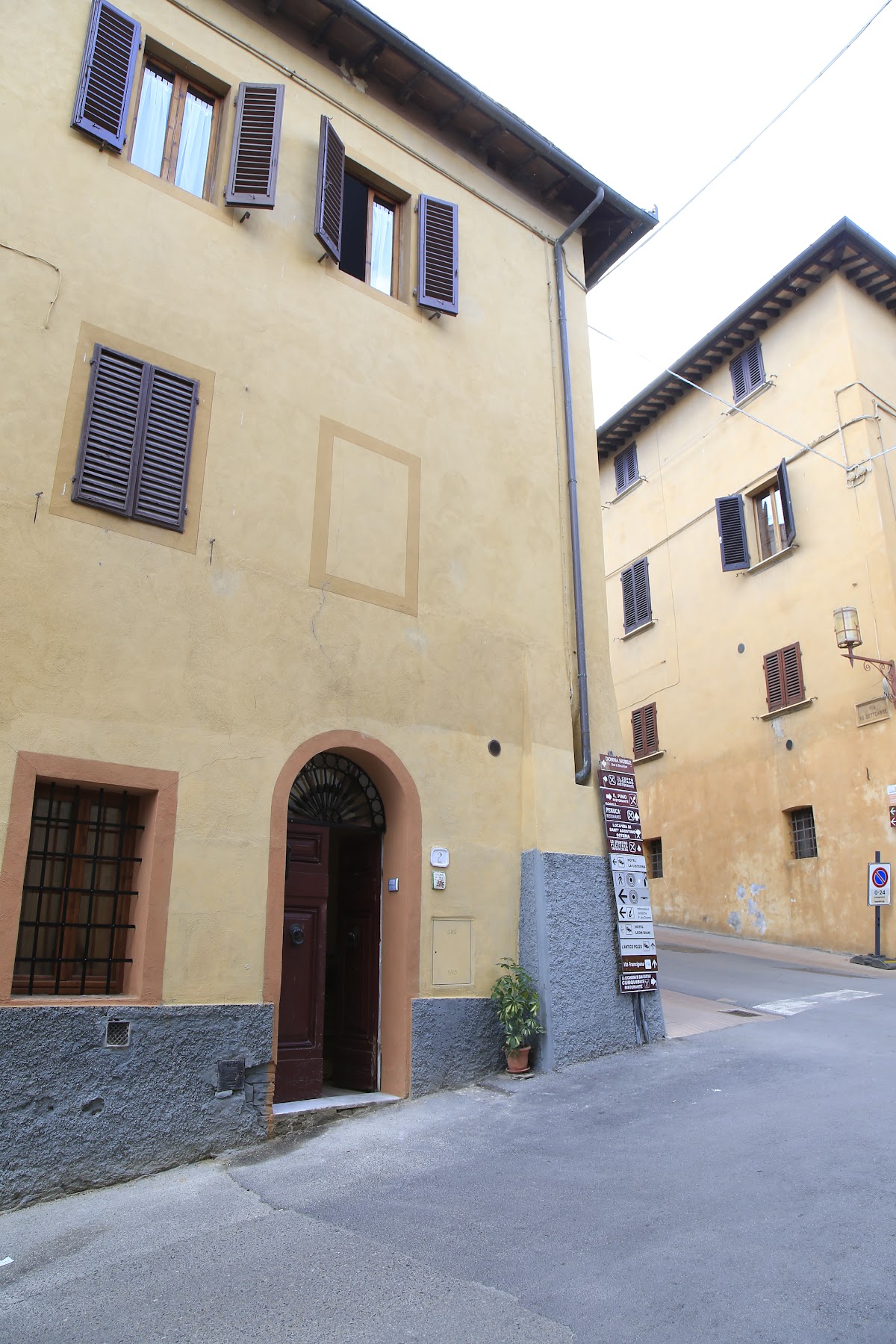
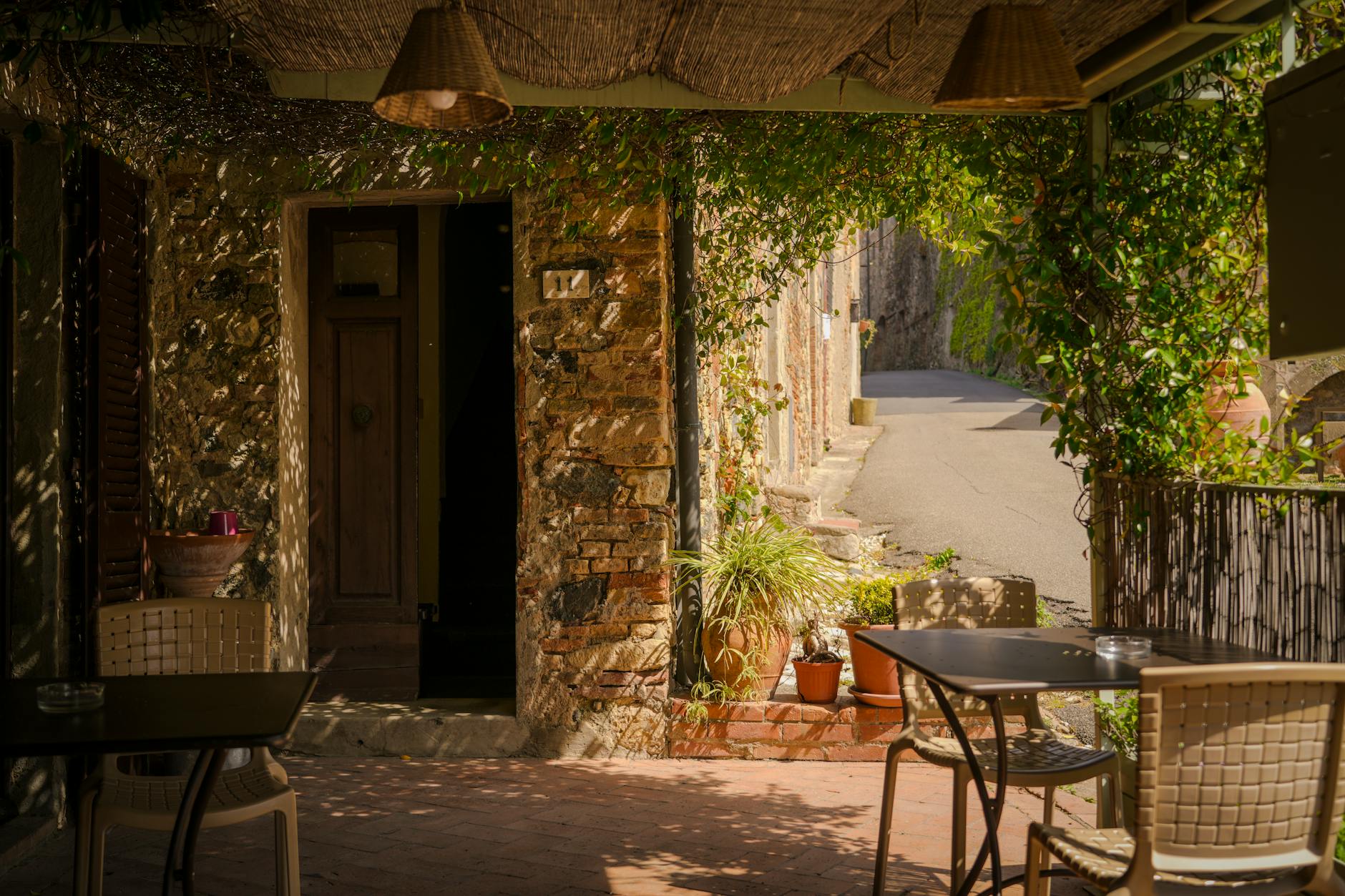
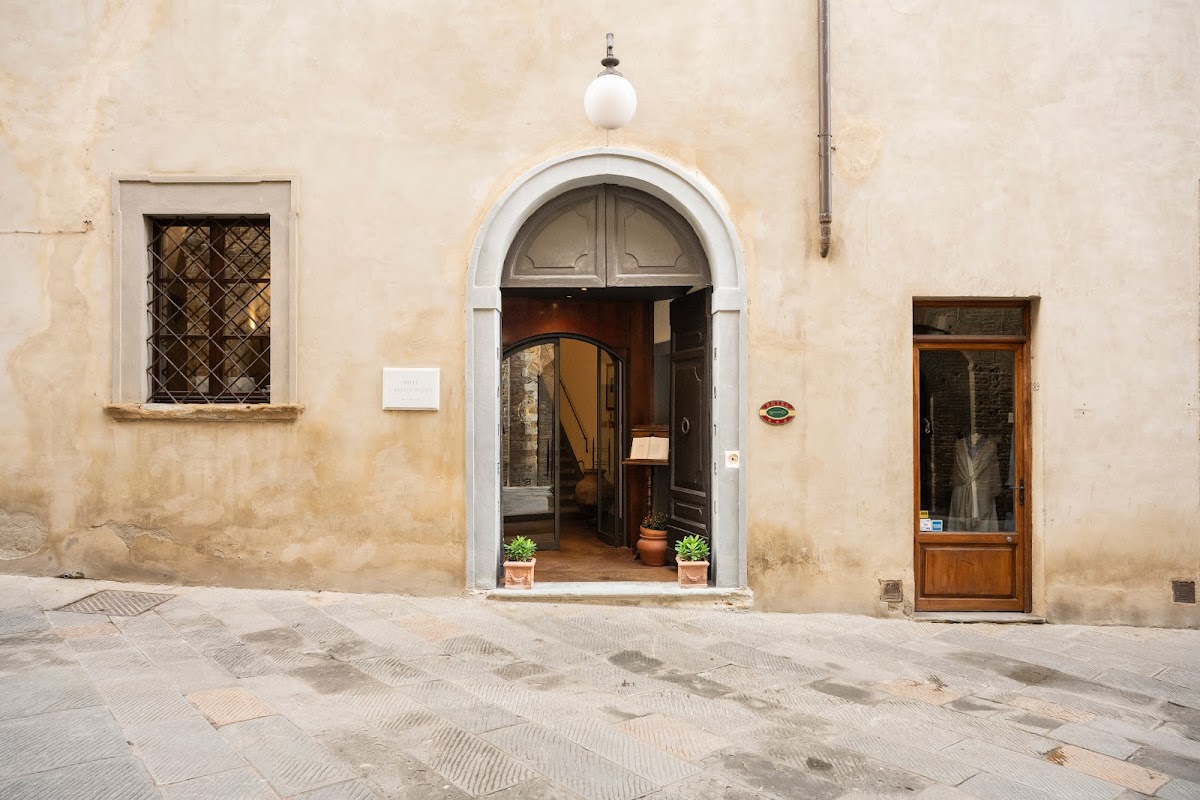
The Etruscan Coast stretches about 40 kilometers along southern Tuscany, from Livorno to Piombino, creating a fascinating mosaic of landscapes: golden sand beaches alternate with jagged cliffs, fragrant pine groves slope toward crystal-clear waters, and gentle hills of vineyards and olive groves rise inland. The landscape is shaped by marine and continental influences, with microclimates favoring lush Mediterranean vegetation. Medieval villages perched on headlands offer spectacular views, while small harbors retain the atmosphere of communities devoted to fishing and maritime trade. The geology varies, with outcrops of metallic rock recalling the region's rich mining heritage.
History and Folklore
This coast was the cradle of Etruscan civilization, which flourished here from the 9th to 1st century BCE, leaving extraordinary necropolises such as Populonia, the only Etruscan city built on the sea. The Etruscans exploited the mineral wealth of Elba and these territories for trade reaching across the Mediterranean. In medieval times, the coast witnessed struggles between Maritime Republics and Barbary corsairs, shaping the fortified villages still visible today. Legend tells of beaches frequented by pirates and smugglers, with ghosts of lost sailors still wandering among the rocks. Local traditions celebrate the Etruscan heritage and the indissoluble bond with the sea, through stories passed down through generations.
What to Eat
The cuisine of the Etruscan Coast celebrates the union of sea and land. Seafood dominates: cacciucco, a Livornese fish soup made with mullet, sea bream and octopus, is the symbolic dish of the coast. Bottarga di muggine DOP, local caviar, flavors fresh pasta. The inland offers noble meats and cheeses: Pecorino Toscano DOP has salty notes recalling sea-side pastures. Tuscan cured meats, from porchetta to guanciale, complete the table. Focaccia filled with olives and rosemary accompany every meal, while sweets like amor di polenta and anise biscuits festively close dinners.
What to Drink
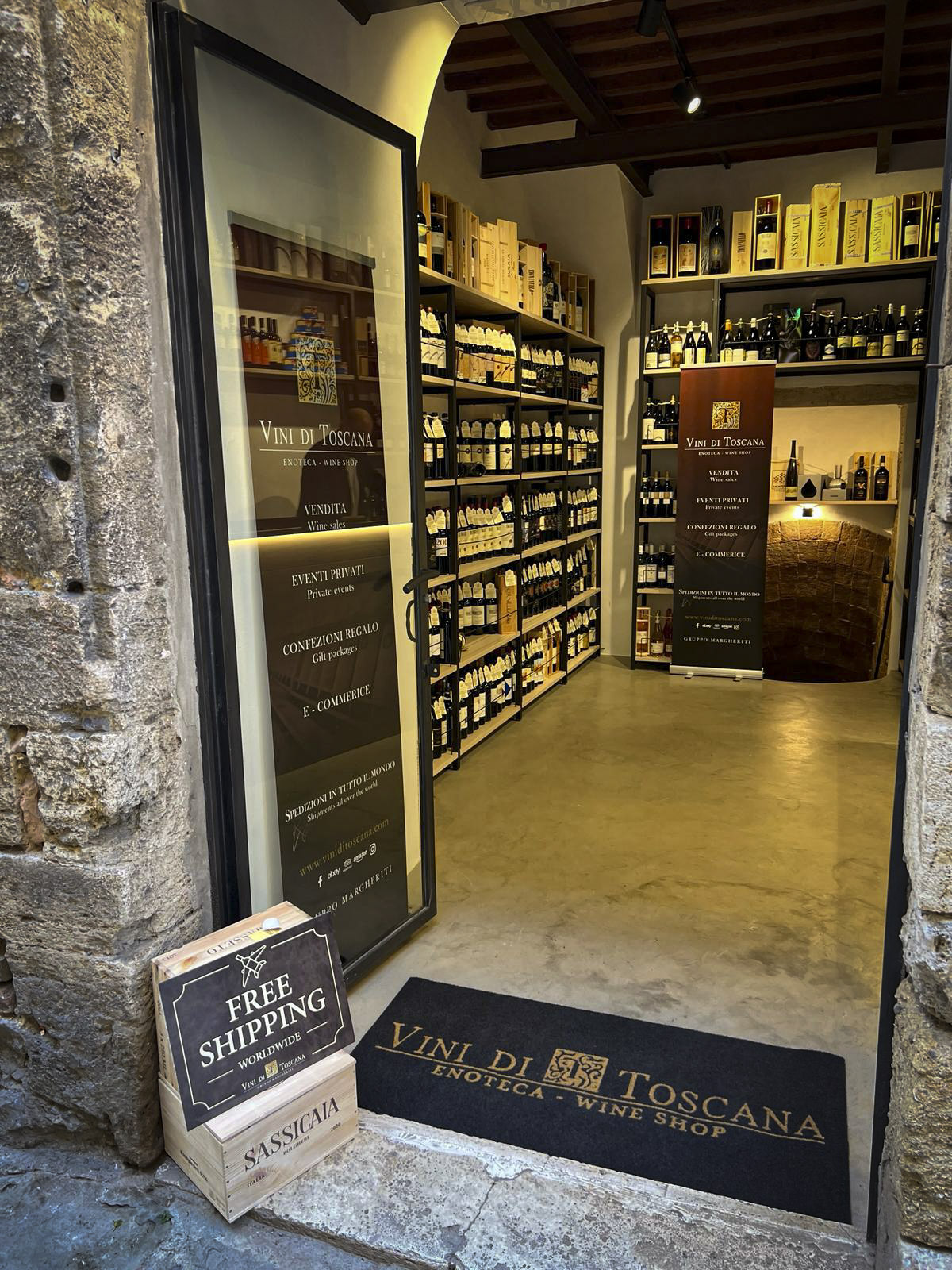
The wines of this area reflect the unique terroir between sea and hills. Bolgheri Sassicaia DOCG is the region's masterpiece, a full-bodied, elegant red from Cabernet grapes. Bolgheri DOC offers renowned blends and fresh Verdicchio. Along the coast, Vernaccia di San Gimignano DOCG gleams in glasses, salty and mineral. For an authentic experience, seek smaller local productions in the wine shops of Castagneto Carducci and Suvereto, where winemakers guard inherited secrets.
When to Visit
Spring (April-May) offers ideal temperatures and spectacular blooms. Summer (June-August) draws crowds to beaches, perfect for swimming but crowded. September is the best month: warm waters, quieter beaches. Autumn brings magnificent sunsets and vintage harvests in vineyards. December welcomes the Etruscan Christmas in Piombino with markets and historical reenactments. The Feast of San Leopoldo (November) in Piombino celebrates the patron saint. Spring and autumn guarantee the best balance of climate and tranquility.
Places Worth Visiting
Populonia is the unmissable gem: the only Etruscan city built directly on the sea, its necropolis is a mystical experience among tumulus tombs and Tyrrhenian views. Bolgheri, the village of legendary wines, enchants with the cypress avenue immortalized by Giosuè Carducci: here Sassicaia breathes history. Suvereto, an intact medieval fortress, offers cobbled alleys and boundless views toward Elba; its castle still dominates the gulf.
Practical tips
Rent a bicycle in Castagneto Carducci to explore panoramic roads between vineyards and cliffs: an unforgettable experience.
Visit wineries in spring to taste wines during blooms and see vineyards in full rebirth.
Don't miss sunrise from Piombino Vecchio: the magical moment when light gilds the still-standing Etruscan towers.
Plan your trip
Personalised day-by-day itinerary in 5 minutes — restaurants, hotels, live events.
Plan now