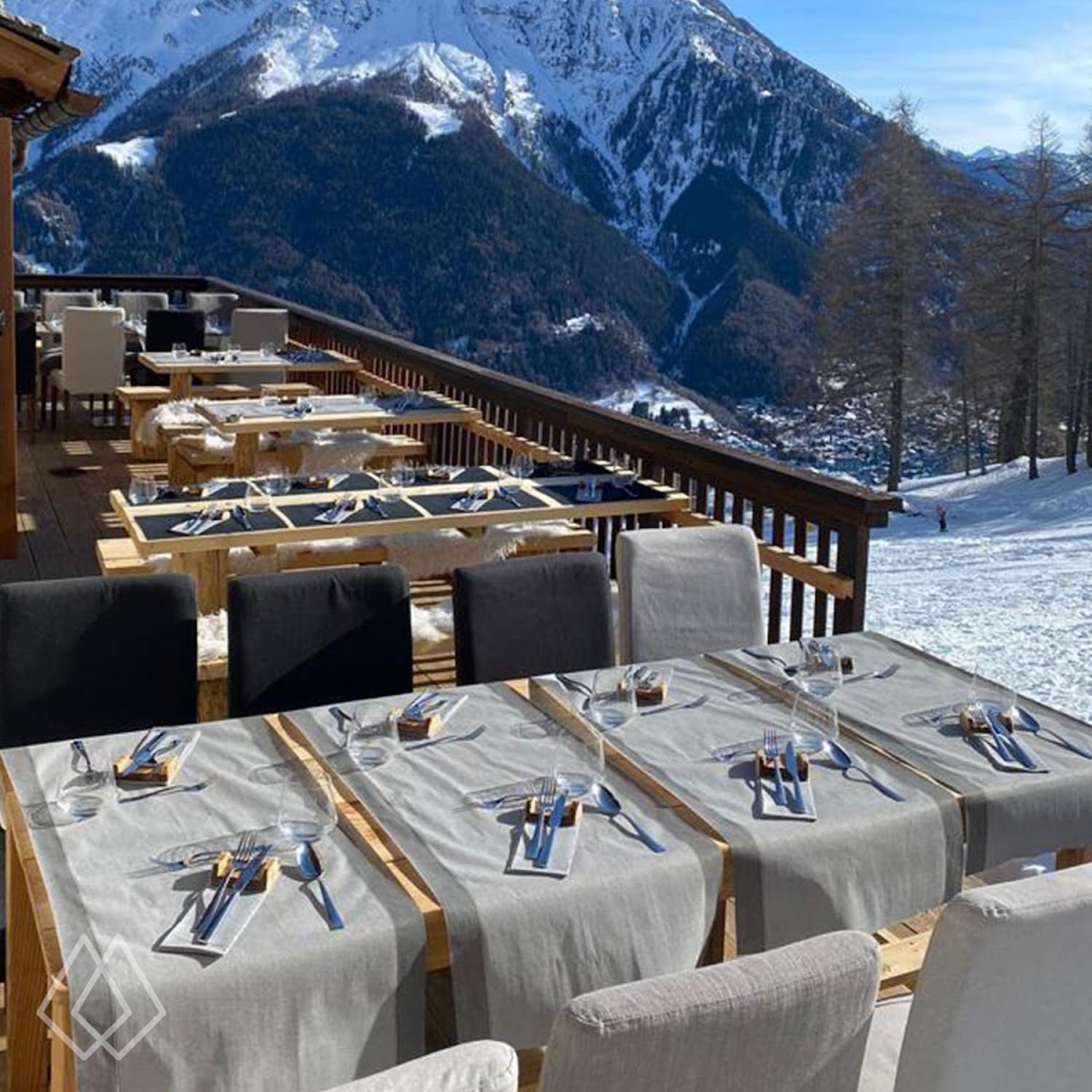
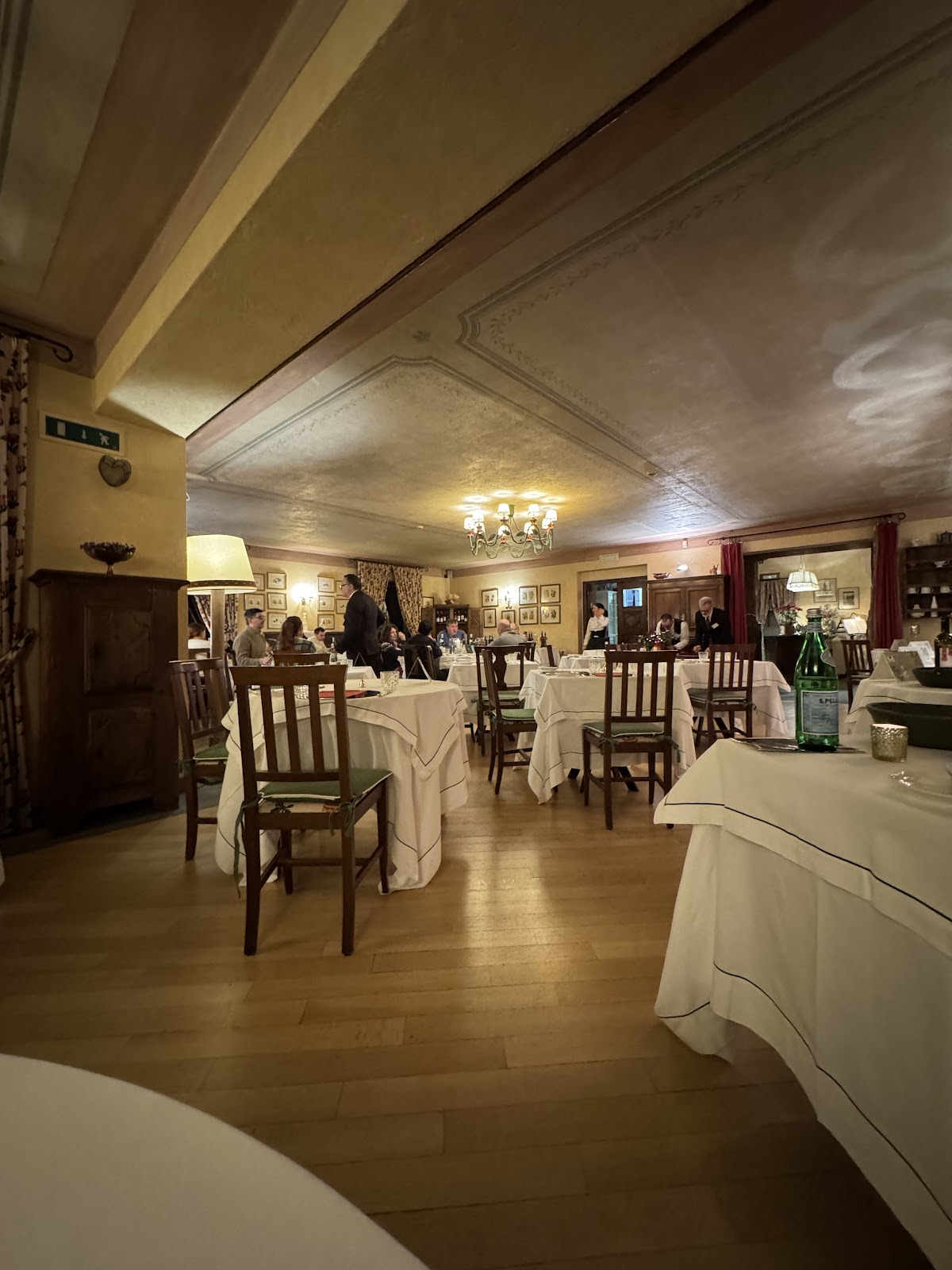
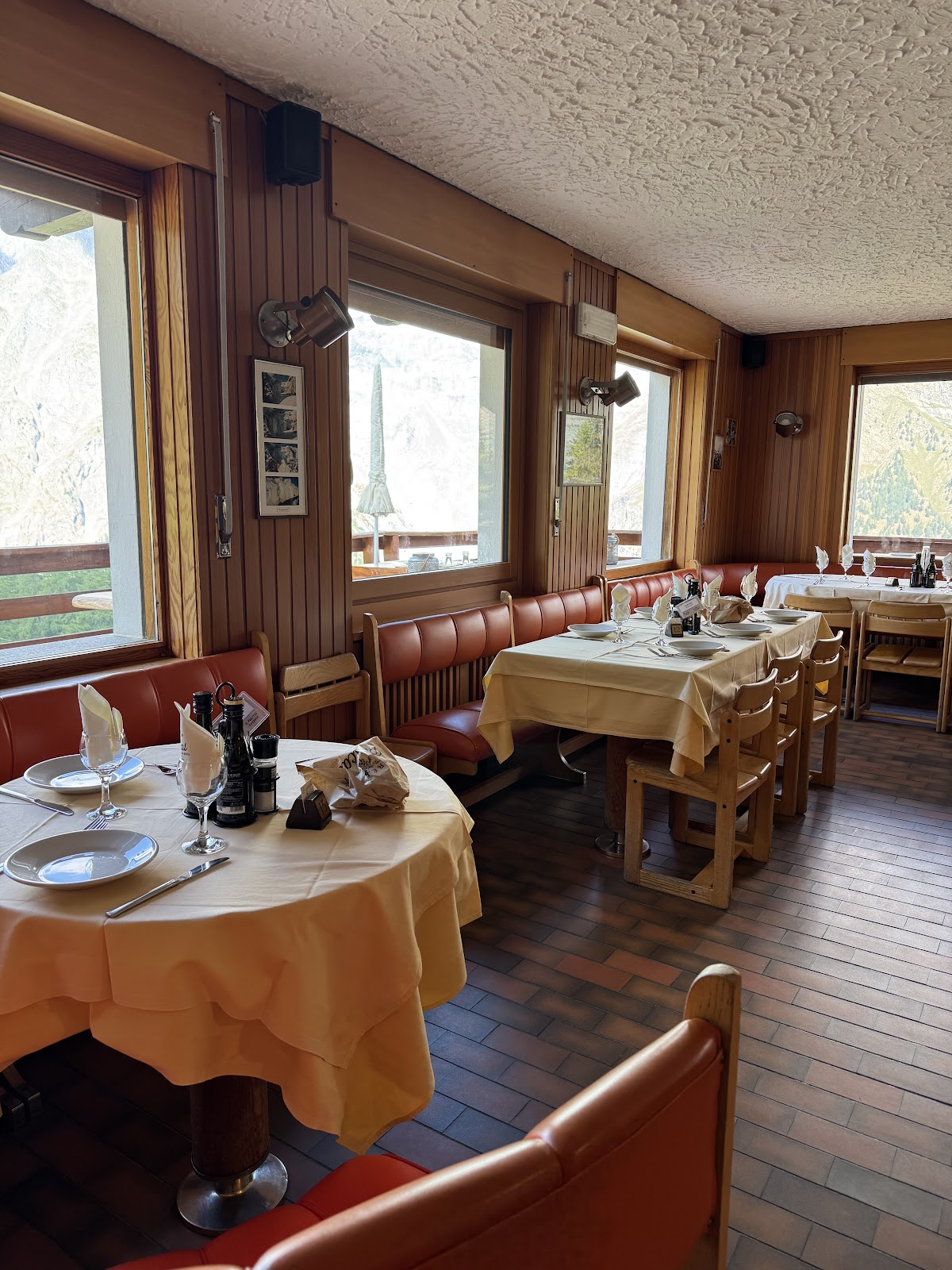
Courmayeur whispers the name of Mont Blanc with reverence, a place where crystalline air carries the scent of alpine meadows and snow-capped peaks seem to touch eternity. Here, among the villages of Entrèves and Planpincieux, Valdostan tradition intertwines with modern adventure, creating an experience that captivates both mountaineers and seekers of beauty. The magic of this valley lies in its ability to transform every moment into an indelible memory.
The Landscape
Courmayeur sits at 1,224 meters of altitude in Valle d'Aosta, nestled between the majestic slopes of Mont Blanc, the highest mountain in the Western Alps. The landscape is dominated by sharp peaks, permanent glaciers, and deep valleys descending toward the Dora Baltea riverbed. Larch and white fir forests surround inhabited areas, while alpine pastures extend at higher elevations, creating a mosaic of fragile and fascinating ecosystems. The Vallée Blanche, visible from the locality, represents one of Europe's largest glacial accumulations. The landscape changes dramatically with seasons, offering ever-new perspectives to visitors.
History and Folklore
Courmayeur's roots run deep into the Middle Ages as a community of shepherds and dairy workers, its name deriving from the Latin 'curtis maior' (great court). In the 16th century, the village of Entrèves was founded by families of sculptors and artisans from Ticino. Local legend tells of Beatrice di Planpincieux, a young woman who left the convent for love, finding refuge among the mountains. The Alpini, a military corps founded in 1872, maintain strong roots here. Dairy and pastoral traditions remain alive, passed down through generations of families who have shaped the valley's cultural identity, celebrating human ingenuity in the alpine environment.
What to Eat
Courmayeur's cuisine celebrates cheese: Fontina DOP from Valle d'Aosta, creamy and rich, stars in the traditional fondue and mountain dishes. Lard d'Arnad DOP, artisanally smoked, pairs perfectly with bread and fermented sauerkraut. Gressoney tomas, semi-hard paste, win with their delicate flavor. Burini (apple fritters) are the ideal dessert after a day of hiking, while polenta concia, enriched with cheese and butter, warms the body on cold evenings. Local cured meats, smoked mountain trout, and dark rye bread complete an authentic and generous gastronomic experience.
What to Drink
Valle d'Aosta produces excellent DOC wines, perfect for accompanying alpine dishes. Chambave Muscat, a white aromatic and delicate, enhances local cheeses. Torette, a medium-bodied red with red fruit notes, pairs well with cured meats. Chambave Rosso, more structured, accompanies richer dishes. For those preferring spirits, Valle d'Aosta Grappa, artisanally distilled from local vineyards, offers a memorable finish. Génépi, an alpine herb liqueur, is a traditional digestif. Courmayeur Water, pure glacial spring, refreshes with authenticity.
When to Visit
Courmayeur shines in every season with its unique character. In winter (December-March), snow transforms the valley into a ski paradise; the Alpine Skiing World Cup attracts global athletes. Spring (April-May) restores color to meadows; the Mountain Flower Festival (May) celebrates biodiversity. Summer (June-August) is ideal for hiking and climbing; the Courmayeur Classic Music Festival (July) enchants visitors. Autumn (September-November) offers golden panoramas; the Chestnut Festival (October) honors traditions. Each month offers memorable experiences, though July and August see peak crowds.
Places Worth Visiting
The Tramway Road to the Glaciers (Vallée Blanche) is an unmissable route offering views of the Vallée Blanche and Monte Rosa. The Skyway Mont Blanc cable car (opened in 2015) reaches Punta Helbronner at 3,462 meters with one of the world's steepest rotations. The village of Entrèves, with its cobblestone streets, artisan shops, and the Church of the Nativity of Mary, embodies true Valdostan soul. Maison Vieille Refuge offers authentic hospitality and traditional dishes. Planpincieux, overlooking glacial abysses, allows excursions toward the homonymous Glacier.
Practical tips
Book guided excursions with official mountain guides; the mountain demands respect and expertise. Summer season offers best conditions, but temperatures vary rapidly.
Bring layered clothing and sturdy trekking shoes. Mountain weather is unpredictable; even in summer it can snow at high elevations.
Taste Fontina DOP at local dairies and purchase DOP products directly from producers to ensure authenticity and freshness.
Plan your trip
Personalised day-by-day itinerary in 5 minutes — restaurants, hotels, live events.
Plan now