Tuscan cuisine is not simply food: it is the language of the land, of history and of love for genuine ingredients. From the hills of Siena to the Valdarno, from Lucca to Florence, each province tells a story through dishes that have remained unchanged for generations. In the heart of Tuscany, where cypress trees rise against blue skies and olive trees cover the landscape, gastronomic tradition is based on a fundamental principle: let the ingredient speak. You will not find elaborate sauces or baroque techniques. You will find unsalted Tuscan bread, fat and bloody Florentine steaks, barley and pearl barley soups that hold peasant wisdom. This guide will take you to markets where seasonal vegetables are still sold, to the gardens of Lucca where spelt grows, to cellars carved into sandstone where Chianti rests, and to restaurants where contemporary cooks reinterpret recipes that their grandparents cooked by the fire.

The Soul of Local Cuisine: History, Identity, and Iconic Dishes
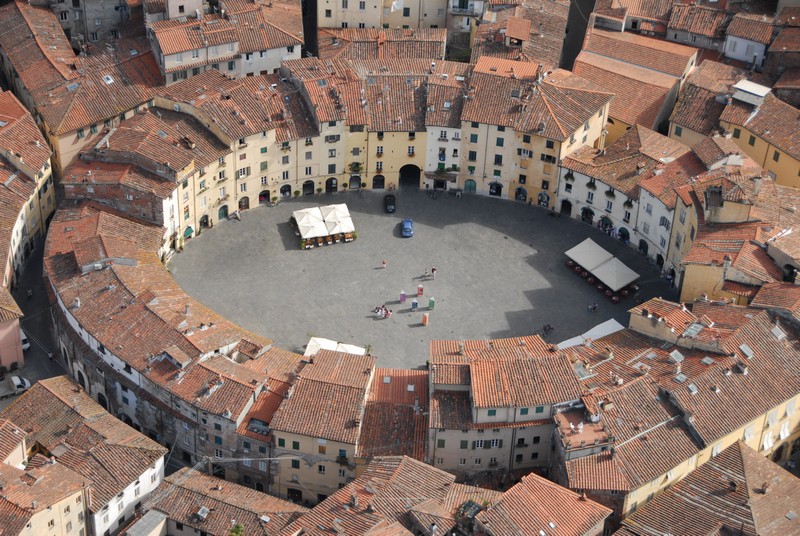
Tuscan cuisine has its roots in a medieval economy based on self-sufficiency and the transformation of raw materials. Tuscan bread, pappa al pomodoro, and ribollita were born from the need not to waste. Bistecca alla fiorentina, on the other hand, represents the luxury of red meat cooked over live flames. In the Lucca region, rural tradition has generated unique dishes such as tordela (fresh buckwheat pasta filled with meat) and barley soups, ingredients that are still found today in the menus of Osteria la Dritta and Trattoria da Nonna Clara, where family recipes remain unchanged. In Siena and Val d'Orcia, pici all'aglione, pappardelle with game ragù, and cacio e pepe rigorously made with Sienese pecorino cheese dominate. In Florence, near the Duomo where the Albergo Firenze stands, lampredotte (stewed beef tripe) are still sold in sandwiches at historic markets. The key to Tuscan cuisine is seasonality: vegetables change with the natural cycle, fresh cheeses become aged, wines mature following the harvest. Osteria dell'Indulgenza and L'Angolo Tondo in the heart of the Lucca Roman Amphitheater embody this philosophy, serving dishes that vary with the seasons and available ingredients.

Markets and Producers: Where to Find the Best Ingredients
Tuscan markets are still today the beating heart of local cuisine. In Lucca, in Piazza San Michele and at the weekly markets on Via Galli, it is possible to purchase Tuscan spelt IGP directly from the farmers who cultivate it in the hills of Sant'Andrea di Compito. Spelt, the base of soups and stews, represents the most authentic agricultural heritage of the province. Local producers such as those from the Lucchese Agricultural Cooperative still follow certified organic methods today. In Florence, the Mercato Centrale remains the masterpiece of gastronomic shopping: stalls of Chianina beef steaks, fresh ricotta from the Crete Senesi, pecorino cheese aged 12 to 36 months. For those staying at Le Camere di Caterina or other historic hotels in the Lucca city center, reaching the neighborhood markets is a matter of minutes on foot. Lucca's weekly market (Monday, Wednesday, Friday in Piazza Napoleone) offers seasonal vegetables, autumn porcini mushrooms, white truffles from San Miniato in November. Extra virgin olive oil producers are concentrated in the areas of Castelnuovo di Garfagnana and Barga: guided visits to the mills are available from October to January. Tuscan pecorino DOP, internationally recognized, comes mainly from the artisanal dairies of Pienza and Montepulciano.

Where to Eat: The Restaurants that Define Regional Cuisine
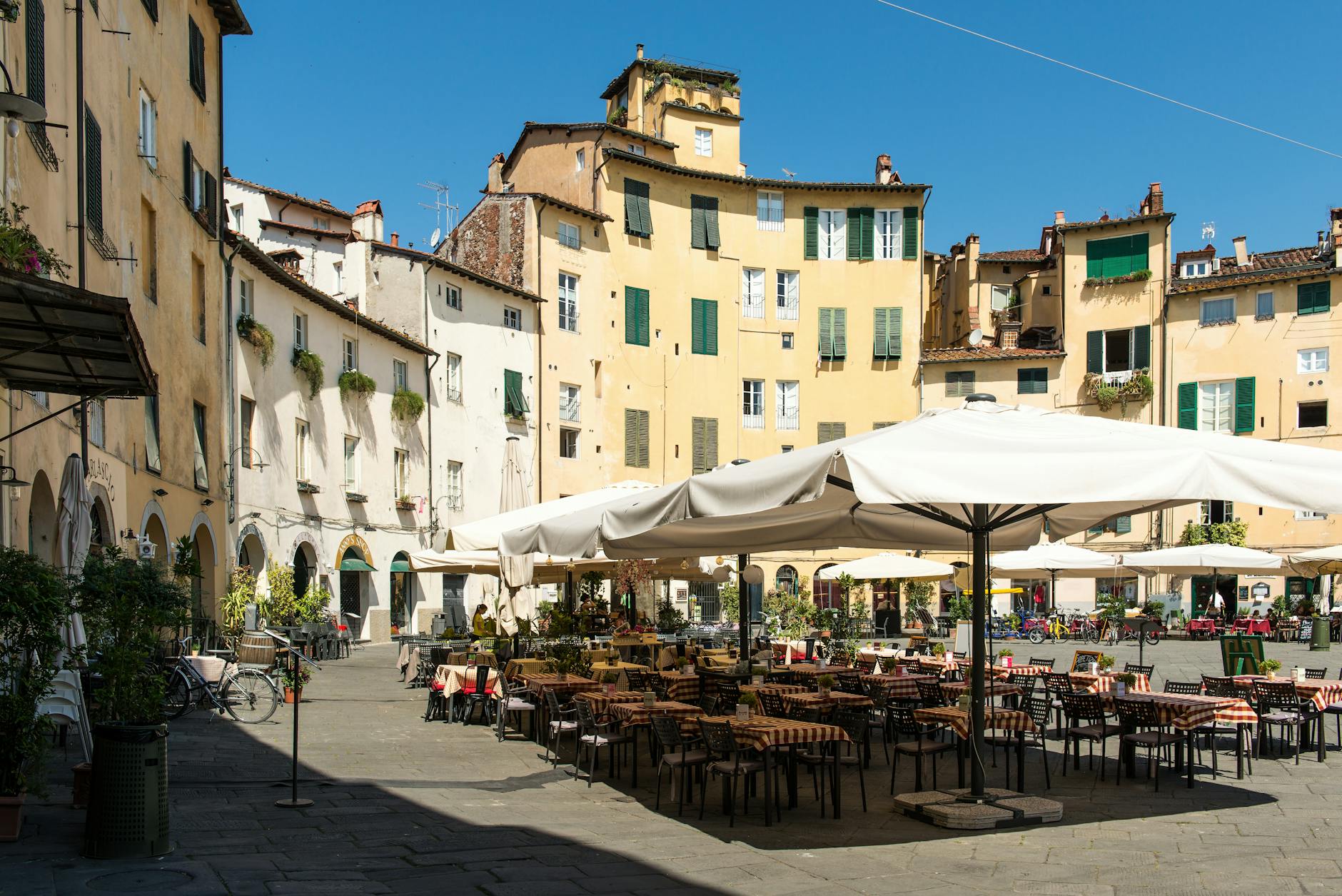
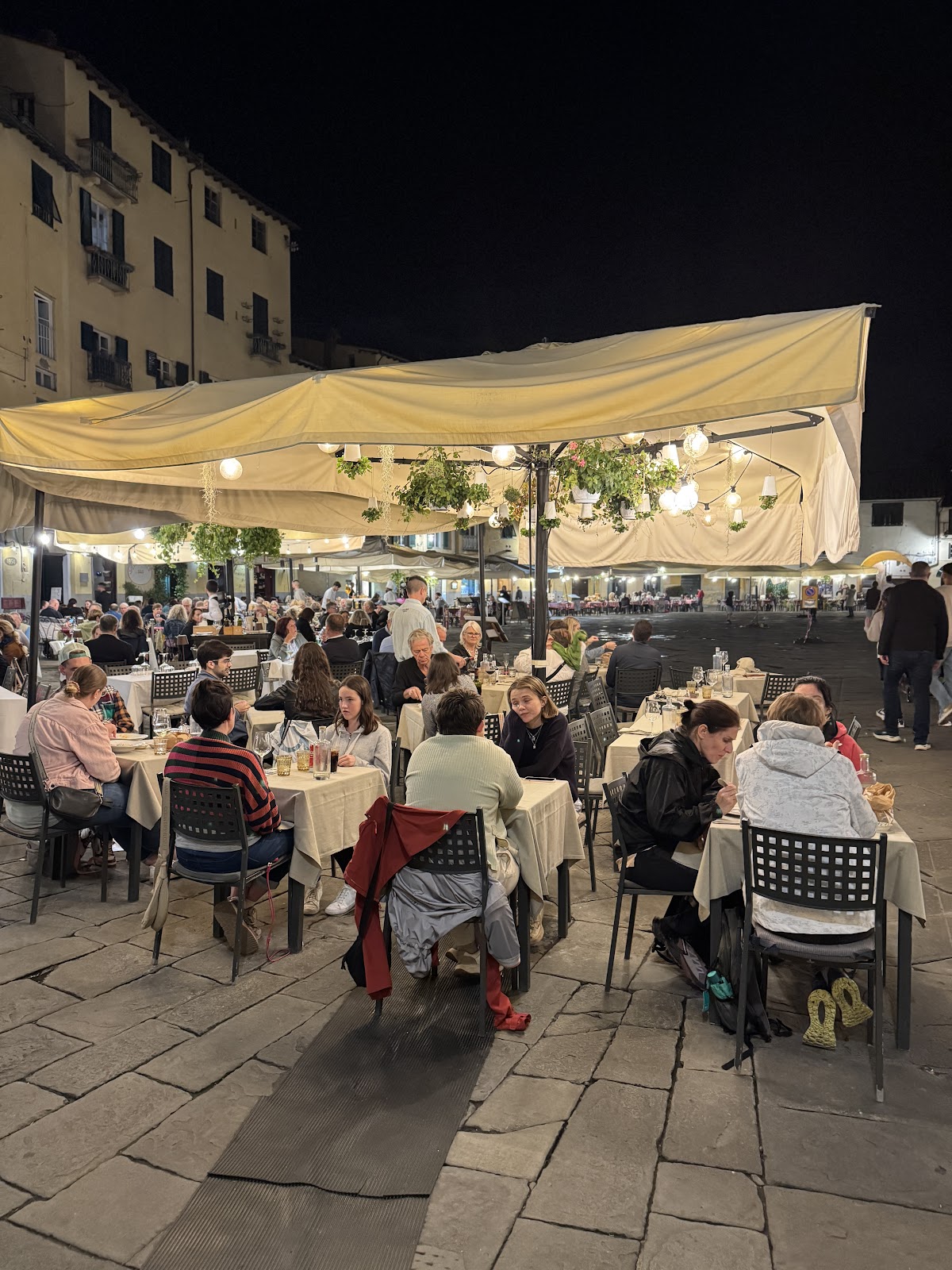
Lucca, with its excellent restaurants, represents the heart of contemporary Tuscan gastronomy. Osteria dell'Indulgenza (5.0 stars) embodies the purity of Lucchese cuisine: grilled meats cooked over open flame, traditional soups prepared daily with vegetables from the morning market, locally selected wines with rigorous standards. Sottosotto, located in Piazza dell'Anfiteatro – one of Tuscany's most charming public spaces – blends modernity and tradition in a menu that reinterprets local classics with contemporary techniques. L'Angolo Tondo, also in the Anfiteatro, offers dishes that celebrate seasonality: in spring wild asparagus with eggs, in autumn porcini mushrooms with spelt, all prepared with ingredients personally selected by the chefs. Osteria la Dritta (4.8 stars) keeps alive the most authentic Lucchese tradition in a convivial atmosphere: barley spelt, tordela, and pappardelle with ragù remain the mainstay dishes of the menu. Trattoria da Nonna Clara represents cuisine of memory: each dish tells stories of farming families, recipes passed down orally, locally sourced seasonal ingredients. Quanto Basta Lucca (4.7 stars) offers refined cuisine that celebrates Tuscan excellence through sophisticated techniques without betraying local soul. L'Oste di Lucca - Corte Compagni, nestled in a medieval courtyard, serves traditional Lucchese dishes reinterpreted with contemporary sensibility, while maintaining the rigor of tradition.

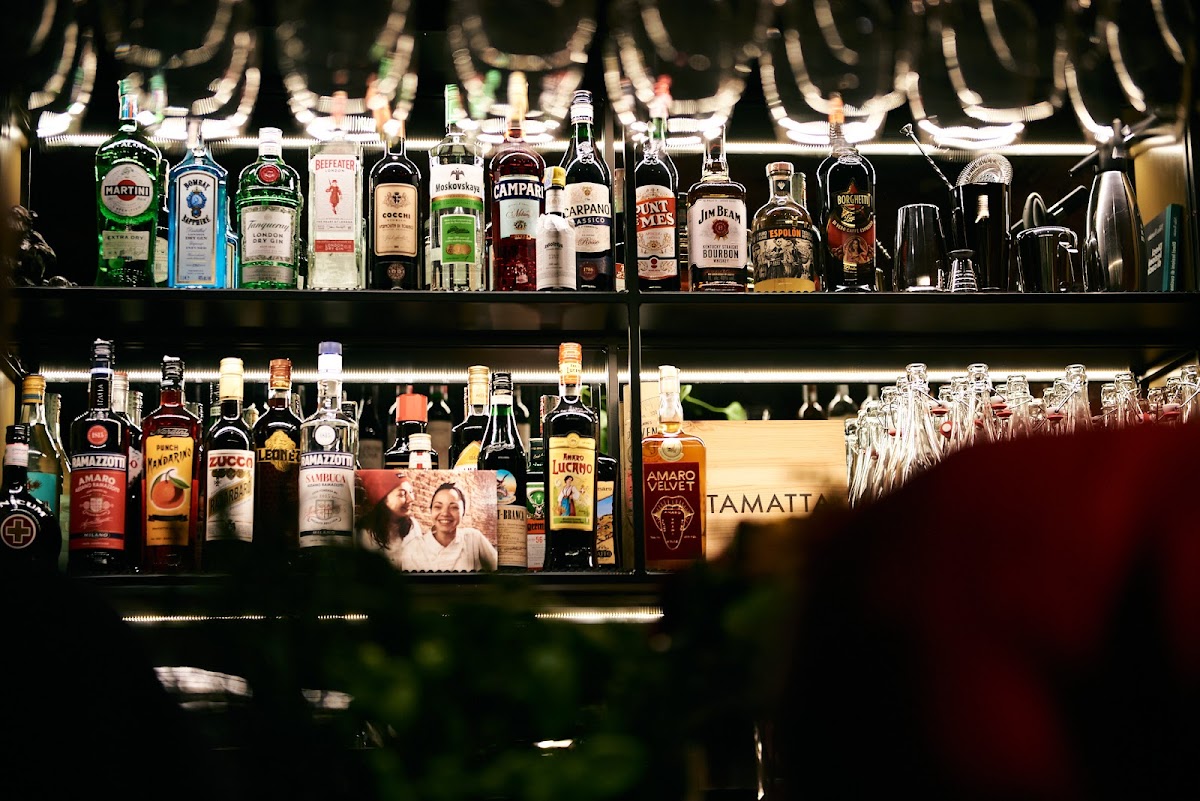
# Wines and Pairings: How to Taste Tuscany Discover the flavors of Tuscany through its most famous wines. The Tuscan wine region is renowned worldwide for producing exceptional quality wines, from the prestigious Brunello di Montalcino to the elegant Vino Nobile di Montepulciano. The art of wine tasting in Tuscany goes beyond simply sipping a glass. It is an experience that combines the region's history, tradition, and passion for viticulture. Each wine tells a story of the land, the climate, and the skilled hands that cultivated it. To truly appreciate Tuscan wines, it is essential to understand the proper food pairings. A glass of Chianti Classico pairs perfectly with hearty Tuscan dishes such as bistecca alla fiorentina or wild boar ragù. The tannins in the wine complement the richness of the meat, creating a harmonious balance on the palate. For those who prefer lighter options, a crisp Vernaccia di San Gimignano is ideal with fresh seafood or vegetable-based dishes. The wine's acidity cleanses the palate and enhances the delicate flavors of the food. Visiting a traditional enoteca, or wine bar, in the heart of Tuscany offers an authentic opportunity to taste these magnificent wines while learning from local experts. Many establishments also offer tastings paired with local cheeses and cured meats, providing a complete gastronomic journey through the region. Whether you are a seasoned wine enthusiast or a curious beginner, Tuscany welcomes you to explore its wine heritage and savor every moment of this unforgettable experience.
Tuscan wine is not an accessory: it is the philosophical completion of local cuisine. Chianti Classico DOCG, with its notes of sour cherry and soft tannins, perfectly accompanies ribollita and pappardelle with game ragù. The cellars carved into sandstone around Florence and Siena represent centuries of winemaking tradition: many offer visits and tastings. Brunello di Montalcino, more powerful and structured, requires robust dishes such as bistecca alla fiorentina, where its body confronted by fatty meats creates perfect balance. Vino Nobile di Montepulciano, elegant and floral, accompanies grilled meats served in restaurants such as Osteria dell'Indulgenza. For those desiring complete wine experiences, the wine regions of Chianti, Brunello and Vino Nobile offer guided tours in vineyards and historic cellars: contactable through hotels such as Albergo Firenze and Le Camere di Caterina. Vernaccia di San Gimignano, dry white and mineral, perfect with fresh cheeses and seasonal vegetables, represents Tuscan white wine excellence. Tuscan rosés, often undervalued, wonderfully accompany dishes based on freshwater fish such as trout or sea bass from lake areas. In the historic orchards of Lucca, cultivated for centuries, indigenous vines such as Ansonica and Vermentino can still be found, vinified by small artisanal producers who maintain local winemaking traditions that have almost disappeared.
Practical tips
Visit the neighborhood markets of Lucca (Piazza San Michele, Piazza Napoleone) on weekdays to purchase Tuscan spelt IGP and seasonal vegetables directly from local producers.
Book a table at Osteria dell'Indulgenza (Lucca, 5.0 stars) at least a week in advance: the restaurant is small, welcoming, and highly sought after by locals who jealously guard this gastronomic gem.
Stay at Le Camere di Caterina or Albergo Firenze to easily access the markets, historic restaurants, and gastronomic walking tours in the heart of medieval cities.
Taste the barley and spelt (orzata) as a soup in autumn at Trattoria da Nonna Clara: this dish embodies Tuscan peasant wisdom and requires perfect seasonal ingredients.
Plan a visit to the historic wineries of Chianti or Brunello from October to January: the harvest and winemaking period offers authentic wine experiences with tastings guided by local experts.
Plan your trip
Personalised day-by-day itinerary in 5 minutes — restaurants, hotels, live events.
Plan now