Maremma is the wild heart of Tuscany, a region where gentle rolling hills give way to harsher, more captivating landscapes. Here cowboys still ride across stretches of Mediterranean scrub, wines have strong personality, and villages maintain an authenticity lost elsewhere. It is where Tuscany shows its truest and least touristy face.
The Landscape
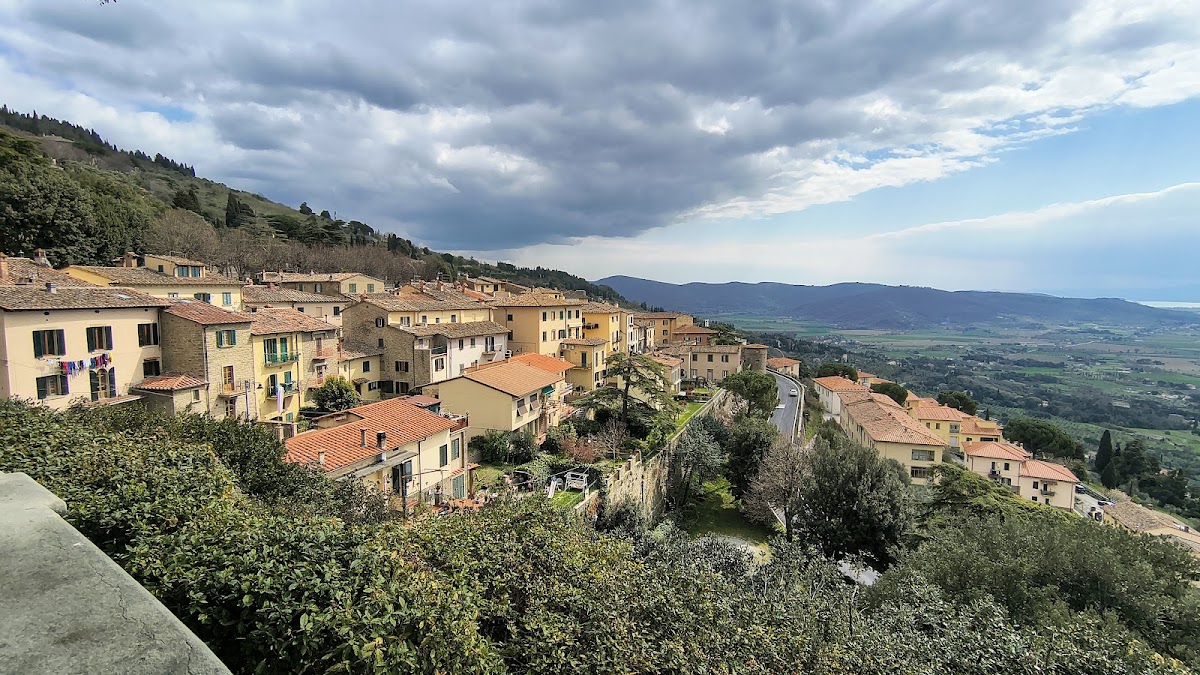
Maremma stretches from the Argentario coast to the slopes of the Monti dell'Uccellina, embracing an extraordinary variety of natural environments. Pine forests, ecologically valuable wetlands, and hills covered in Mediterranean scrub coexist here. The Parco Regionale della Maremma protects unique ecosystems where deer, roe deer, and wild boar roam freely. The Ombrone and Bruna rivers wind through the landscape, creating a mosaic where nature remains untamed. Rocky coasts alternate with long sandy beaches, particularly around the Tuscan Archipelago islands. This territory, once malarial and depopulated, was transformed by land reclamation in the twentieth century, yet retains a primal quality that makes it captivating.
History and Folklore
Maremma has a fascinating history dating back to the Etruscans, who exploited the mineral riches of the hills. Later, barbarian invasions and malaria decimated the population, prompting the Medici to promote land reclamation in the sixteenth century. Local folklore is dominated by the buttero—the Tuscan cowboy who still represents the region's rural identity. Local legends speak of ghosts in marshes, hidden treasures, and lands meant to be civilized. The landscape bears the marks of this constant struggle between man and nature: coastal towers built against Saracen pirates still stand on cliffs. Peasant culture survives in ancestral rituals tied to pastoralism and agriculture, keeping alive traditions dating back centuries.
What to Eat
In Maremma, cuisine tells the story of land and memory. Acquacotta, a humble vegetable soup rooted in the territory, represents peasant wisdom transformed into delicacy. Wild boar is the king of the table: hunted in the scrub, it's stewed for hours until tender. Don't miss Pecorino di Pienza DOP, a cheese ranging from fresh to aged. Cinta Senese DOP, an indigenous pig breed, produces extraordinary cured meats: Finocchiona, aromatic with wild fennel. Tuscan bread, strictly salt-free, accompanies every dish and testifies to ancient traditions. Maremma olives produce robust and characteristic oils, ideal for raw bruschetta.
What to Drink
Maremma produces wines of extraordinary character. Morellino di Scansano DOCG is the region's enological glory: a Sangiovese that breathes the soul of Tuscan red earth, with noble tannins and persistent finish. Rosso di Pitigliano DOC offers fascinating alternatives, with scrub and spice notes. For whites, Vermentino di Pitigliano DOC impresses with mineral freshness and aromatic herbs. Don't overlook the region's natural wines from passionate small producers, which tell the authenticity of this territory without pretense.
When to Visit
May and June are perfect for spring in Maremma: the scrub blooms with incredible colors and the climate is mild. August hosts the Palio dei Butteri in Grosseto, where Tuscan cowboys compete in spectacular equestrian events. September and October offer golden autumn with harvests and wine festivals like Scansano's Morellino Wine Festival. Winter is peaceful and charming, perfect for exploring villages without crowds. June brings the Pitigliano Lyric Festival, an unforgettable cultural experience in the town's evocative streets.
Places Worth Visiting
Scansano is Maremma's wine heart, surrounded by vineyards producing the celebrated Morellino: visit local wineries and be fascinated by the viticultural landscape. Pitigliano, perched on red tuff, amazes with medieval atmosphere and Etruscan excavations within the rock; the underground Synagogue tells the Jewish community's story. Grosseto, the provincial capital, offers a walled historic center and Archaeological Museum preserving Etruscan treasures. Maremma Park, with its 10 km of coastal trails, lets you experience the region's wild beauty firsthand.
Practical tips
Rent a car to explore Maremma: villages are scattered and the best scenery is discovered on secondary roads away from highways.
Visit wineries during harvest season (September-October) to experience the authentic emotion of winemaking in Maremma.
Book restaurants in advance, especially in high season: authentic places have limited seating and don't always accept walk-ins.
Plan your trip
Personalised day-by-day itinerary in 5 minutes — restaurants, hotels, live events.
Plan now