Parma and its territory host one of Italy's most refined culinary experiences, where Parmigiano Reggiano DOP and Prosciutto di Parma DOP are absolute stars. Surrounded by rolling hills and the fertile Po Valley plain, this province enchants with its ducal squares, elegant theatres, and a gastronomic tradition that has shaped Italian cuisine. Here, among vineyards producing Emilia's finest wines and historic farmhouses, life's sweetness is felt at every turn.
The Landscape
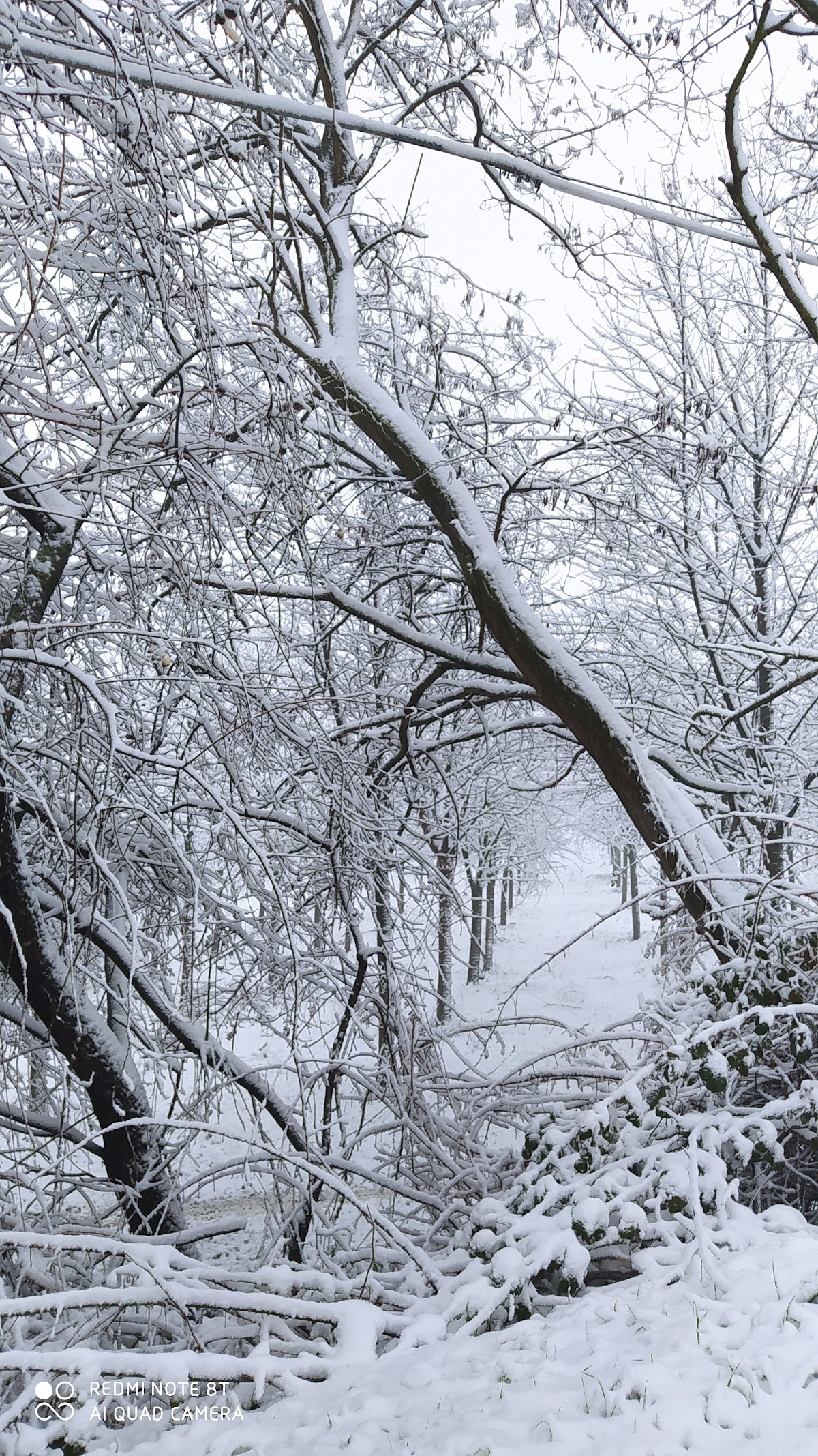
Parma province extends from the Po Valley plain to the first slopes of the Apennines, creating a captivating landscape variety. In the north, the alluvial plain features cultivated fields and historic farmhouses; in the south, the wooded hills of Parmense offer breathtaking views and medieval villages like Soragna, Fontanellato, and Fidenza. The Parma River marks the territory with its tranquil presence, while the volcanic red earth of the "Gessi" creates a unique environment for livestock raising and cheese production. Vegetation ranges from corn and barley fields to oak, hornbeam, and chestnut forests characterizing the hill zones.
History and Folklore
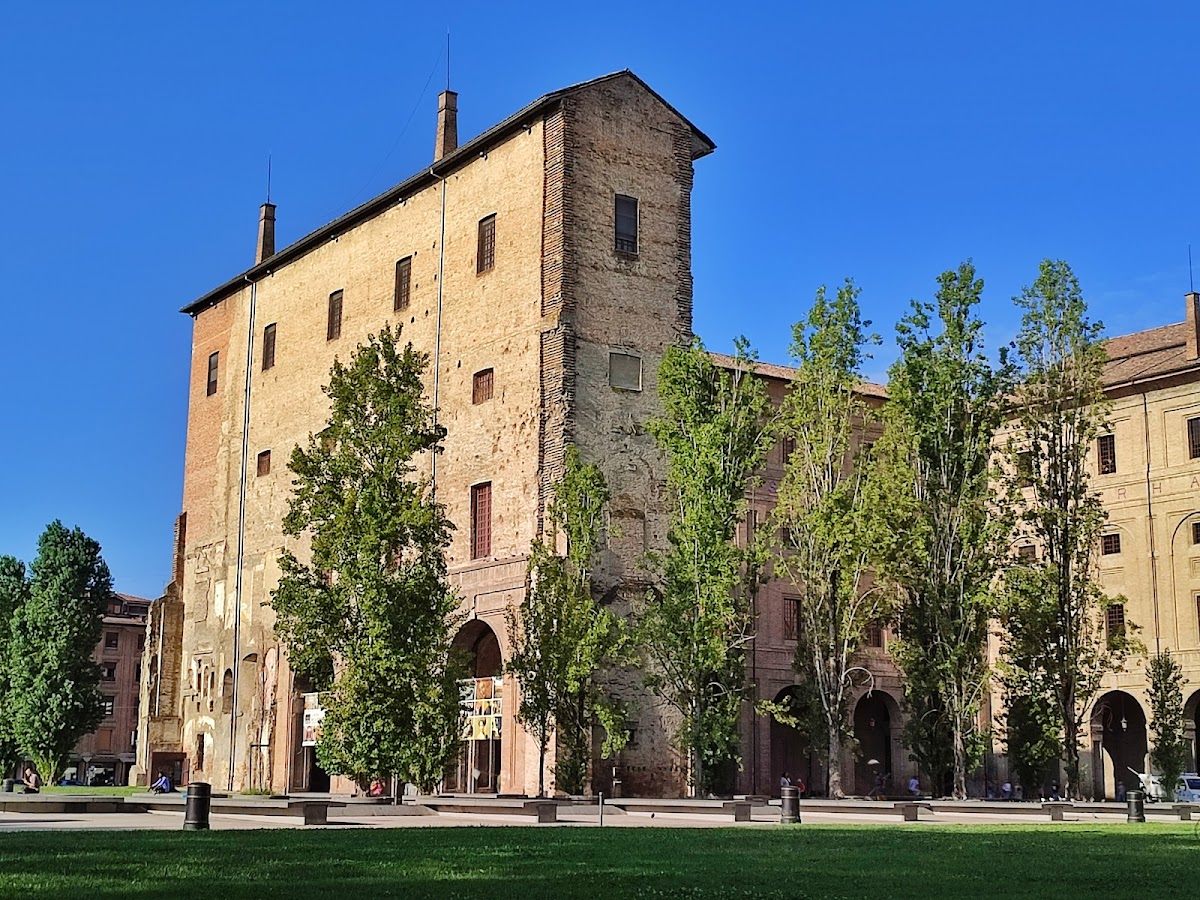
Parma boasts a fascinating history rooted in Roman times as Augustus's colony. During the Middle Ages, the city became a free commune and later an important duchy under the Farnese family, transforming Parma into a treasure chest of art and culture. The famous Farnese hall in the Palazzo della Pilotta still testifies to that period's magnificence. Captivating legends survive in local folklore: the Legend of Fidenza's Torrazza tells of a magical tower, while stories of Bardi's witches endure in mountain lore. The cult of Saint Bernard of Offida, the province's protector, dates to the Middle Ages and is still celebrated in local processions with centuries-old rites and devotions.
What to Eat
Parmense cuisine is an ode to authentic flavors and DOP excellences. Prosciutto di Parma DOP, with its delicate pink slicing and sweet-salty taste, is the absolute protagonist of local tables. Parmigiano Reggiano DOP, aged in historic cellars of Soragna and Fidenza, offers salt crystals and caramel notes that enhance every dish. Mortadella di Campofiorito DOP and Culatello di Zibello DOP complete the bouquet of noble meats. Tortelli d'erbetta filled with ricotta and vegetables, anolini in capon broth, meat tortellini reflect peasant tradition reinterpreted with mastery. Impossible to overlook the pear of Emilia Romagna DOP and hill truffles.
What to Drink
Lambrusco di Modena DOCG represents the region's sparkling soul, with red berry notes and lightness making it perfect as an aperitif or with cured meats. Colli di Parma DOC offers elegant white wines based on Malvasia and Sauvignon, ideal with fish and vegetables. For red wine lovers, Barbera del Colli Piacentini DOC presents soft tannins and cherry aromas. Don't forget Traditional Balsamic Vinegar of Modena DOP, a concentrated nectar accompanying refined dishes. In Torrile and Soragna cellars, visits to historic vinegar makers reveal the secret of bottles aged for decades.
When to Visit
Parma offers different enchantments each season. Spring (April-May) brings color to fields and welcomes the Verdi Festival (May) dedicated to the great composer born in Le Roncole. Summer (June-August) brings Fidenza's Palio, a fascinating medieval reenactment, and open-air concerts in Renaissance courtyards. Autumn (September-October) is truffle festival season in Soragna and harvest time in hill vineyards. Winter (November-February) brings Christmas magic with artisan markets and gastronomic fairs celebrating Parmigiano Reggiano. Each month celebrates a product or art, keeping the territory vibrant and welcoming.
Places Worth Visiting
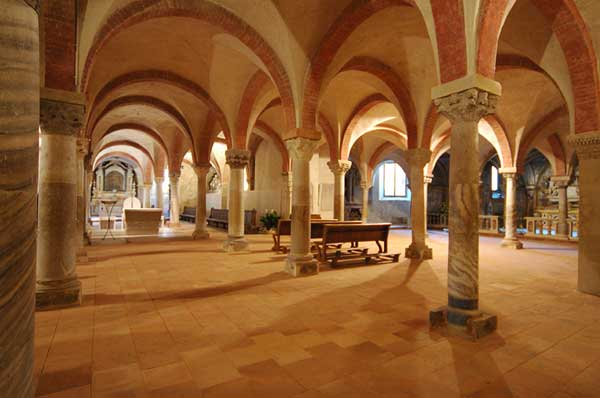
Parma's Cathedral, a Romanesque masterpiece with its octagonal Baptistry decorated by Benedetto Antelami, dominates the historic center with timeless elegance. Palazzo della Pilotta, with the suggestive Farnese Room and the National Gallery collections, represents ducal power in all its grandeur. In the hilly territory, Soragna enchants with its castle-fortress and historic vinegar cellars where Balsamic Vinegar ages; while Fontanellato fascinates with the Sanvitale Castle and its intact hedge maze. Fidenza, with its Gothic cathedral dedicated to San Donnino, represents an important stop on the Santiago de Compostela route.
Practical tips
Visit a historic cheese factory in Soragna to witness the direct production of Parmigiano Reggiano DOP: you'll see master cheesemakers work according to recipes passed down for generations.
Book a tasting at a traditional vinegar maker in Torrile: discover how Traditional Balsamic Vinegar of Modena DOP transforms into pure nectar during decades of aging.
Explore medieval villages like Fidenza and Fontanellato on foot or by bicycle: quiet streets reveal hidden frescoes, Romanesque churches, and authentic rural landscape views.
Plan your trip
Personalised day-by-day itinerary in 5 minutes — restaurants, hotels, live events.
Plan now