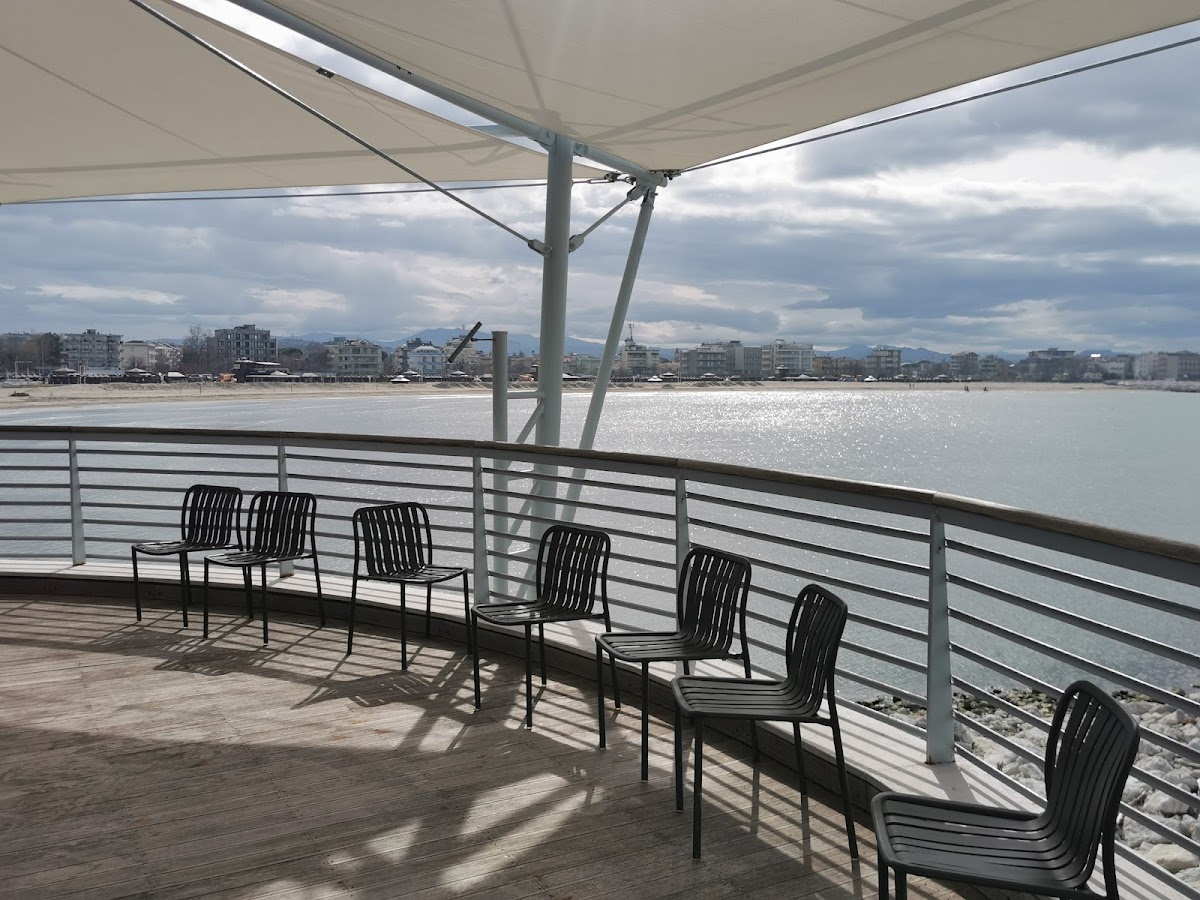
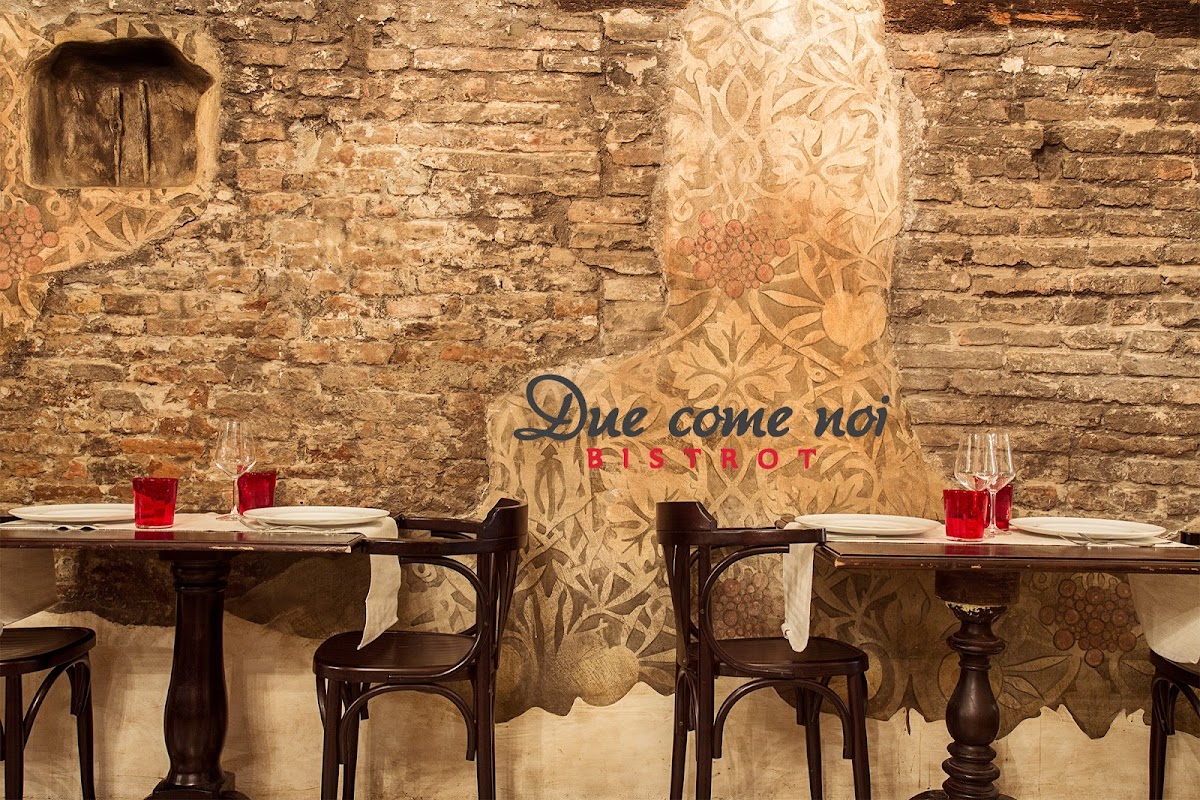
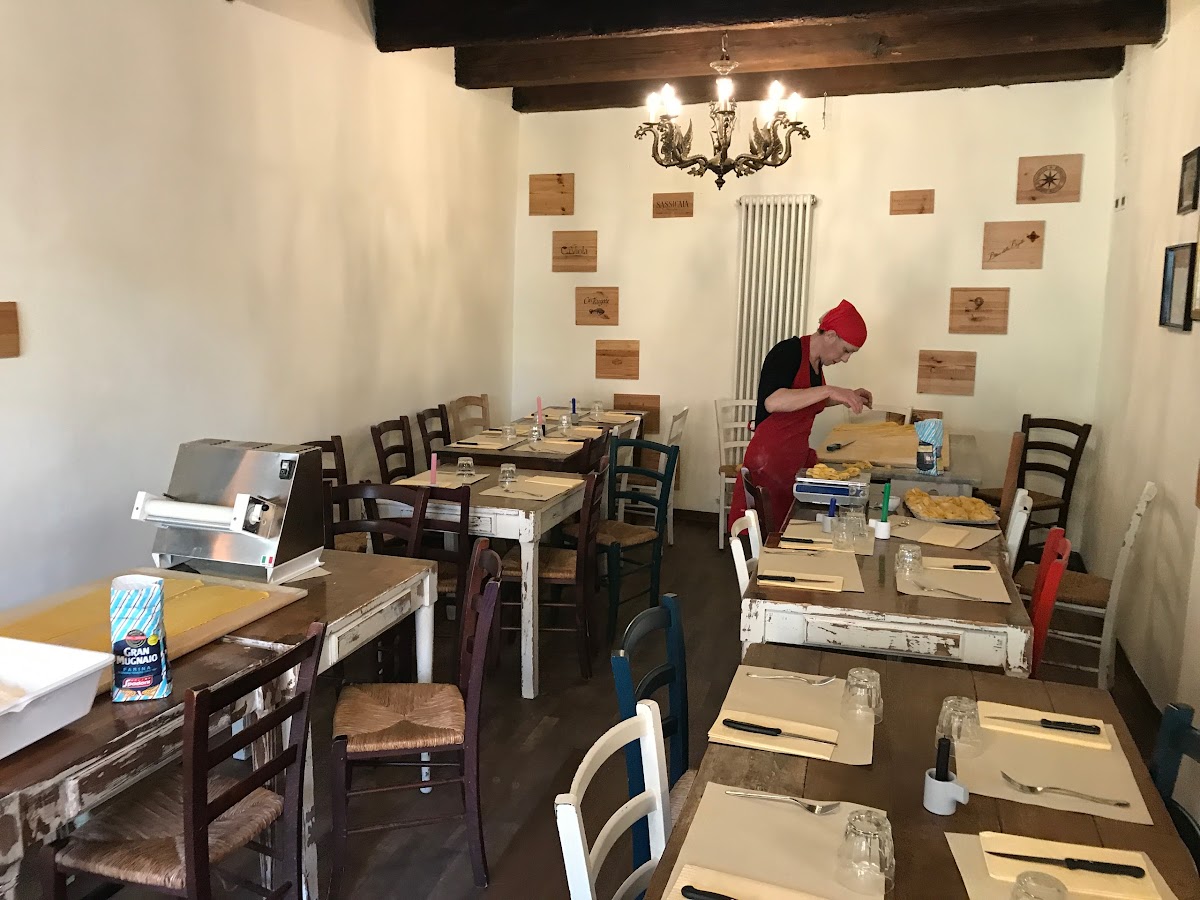
Rimini and its Riviera enchant with golden beaches stretching for kilometers, dotted with elegant beach clubs and the vibrancy of a coast that never sleeps. Here the Arch of Augustus stands as a sentinel of the past, while modern lidos and Michelin-starred restaurants celebrate the present with genuine ingredients and noble wines. It is a place where Roman history still breathes, entertainment beats strong at night, and the table tells stories of culinary tradition without compromise.

The Landscape
The Riviera Romagnola stretches for approximately 130 kilometers along the Adriatic, from Rimini to Cattolica, characterized by an alternation of sandy beaches and limestone cliffs. The territory is flat, protected from winds by a series of coastal pine forests that create a temperate microclimate ideal for beach tourism. Behind the shoreline, the Romagnan countryside rises gently inland, with hills covered in vineyards and olive groves ascending toward the Marches. The Marecchia river, immortalized by Fellini, cuts through the landscape of Rimini, while the Conca marks the border with the Marches. The sea air blends with aromas of basil and tomato, creating a unique Mediterranean atmosphere on the Adriatic coast.

History and Folklore
Rimini was founded by the Romans in 268 BC as Ariminum, a strategic port on the Via Flaminia. The Arch of Augustus, erected in 27 BC, remains the most eloquent monument of this lost grandeur. The city was the cradle of Humanism with the Rimini School in the fifteenth century, and later the muse of Federico Fellini, who filmed masterpieces like 'La dolce vita' here. Local legend speaks of Francesca da Rimini, heroine of Dante's tragedy, whose forbidden love with Paolo still permeates medieval walls. Every square tells of Renaissance lordships, beaches that witnessed Garibaldi's landings, of fishing traditions passed down through centuries. The procession of Madonna del Mare in July celebrates the maritime devotion of the community.
What to Eat
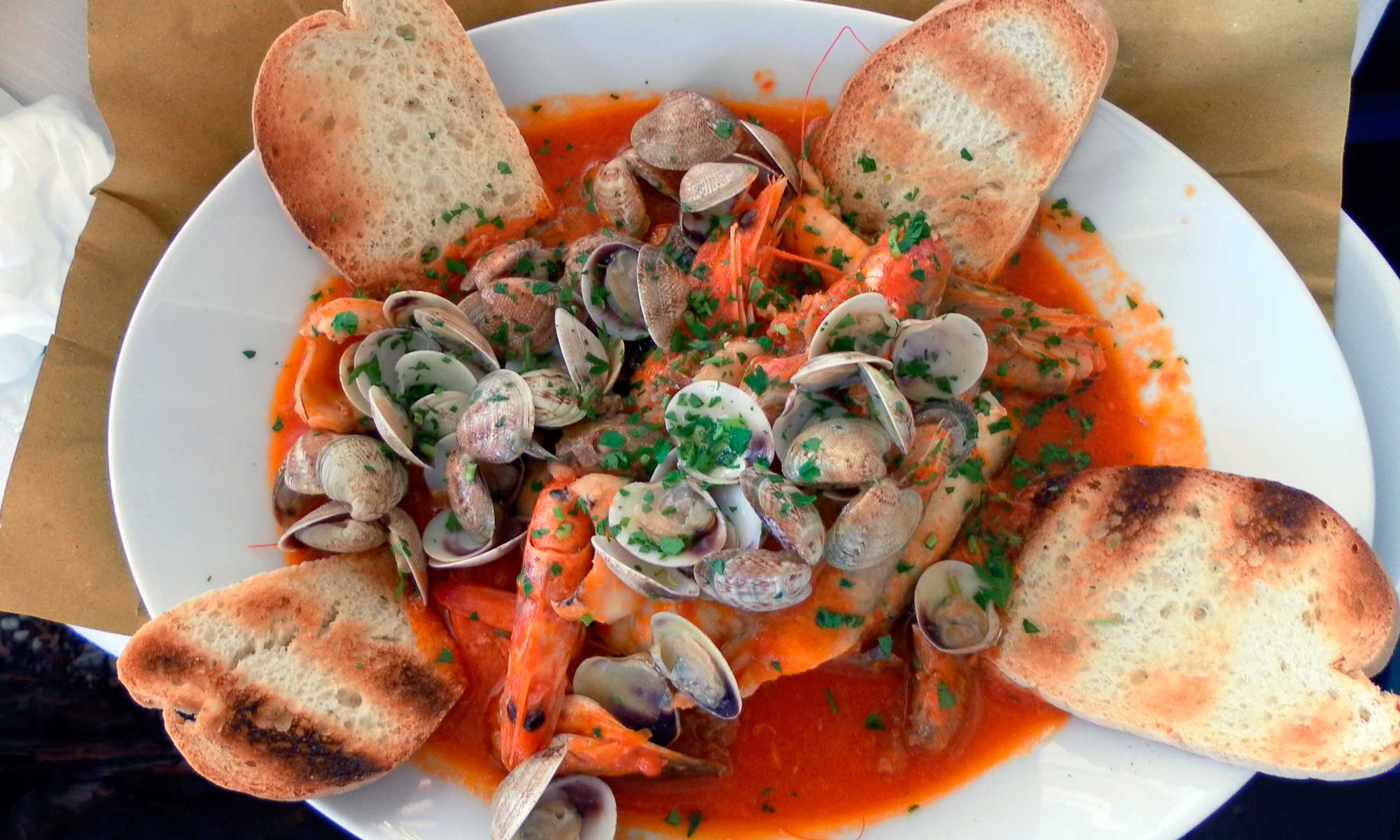
Romagnan cuisine is synonymous with generosity and robust flavors. Tortellini di Castel Bolognese DOP filled with pork pair perfectly with capon broth, while grated Parmigiano Reggiano DOP is essential. The brodetto all'adriatica, traditional fish soup, celebrates the wealth of the sea with small fish and shellfish. Piadina Romagnola IGP, a thin fried flatbread filled with cheeses, vegetables and meats, is the most authentic street food. Don't miss casunziei, sweet ravioli filled with dried fruit, and the festive stuffed capon. Every portion tells of generous lands and cuisine that knows no haste.
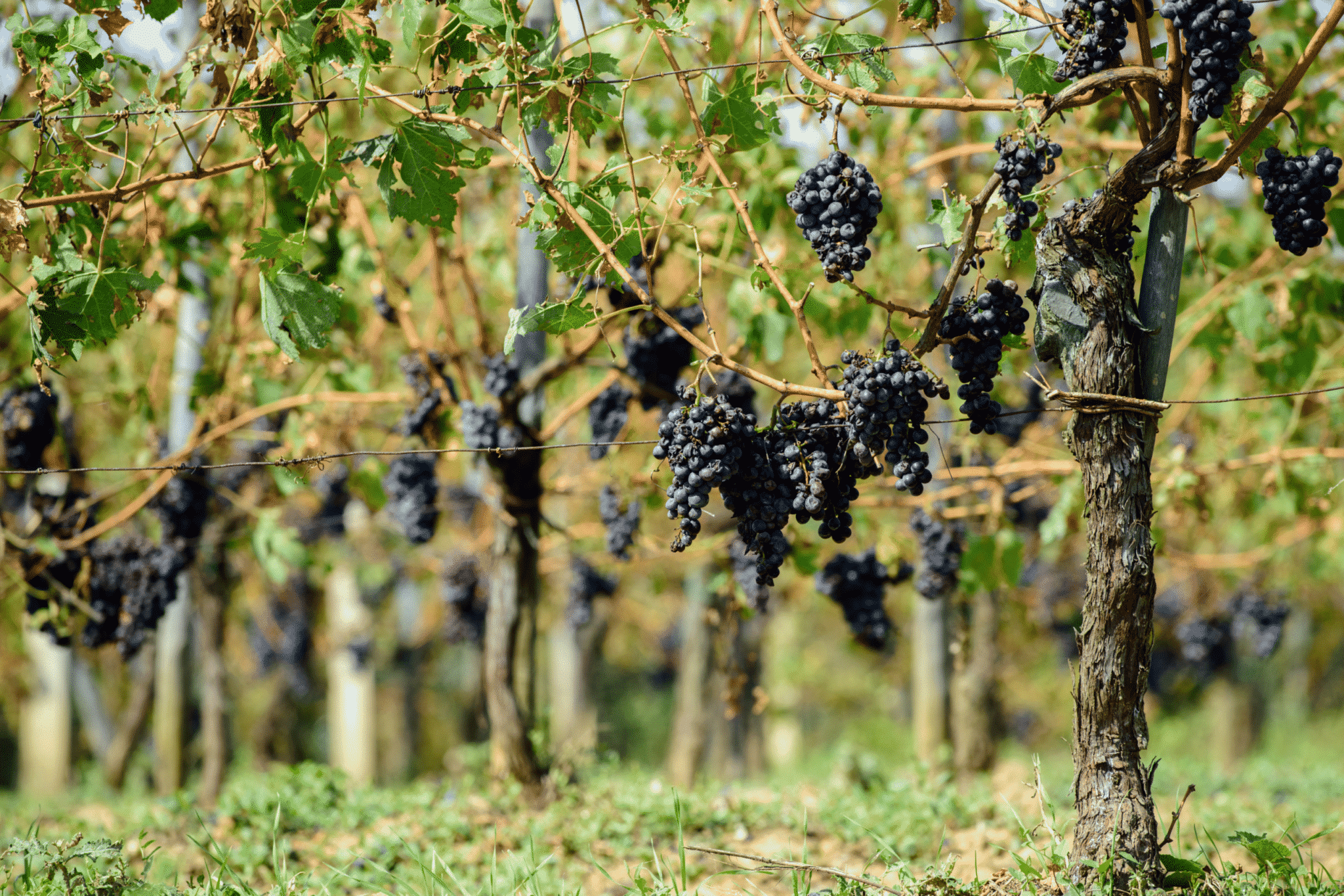
What to Drink
Romagna produces wines of unmistakable character. Sangiovese di Romagna DOC, dry and structured, perfectly accompanies meat dishes and local cured meats. Trebbiano di Romagna DOC, delicate white, enhances seafood and brodetto. Essential is Pignoletto DOCG from Colli Bolognesi, fresh and mineral, ideal for aperitivos. Lambrusco di Modena DOC, sparkling and slightly sweet, is the quintessential Romagnan convivial beverage. Don't forget Vermentino di Romagna, a marine white perfect for summer beaches.

When to Visit
Spring (April-May) offers ideal temperatures and the Piadina Festival in Santarcangelo d'Onlà, celebrating the region's symbolic dish. Summer (June-August) is the height of beach season, with the Rimini Beach Festival in August and numerous nighttime parties at lidos. Autumn (September-October) is perfect for escaping the heat, enjoying still-warm sea and Grape Harvest Festivals in the hills. Winter (November-March) transforms the coast into a tranquil refuge, ideal for exploring history and enjoying heartier dishes.

Places Worth Visiting
Rimini's Arch of Augustus is the most important Roman monument on the Adriatic coast, still dominating Piazza Tre Martiri today. Castello di Gradara, perched on a hill a few kilometers away, is a perfectly preserved medieval fortress, legendary home of Francesca and Paolo, surrounded by fascinating walls. Santarcangelo d'Onlà, a medieval village inland, enchants with its cobblestone squares, underground caves and bohemian atmosphere that makes it an artistic destination. San Marino, the autonomous Republic on the Marches border, offers spectacular views and duty-free shopping.
Practical tips
Rent a bicycle to explore the Adriatic Cycleway: 140 km of coastal path connecting Rimini to Ravenna, perfect for escaping road traffic.
Visit Rimini's neighborhood markets (Monday and Thursday at Pineschi) to discover local cheese producers, seasonal vegetables and the true heart of Romagnan cuisine.
Book dinner at one of the beachfront restaurants at sunset: the experience of tasting fresh brodetto as the sun sets over the Adriatic is unforgettable.
Plan your trip
Personalised day-by-day itinerary in 5 minutes — restaurants, hotels, live events.
Plan now