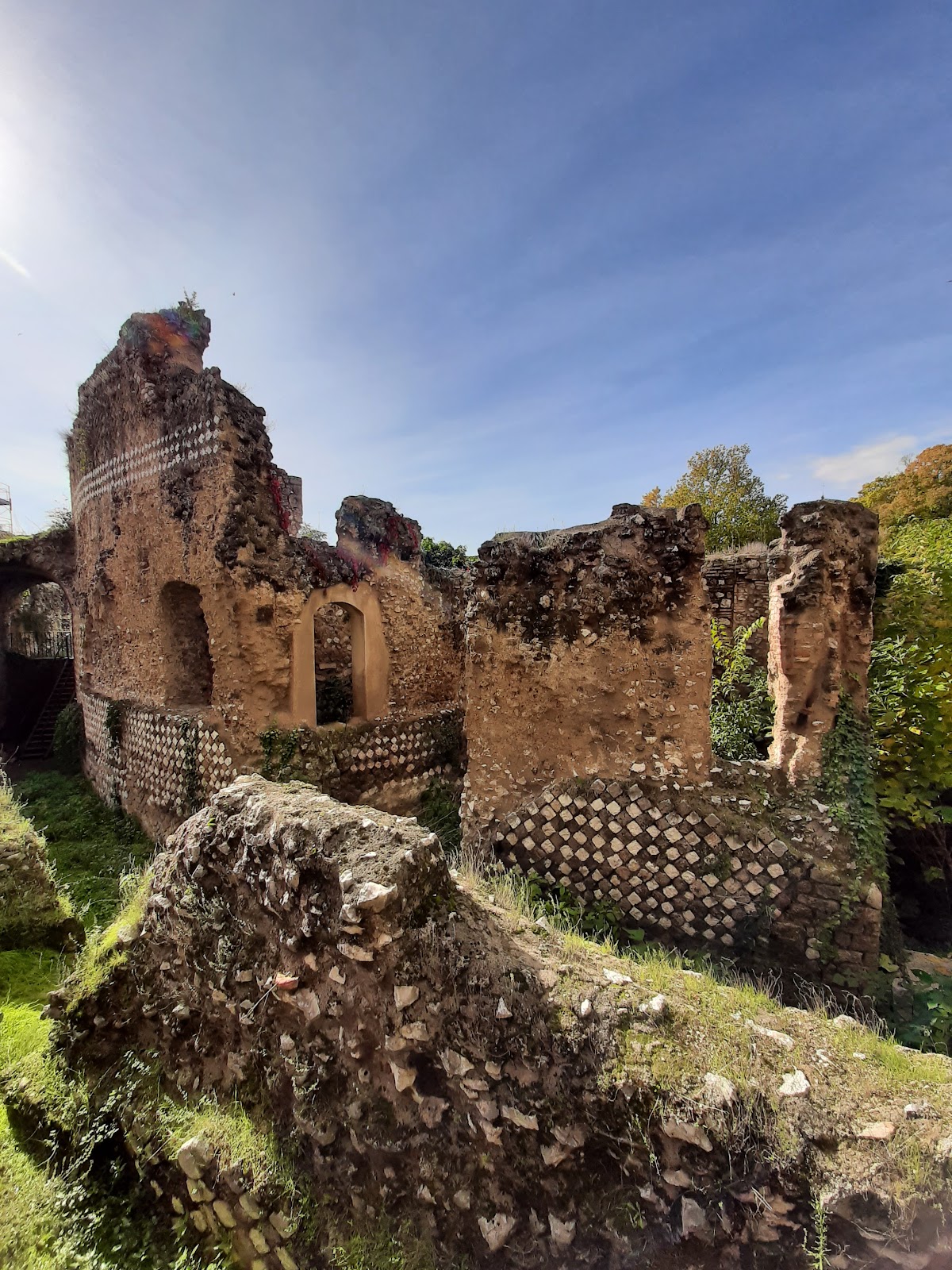
The Valnerina is one of Umbria's most enchanting valleys, carved by the Nera River flowing between dramatic rocky cliffs and primordial forests. Norcia, its main village, is bound to Saint Benedict and the ancient tradition of norcineria—the craft of cured meat production that made this land famous across Italy. Here you'll discover a lesser-known Umbria, where the silence of natural canyons and spiritual depth intertwine with timeless culinary excellence.
The Landscape
The Valnerina stretches for about 40 kilometers through southern Umbria, a natural gorge carved by the Nera River forming canyons of extraordinary beauty. The Sibillini Mountains frame the valley, with peaks like Monte Vettore and the Piana di Castelluccio rising above 2,000 meters. Villages cling to the slopes: Norcia, Castelluccio, Preci, and Visso are fortified gems. Flora follows the central Apennines pattern—beeches, oaks, and an understory rich with black truffles, white truffles, and summer truffles. The Nera and Sordo rivers create protected wetlands, refuges for migratory birds and golden eagles.
History and Folklore
Norcia is the birthplace of Saint Benedict of Norcia (480–547), founder of the Benedictine order and patron saint of Europe, celebrated annually on March 21st. The Romanesque basilica dedicated to him still dominates the historic center, miraculously rebuilt after the 2016 earthquake. The valley hosted hermits and monks for centuries, leaving traces of profound spirituality. Local legend speaks of the Sibilla Appenninica, a sorceress dwelling in caves on the Piana di Castelluccio, accessible only on Good Friday. Medieval Norcia became the capital of norcineria—the craft of meat preservation—when Norcia's butchers were so esteemed the word became synonymous with salumiere across Italy.
What to Eat
Norcia's cuisine revolves around Prosciutto di Norcia DOP, with its dark red color and intense flavor, and Porchetta di Norcia DOP—whole pig roasted with wild herbs. Salumi di Norcia DOP includes guanciale, soppressata, and pancetta, all preserved by generations-old recipes. Don't miss squid stuffed with cheese and eggs, gnocchi with wild boar ragù, and the celebrated Lenticchie di Castelluccio DOP—small, delicate legumes whose thin skin dissolves during cooking. Black Sibillini truffles perfume every autumn dish.
What to Drink
Colli Martani DOC and Montefalco DOC wines surround the Valnerina, producing Sagrantino di Montefalco DOCG, a robust red with pronounced tannins and dark fruit notes—perfect with cured meats. Rosso di Montefalco DOC is more youthful and fresh. The area also yields elegant whites like Grechetto dei Colli Martani DOC. Try aromatic Vernaccia varieties available in local wineries. Craft brewery Val Nerina has gained fans with smoky stouts and ales.
When to Visit
Spring (April–May) is ideal: wildflowers blanket the Piana di Castelluccio in color, temperatures are mild. Autumn (September–November) marks black truffle season—the Mostra Nazionale del Tartufo Nero di Norcia (November) draws gastronomes from across Europe. Summer offers mountain hikes and river cooling. March celebrates Saint Benedict with processions and religious festivities. Avoid January–February when high-altitude cold is intense and attractions reduce hours.
Places Worth Visiting
Norcia (pop. 5,000): the valley's heart, featuring the rebuilt Basilica di San Benedetto, Piazza San Benedetto, and the Civic Museum. Castelluccio di Norcia: mountain village at 1,450 meters, famous for DOP lentils and spectacular spring wildflower displays on the Piana. Cascate delle Marmore near Terni: Italy's highest waterfall (165 m), one hour away. Preci: medieval hamlet with enchanting Romanesque churches and a medieval surgical tradition.
Practical tips
Rent a car from Perugia or Foligno to explore the valley freely. Roads are scenic but winding—drive carefully and start early morning.
Visit local farms and dairies to buy truffles, lentils, and certified cured meats directly. Many offer guided tastings by reservation.
Download offline maps before departing—mobile coverage is intermittent in the valley. Pack layered clothing: temperatures shift rapidly with altitude.
Plan your trip
Personalised day-by-day itinerary in 5 minutes — restaurants, hotels, live events.
Plan now