Tivoli is the closest UNESCO double in Italy — 30 km east of Rome, 45 minutes by bus or train, and home to two World Heritage sites less than 5 km from each other. Hadrian's Villa (Villa Adriana, UNESCO 1999) is the largest, most architecturally ambitious imperial residence ever built — a 120-hectare retreat where the emperor recreated structures he loved across the empire. Villa d'Este (UNESCO 2001) is the supreme Renaissance water garden, designed for Cardinal Ippolito d'Este around 1560 with 500+ working fountains. Together they justify a full day; together with the medieval town of Tivoli they justify a weekend. Most day-trippers from Rome do one or the other and rush — staying overnight in Tivoli is dramatically cheaper than Rome hotels and lets you visit both properly.
Getting to Tivoli from Rome
Two options, both straightforward. By train: Roma Tiburtina or Roma Termini to Tivoli (regional train, 50 minutes, €3 one-way, every 30-60 minutes). Tivoli station is a 15-minute walk uphill to the centre, or 5-minute local bus. By COTRAL bus: Ponte Mammolo metro (Line B) to Tivoli centre, 45 minutes, €2.20 one-way. Buses every 20 minutes. The bus drops you closer to Villa d'Este; the train requires the walk uphill. Driving: A24 motorway, exit Tivoli, 35 minutes from central Rome but parking in the historic centre is restricted (ZTL — automatic €100+ fine if you enter without permit). Park at the Villa d'Este long-stay car park (€8/day) outside the ZTL. Best strategy: train for budget, bus for convenience, car only if you're continuing further into the Sabini hills afterward.
Villa Adriana — the emperor's retreat
Built between 117 and 138 AD as Hadrian's personal retreat, Villa Adriana is the most architecturally ambitious imperial residence ever constructed — 120 hectares of palaces, theatres, baths, libraries and reflecting pools, organised around recreations of structures Hadrian loved during his empire-wide travels. The Canopus (a long reflecting pool flanked by Egyptian-inspired statues) recreates a sanctuary near Alexandria. The Maritime Theatre is a private island villa surrounded by a circular moat — Hadrian's personal retreat within the retreat. The Greek Library and Latin Library mirror each other. Practical: entry €13 (combined with Villa d'Este €18), open 9:00-19:00 in summer / 9:00-16:00 in winter, mandatory online booking on busy weekends. Allow 3 hours minimum — the site is enormous and there's almost no shade. Bring water and a hat in summer. The site is well outside the town; either taxi from Tivoli (€10-12), the local CAT bus #4 from Largo Garibaldi, or walk 30 minutes downhill.
Villa d'Este — the supreme water garden
Designed by Pirro Ligorio for Cardinal Ippolito d'Este starting in 1560, Villa d'Este is the masterpiece of Italian Renaissance garden design and the prototype that influenced Versailles, Peterhof, and every formal European garden afterward. Built on a steep terraced slope, the garden uses gravity alone to power its 500+ working fountains — no pumps. The Hundred Fountains (Cento Fontane) is a 130-metre stone wall of jets, masks and reliefs. The Fountain of the Organ plays Renaissance music every two hours, mechanically powered by water pressure. The Oval Fountain (Fontana dell'Ovato) is the gravitational centre of the garden. The villa interiors house Mannerist frescoes by Federico Zuccari and Livio Agresti. Practical: entry €15 (combined with Villa Adriana €18), open 9:00-19:45 in summer / 9:00-16:30 in winter, closed Monday morning. The garden is steep and involves serious walking down and up — wear real shoes, not sandals. Allow 2-3 hours. Best light for photos is late afternoon when the sun catches the fountains backlit; worst is high noon flat light.
The medieval town and Villa Gregoriana
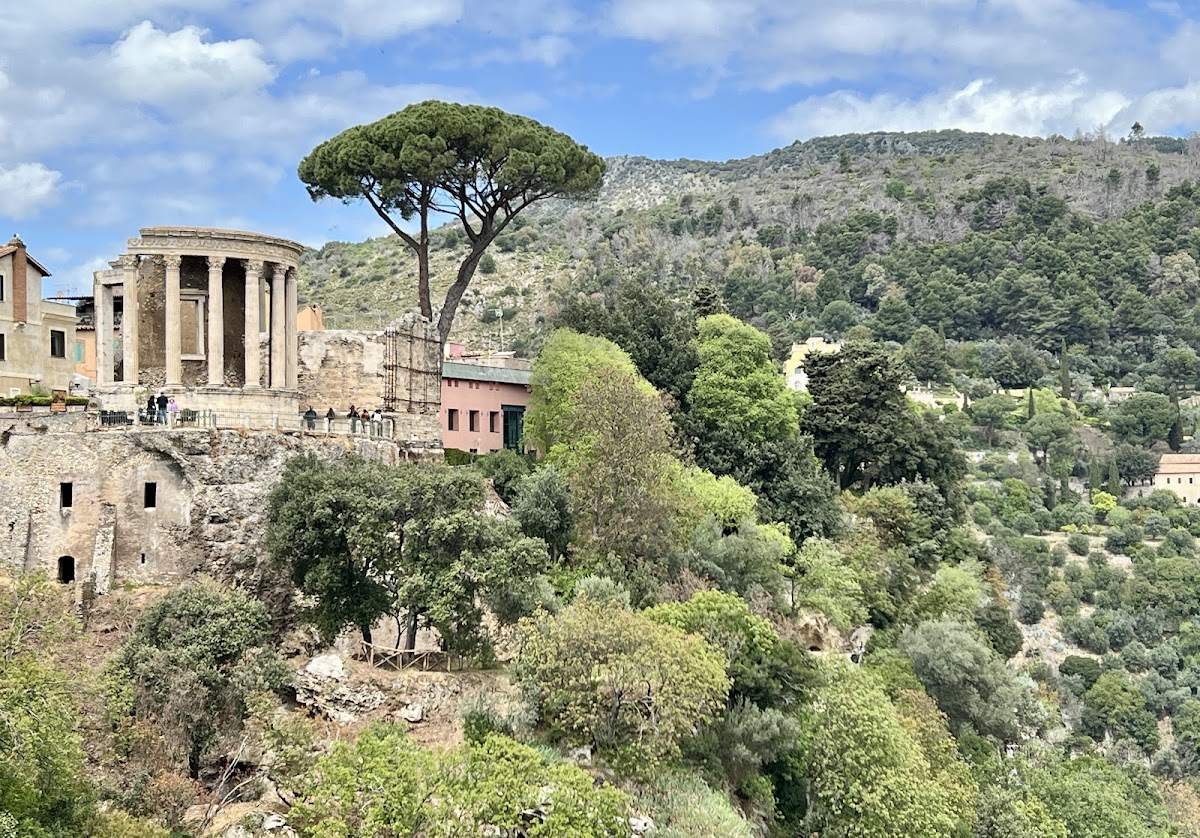
Most Roman day-trippers skip the actual town of Tivoli, which is a mistake. The historic centre is a layered medieval-Roman warren around Piazza Garibaldi and Piazza Trento, with stone alleys, the Romanesque cathedral of San Lorenzo (free), and the Rocca Pia fortress built by Pope Pius II in 1461 (€4). Beyond the centre is the third UNESCO-adjacent attraction: Villa Gregoriana (FAI-managed, €10), not a villa but a dramatic nature park carved by the Aniene river. Pope Gregory XVI commissioned engineers in 1832 to divert the flooding river through an artificial tunnel; the resulting waterfalls — the Cascata Grande drops 120 metres — make this one of the most spectacular natural sites in Lazio. Walking paths descend through the gorge past Roman ruins (the Temple of Vesta and Temple of the Sibyl perched on the cliff edge) and emerge at the cataract. Allow 1.5 hours. Open March-November; closed in winter.
Eating in Tivoli — what locals actually do
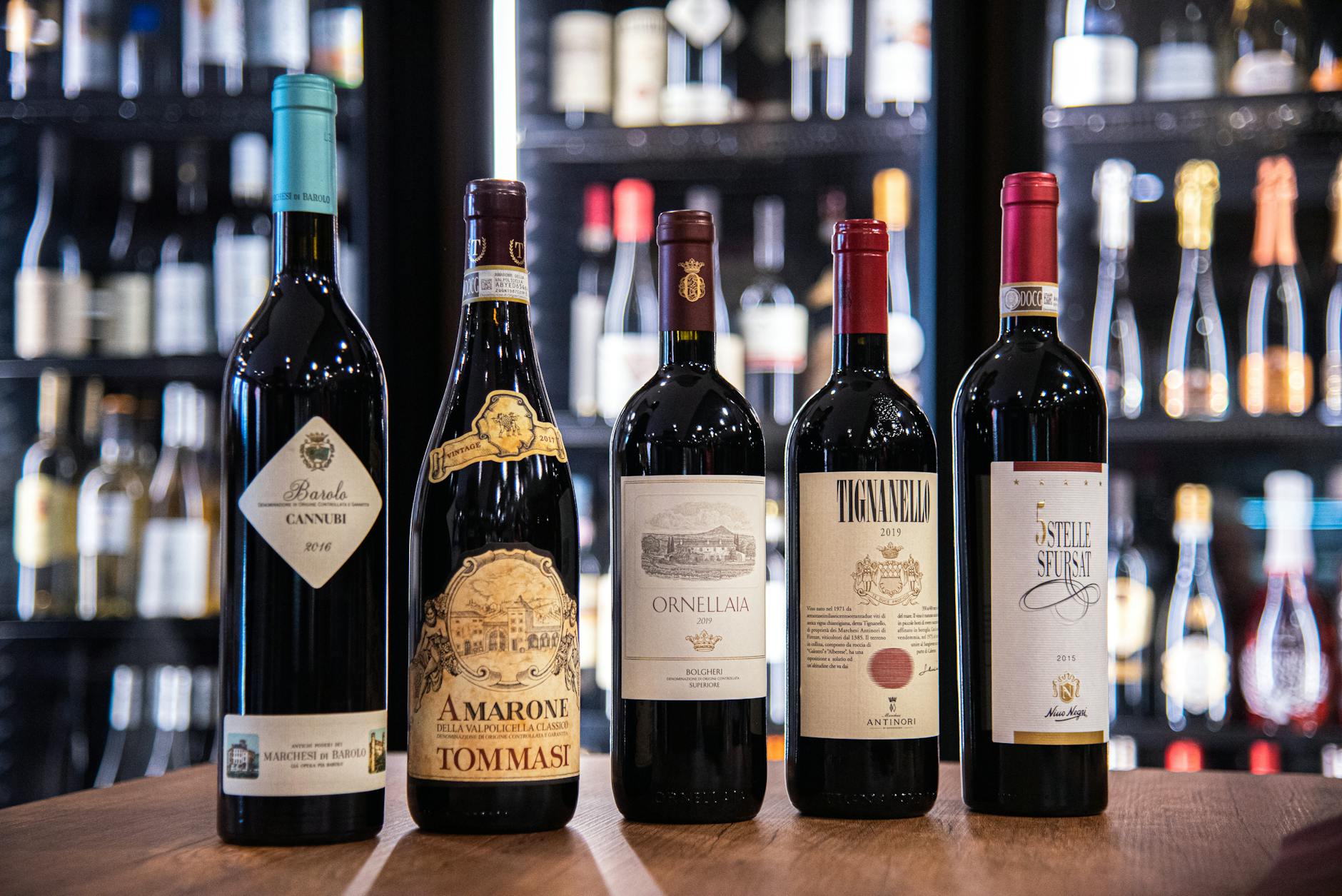
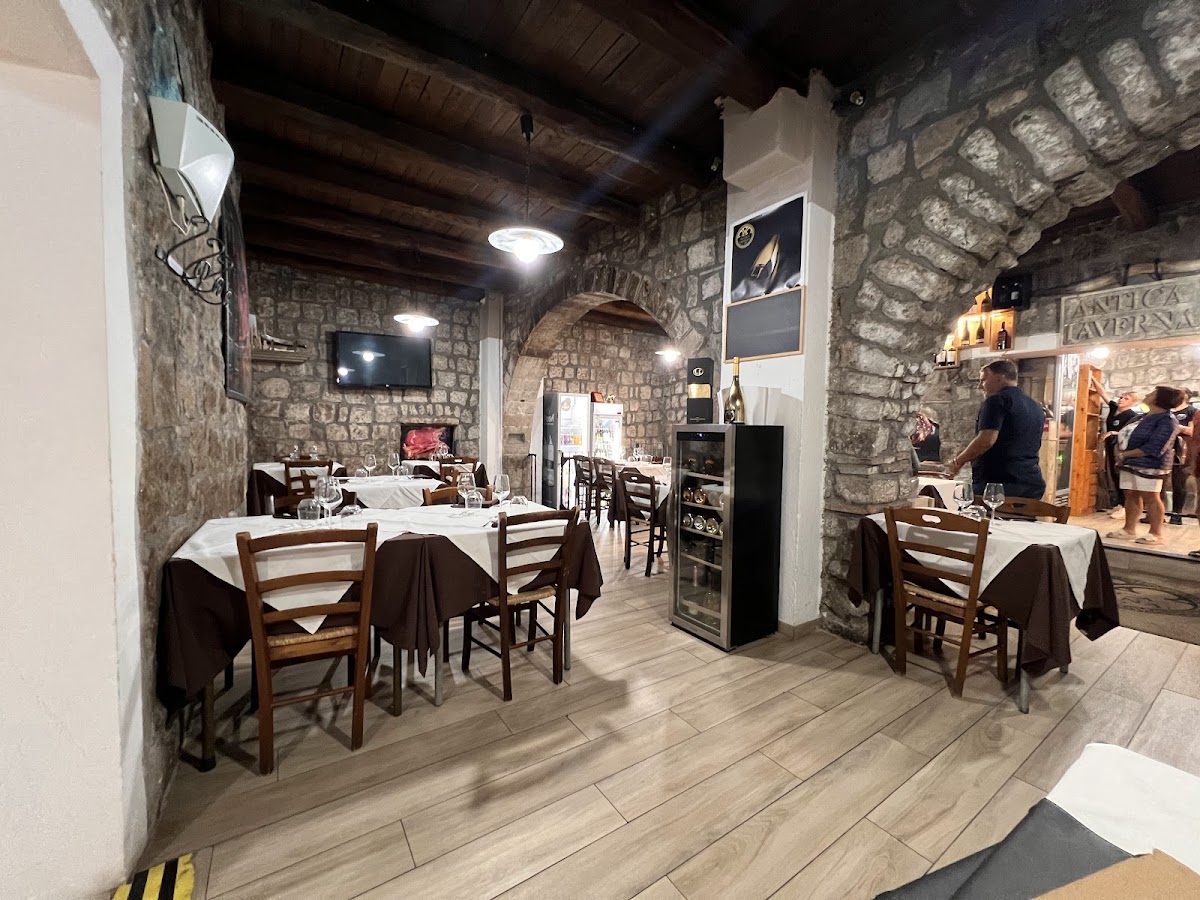
Tivoli's historic centre has plenty of tourist traps near Villa d'Este charging €25+ for mediocre pasta. The locals eat elsewhere. Trattoria Da Sora Maria e Arcangelo (Via Palatina) does Roman-Tivoli classics: spaghetti alla gricia, abbacchio scottadito (€15-22 mains). Sibilla (Via Sibilla, overlooking the temples) is touristy but the view is genuinely worth one drink. Pizzeria Berlin does the best wood-fired pizza in town (€8-12). For lunch on the run between sites: Forno del Tempio di Vesta is the historic bakery for sandwiches, taralli, and the local specialty pizza bianca with mortadella. Wine: Tivoli sits on the edge of the Castelli Romani DOC zone, so order a Frascati or Cesanese del Piglio (€18-28 a bottle) — both Lazio reds that ship well. Avoid: anywhere with a tourist menu in 4 languages, anywhere on Piazza Trento facing the Rocca Pia, and the pizza-by-the-slice place opposite Villa d'Este exit.
Logistics — timing, costs, where to stay
When to go: April-June and September-October are best — mild weather, gardens at peak, no extreme heat in the open Villa Adriana. July-August is uncomfortable midday (Villa Adriana has no shade). November-March is cool and Villa Gregoriana is closed. Sundays are crowded with Roman day-trippers; weekdays are dramatically quieter. How long: a full day covers Villa Adriana + Villa d'Este. Two days adds the medieval centre, Villa Gregoriana, and proper meals. Where to stay: small B&Bs in the historic centre cost €70-110/night (Hotel Sirene, Hotel Tibur), much cheaper than central Rome (€150-250). Budget for two nights, two people: roughly €350-450 total including transport from Rome, both UNESCO sites, two dinners, and accommodation.
Frequently asked questions
Can you visit Villa Adriana and Villa d'Este in one day?
Yes, comfortably. Villa Adriana in the morning (3 hours, opens 9:00), lunch in town, Villa d'Este in the afternoon (2-3 hours, golden hour on the fountains). The combined ticket €18 saves €10 vs separate tickets. The two sites are 5 km apart but in different directions from town, so plan transport between them — taxi €10-12 or CAT bus #4.
How do you get to Tivoli from Rome without a car?
Two easy options. Regional train from Roma Termini or Tiburtina (50 minutes, €3, every 30-60 minutes) — drops you at Tivoli station, 15 minutes uphill to centre. Or COTRAL bus from Ponte Mammolo metro Line B (45 minutes, €2.20, every 20 minutes) — drops you closer to Villa d'Este. The bus is more convenient if Villa d'Este is your first stop; the train is cheaper.
Is Villa Adriana or Villa d'Este better?
Different experiences, both essential. Villa Adriana is the larger, archaeologically more important site — 120 hectares of Roman imperial architecture from the 2nd century AD. Villa d'Este is the supreme Renaissance water garden, the prototype that influenced Versailles. If you only have time for one and prefer archaeology, choose Villa Adriana; if you prefer Renaissance gardens and active fountains, choose Villa d'Este. With the combined ticket (€18), there's no reason to choose.
Should I stay overnight in Tivoli or do it as a day trip from Rome?
Stay overnight if you want to do both UNESCO sites + the medieval town + Villa Gregoriana properly. Tivoli B&Bs cost €70-110/night versus €150-250 in central Rome — staying actually saves money. Day trip works if you only want one UNESCO site + lunch and are confident you don't need the medieval centre or Villa Gregoriana. The crowds also thin dramatically after the last Rome day-trip bus leaves around 18:00.
When is the best time of year to visit Tivoli?
April-June and September-October are ideal — mild weather, gardens at peak bloom, no extreme heat. Villa Adriana has almost no shade and becomes punishing in July-August midday; if you go in summer come at opening (9:00) or after 17:00. November-March is cool but Villa Gregoriana is closed and the gardens are less impressive. Sundays are crowded with Roman day-trippers regardless of season; weekdays are dramatically quieter.
Do I need to book Villa Adriana and Villa d'Este in advance?
Recommended for weekends and high season (April-October), especially Saturday and Sunday. Online booking on the official site (autonomous.beniculturali.it) avoids queue waiting and guarantees entry. Weekday mornings in shoulder season are usually fine without booking. Avoid arrival between 11:00 and 14:00 when tour buses peak.
Is Tivoli worth visiting in a 3-day Rome trip?
On a 3-day Rome trip the answer is usually no — there's too much in Rome itself (Vatican, Colosseum, Trastevere, Borghese gallery, etc.) for a half-day detour. With 5+ days in Rome, yes, Tivoli is the single best day trip — it adds two UNESCO sites and a complete change of scenery for 45 minutes of train travel. If you only have 3 days but already know Rome, sacrifice one Rome day for Tivoli rather than rushing both.
What can you see in Tivoli besides the two UNESCO villas?
Three things worth your time. Villa Gregoriana (€10, FAI-managed): a dramatic nature park with the 120-metre Cascata Grande waterfall, walking paths through the gorge past Roman temples on the cliff edge. The medieval centre around Piazza Garibaldi: Romanesque cathedral of San Lorenzo (free), Rocca Pia fortress (€4), stone alleys. And Tivoli's food: Roman-Tivoli specialties like abbacchio scottadito and spaghetti alla gricia at Trattoria Da Sora Maria e Arcangelo. For 2-3 nights, also consider Subiaco 25 km east for the cliff monasteries.
Plan your trip
Build your itinerary