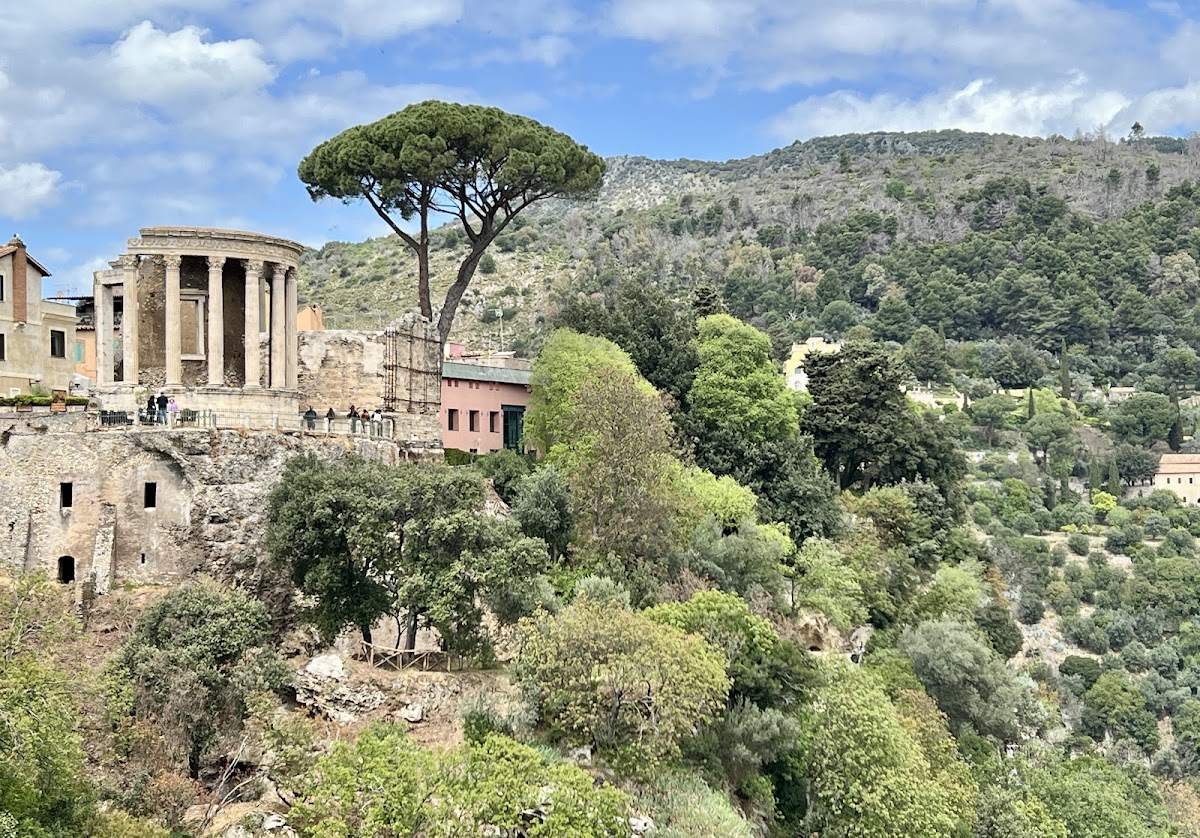
Tuscia is the historic name for the volcanic territory of northern Lazio — roughly Viterbo province plus parts of Grosseto and Terni — that was the homeland of the Etruscan civilisation from the 9th to the 3rd century BC. The landscape is unique in Italy: hundreds of metres of tufo (compressed volcanic ash) carved by streams into deep canyons (forre), creating dramatic isolated plateaus on which Etruscan and medieval towns were built. Today it's the least-visited corner of Lazio despite holding three UNESCO World Heritage areas (the Etruscan necropoleis of Cerveteri and Tarquinia, and the Sacred Wood of Bomarzo nominated 2024), the spectacular dying town of Civita di Bagnoregio, and Viterbo's medieval centre — the largest in central Italy. The roads are quiet, the food is heavier and less touristy than central Rome, and the prices are 30-40% lower than central Lazio.
Getting to and around Tuscia
Tuscia is 80-130 km north of Rome — by car the A1 motorway exits Orte (for Viterbo, 1h15) or Magliano Sabina (for Tarquinia, 1h30). By train: Roma Termini to Viterbo (regional, 2 hours, €5-7), or Roma Termini to Tarquinia (regional, 1h20, €5-9). Without a car you can do Viterbo or Tarquinia as day trips but the territory is fundamentally car-dependent — Civita di Bagnoregio, Bomarzo, the Etruscan necropoleis and the rural agriturismi are spread across 50+ km and connected by minor roads with limited bus service. Renting a car at Roma Termini for 2-3 days costs €60-100. Best strategy: weekend with a car, basing in Viterbo or an agriturismo for a central location, day trip Tarquinia only if it's the single thing you want.
Civita di Bagnoregio — the dying town
Civita di Bagnoregio is a medieval village perched on an isolated tufo pillar slowly being eroded by wind and rain — the population peaked at around 1,000 in the 16th century, is 11 today, and the access road was cut in the 1764 earthquake. A footbridge built in 1965 is the only way in. The town is empty most weekdays, full of day-trippers on summer weekends. Entry to Civita itself costs €5 (since 2014), payable at the bridge head — controversial but it pays for the structural reinforcement keeping the town from collapsing. Inside: 800-year-old stone houses, two churches, a few restaurants and bars, the Donato Tartaglia bistro for honey-mustard pork (€18-25 mains). The viewing platforms above the bridge (free) give the most photogenic angle. Best time: arrive at opening (8:00-9:00) before the day-trippers or come for sunset when the tufo glows. The town is currently candidate for UNESCO World Heritage status.
Viterbo — the largest medieval centre in central Italy
Viterbo's medieval centre is the largest and best-preserved in central Italy — 12th-14th century stone alleys, towers and arched passages around the Quartiere San Pellegrino, with the colossal Palazzo dei Papi (€8) where five popes were elected during the 13th century when the papacy temporarily moved here. The longest conclave in history (1268-1271, 33 months) happened in this palace — when the cardinals couldn't decide, the people of Viterbo locked them inside, took off the roof, and rationed their food until they elected Gregory X. The town is also Italy's spa capital: the Terme dei Papi (€16-22 daily access, open to non-guests) is a complex of large outdoor sulphur pools used since Roman times. Festa di Santa Rosa (September 3rd) is the most spectacular religious procession in Lazio — a 30-metre, 5-ton illuminated tower carried by 100 men through the city; UNESCO Intangible Heritage since 2013.
Bomarzo — the Sacred Wood and the Park of Monsters
Bomarzo's Sacro Bosco (€13, open daily 8:30-19:00) is one of the strangest places in Italy — a 1552 garden commissioned by Pier Francesco Orsini after his wife's death and full of enormous Mannerist sculptures carved directly into the volcanic rock outcrops in situ. Giant turtles, a war elephant crushing a Roman soldier, a leaning house deliberately built off-vertical, the gaping mouth of an Ogre with a stone table set inside (so guests literally ate inside a monster's mouth). Forgotten for 400 years until Salvador Dalí rediscovered it in 1948 and championed its restoration. Allow 1.5-2 hours; it's a steep wooded park and shoes need grip. Nearby: the Etruscan Piramide di Bomarzo (5 km from town, no signage, ask locals for directions) is a recently-discovered 8-metre-high sacrificial altar carved into a single block of stone.
Tarquinia and the Etruscan necropolis
Tarquinia was one of the twelve cities of the Etruscan League and the capital of the southern Etruscan world. Its UNESCO necropolis (€10 combined with the National Museum) holds over 200 painted tomb chambers — among the most important sources of knowledge about Etruscan daily life, religion and afterlife. Around 20 tombs are open to public visit, rotated to limit humidity damage; the must-sees are Tomba dei Leopardi (banqueting scene), Tomba della Caccia e Pesca (hunting and fishing), Tomba dei Tori. The Tarquinia National Museum in the magnificent 15th-century Palazzo Vitelleschi displays the famous Winged Horses terracotta and hundreds of recovered grave goods. The town itself has a quiet medieval centre with Romanesque churches and a viewing terrace over the Tyrrhenian Sea. From Rome by train: 1h20 to Tarquinia station, then 3 km by local bus to the historic centre.
Logistics — timing, food, accommodation
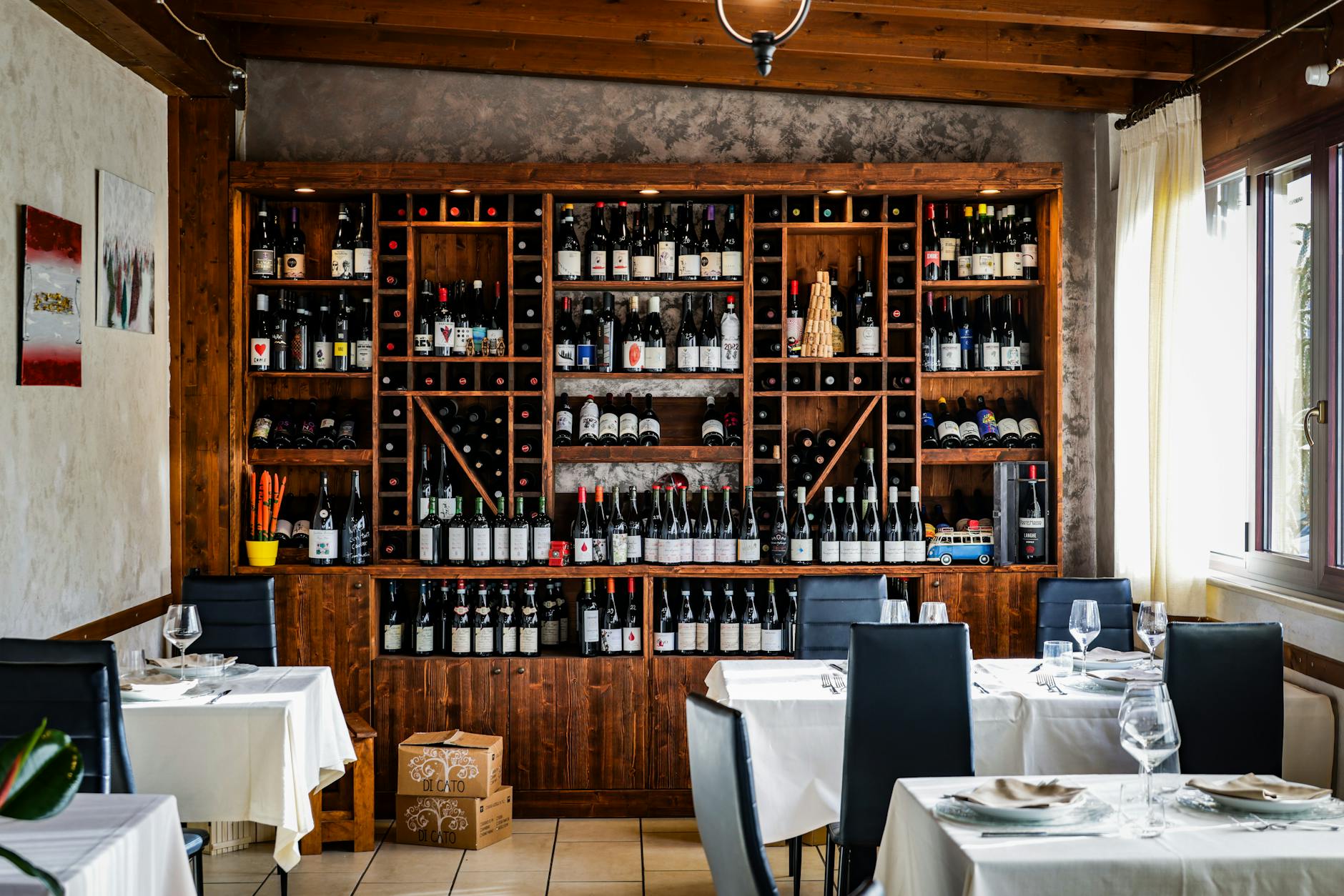
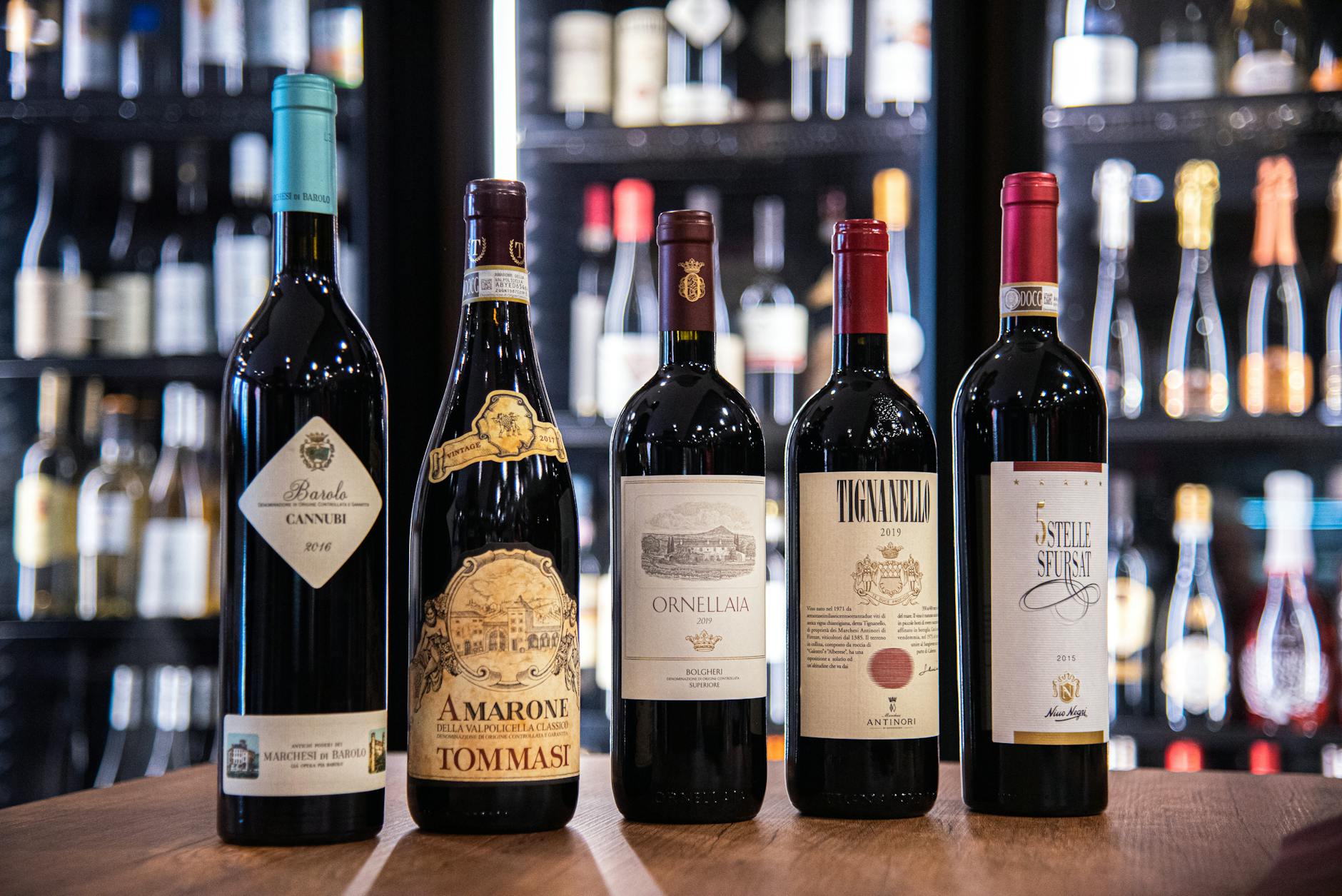
When to go: April-June and September-October are best. July-August can be hot but the volcanic landscape is dramatic. Civita di Bagnoregio is most photogenic at sunset; the necropoleis are cool year-round. How long: 2-3 days minimum. A weekend covers Viterbo + Civita + Bomarzo; 3 days adds Tarquinia. Where to stay: Viterbo old town has €70-100/night hotels (Hotel Niccolò V, Tuscia Hotel); rural agriturismi around Bolsena lake or Bomarzo cost €80-120 with full breakfast. Food: heavier than Rome — pici cacio e pepe, acquacotta (tomato-bread soup), wild boar ragù, local lentils from Onano, sheep cheeses, and the Aleatico di Gradoli dessert wine. Budget for 3 days, two people: €450-650 total including transport, all entries, all meals, and accommodation. Less expensive than central Lazio.
Frequently asked questions
Is Civita di Bagnoregio worth the €5 entry fee?
Yes — but understand what you're paying for. The fee (introduced 2014) funds the structural reinforcement that keeps the tufo pillar from collapsing. The town itself is small (you'll walk through it in 30 minutes) but the setting and the views from the footbridge are remarkable. The free viewing platforms above the bridge give the iconic photographs without paying. If you only want photos, the free angles work; if you want to enter the town and eat in it, pay the fee.
Can you visit Tuscia without a car?
Partially. Viterbo and Tarquinia are accessible by train from Rome as day trips. Civita di Bagnoregio, Bomarzo and most agriturismi require a car — the regional bus connections are infrequent and slow. If you don't drive, focus on Viterbo (use it as a base, take the COTRAL bus to Civita as a day trip, return), and accept you won't see Bomarzo or the more rural areas. For the full territory, rent a car for 2-3 days.
What's the best base for exploring Tuscia?
Three options. Viterbo: best for evenings (restaurants, bars, medieval atmosphere) and central location — 30-45 minutes from Civita, Bomarzo and Lake Bolsena. A rural agriturismo near Bagnoregio or Orvieto: most atmospheric, includes meals and possibly wine, but you'll drive 30+ minutes for everything. Bolsena (on the lake): summer-only choice if you want swimming; quieter than Viterbo. Most weekenders choose Viterbo for convenience; food travelers choose agriturismi.
Are the Etruscan tombs at Tarquinia or Cerveteri better?
Different. Tarquinia is famous for its painted tombs — 200+ tomb chambers with original frescoes showing Etruscan daily life, banquets, dancing, hunting. The tombs are small underground chambers; you descend by stairs and view through glass. Cerveteri is famous for its architectural tombs — tumulus mounds shaped like houses with rooms, doors, beds and carved furniture, but without paintings. If you want Etruscan art, Tarquinia. If you want Etruscan architecture, Cerveteri. Both are UNESCO. Cerveteri is closer to Rome (45 minutes by train); Tarquinia is closer to the Lazio coast and the museum is much better.
Is Bomarzo's Park of Monsters appropriate for children?
Yes — children love it. The 'monsters' are theatrical and not graphically violent (a war elephant, giant turtles, a leaning house you can walk into, the famous Ogre's mouth that's room-sized inside). The terrain is steep and wooded, requiring sturdy shoes, but a normally able 5+ year old will manage. Bring water in summer. Avoid in heavy rain (the paths are slippery on the volcanic rock).
What's the food like in Tuscia?
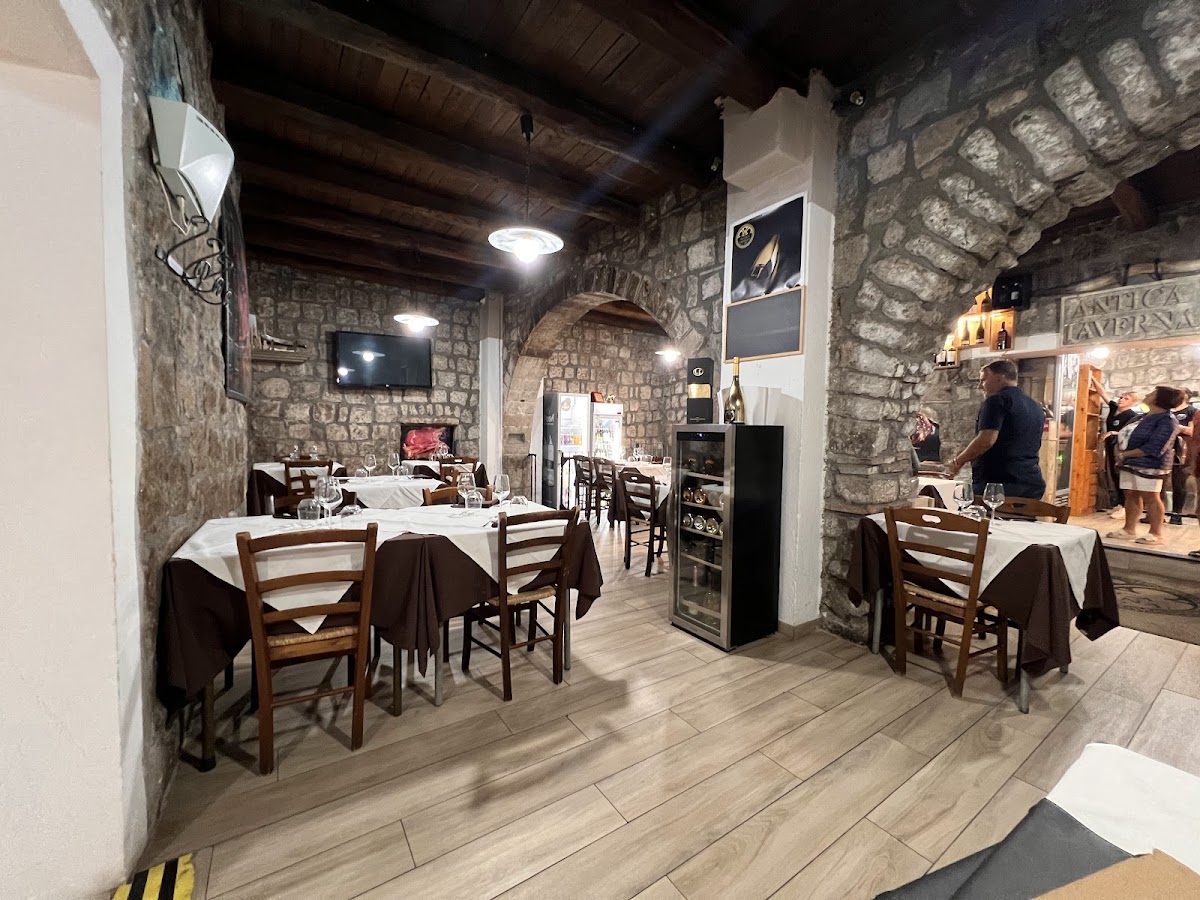
Heavier and more rustic than Roman cuisine. Signature dishes: pici (hand-rolled thick spaghetti) cacio e pepe or al ragù di cinghiale, acquacotta (tomato-bread soup with porcini and a poached egg), wild boar in red wine, Lake Bolsena freshwater fish (coregone), local lentils from Onano (smaller and earthier than Castelluccio), pecorino di Bolsena, and the dessert wine Aleatico di Gradoli. Olive oil is exceptional (Lazio's best DOP zone is Tuscia). Average price: €25-35 per head at a serious trattoria, €15-25 at a rural agriturismo with set menu.
Why is Tuscia less visited than other Lazio destinations?
Three reasons. It's car-dependent and Romans tend to do day trips by train. It's marketed less aggressively — no major tour operator pushes it the way Tuscany or Amalfi are pushed. And it's overshadowed by adjacent Umbria, which has the same volcanic landscape but stronger international branding (Assisi, Perugia, truffle festivals). For travellers willing to drive and explore, this is an advantage — half the crowds of Tuscany at similar quality of landscape, food and Etruscan history.
Plan your trip
Build your itinerary