Ciociaria is the slowest, least-touristed corner of Lazio — the Frosinone province south of Rome, named for the ciocie, the rough-hide sandals worn by local shepherds until the early 20th century. The landscape is Apennine foothills: limestone ridges, oak and chestnut forests, fortress towns perched on rocky outcrops, and fertile valleys. The area was the homeland of three pre-Roman peoples (the Hernici, Volsci, and Aequi) who built spectacular polygonal-masonry fortifications — the so-called cyclopean walls — between the 7th and 4th centuries BC. Several towns still preserve them intact (Alatri, Ferentino, Arpino). In the medieval period this was Cistercian territory: the great abbeys of Casamari and Fossanova are masterpieces of Italian Cistercian architecture, comparable to Burgundy's Pontigny or Cîteaux. And Montecassino — the mother house of Western monasticism, founded by Saint Benedict in 529 AD, destroyed in 1944, rebuilt — sits at the southern edge.
Getting to Ciociaria
Ciociaria is 60-130 km southeast of Rome along the Autostrada A1. By car: A1 exit Anagni (40 minutes from Rome), Frosinone (1 hour), or Cassino (1h30) depending on your destination. By train: Roma Termini to Frosinone (regional, 60-80 minutes, €5-7) or Cassino (regional, 1h45, €8-10). The towns themselves are spread across the province on minor roads — without a car you can do Anagni or Cassino as day trips but you cannot do the abbeys, Alatri or any rural exploration. Best strategy: car for any serious visit. Renting in Rome for 2-3 days: €60-100. Distance between key towns: Anagni → Alatri 30 km / 35 min; Alatri → Casamari 15 km / 20 min; Casamari → Montecassino 60 km / 60 min. The whole Ciociaria spine can be driven in one long day if you sacrifice depth.
Anagni — the slap, the cathedral, and the popes
Anagni is the most historically dense small town in Lazio — the birthplace of four medieval popes (Innocent III, Gregory IX, Alexander IV, Boniface VIII), the temporary papal residence during much of the 13th century, and the site of the famous 'Slap of Anagni' (Schiaffo di Anagni, 7 September 1303) when Sciarra Colonna and Guillaume de Nogaret stormed Boniface VIII's palace at the behest of King Philip IV of France — an event that essentially broke medieval papal universalism and led directly to the Avignon Papacy. The cathedral (free, donation appreciated) is one of the great Romanesque churches of central Italy, with extraordinary Byzantine-Roman mosaic pavement and the famous crypt frescoes — the 'Sistine Chapel of the Middle Ages,' with 540 sq m of 13th-century painting in stunning condition. The Boniface VIII Palace (€5) preserves the rooms where the slap took place. Allow 3 hours for the historic centre.
Alatri and the cyclopean walls
Alatri preserves the largest and most intact set of cyclopean walls in central Italy — a 2 km perimeter of polygonal-masonry fortification, with stones up to 3 metres long fitted without mortar in precise polygonal patterns, dating from the 7th-6th centuries BC. The walls are remarkable because they survive unaltered: most ancient fortifications in Italy were dismantled or buried over the centuries, but Alatri's were continuously used and maintained from antiquity through the medieval period. The acropolis (free, always accessible) is the supreme example — a vast platform with cyclopean walls reaching 10+ metres high in places, with the medieval cathedral built on top. The 7th-century Porta Maggiore on the eastern side is a single monolithic 27-ton lintel — the largest pre-Roman doorway in Italy. The town below preserves a medieval centre with the 12th-century church of Santa Maria Maggiore. Allow 2 hours including the acropolis climb.
The Cistercian abbeys — Casamari and Fossanova
Casamari Abbey (founded 1035, rebuilt as Cistercian 1203, free entry / €3 for the museum) is one of the four great Cistercian abbeys of central Italy and the most architecturally complete. The church is a Burgundy-style Romanesque-Gothic transition basilica, austere, light-flooded, with no decoration beyond stone — the visual embodiment of Cistercian ideology. The monks still live and work here (one of Italy's few continuously-active Cistercian communities) and produce the famous Casamari liquors (a herbal digestif distilled from a 13th-century recipe, on sale in the abbey shop). Fossanova (40 km south, on the coastal plain) is the older sister abbey (1135), where Saint Thomas Aquinas died in 1274 — the room where he died is preserved. Both abbeys are free and active places of worship; respect the dress code and silence requirements. Visiting both abbeys takes a full day driving.
Montecassino — destruction and resurrection
Montecassino Abbey is the mother house of Western monasticism, founded by Saint Benedict in 529 AD on a 500-metre limestone outcrop above the town of Cassino. The original abbey was the cradle of the Benedictine Rule and one of the great cultural centres of the early Middle Ages — its scriptorium preserved many classical texts. The abbey was destroyed four times in its history: by the Lombards (581), by Saracens (883), by an earthquake (1349), and most catastrophically by Allied bombing in February 1944 during the Battle of Monte Cassino, when 230+ B-17 bombers reduced the abbey to rubble in three hours. The bombing was a political and military error — there were no German soldiers in the abbey, but the rubble created defensive positions that the Germans then occupied, prolonging the battle by four months and costing 75,000+ casualties. The current abbey is a faithful 1948-1956 reconstruction (free, donation appreciated). The military cemeteries below (Polish, German, Commonwealth) are sobering. Allow 3-4 hours total.
Logistics — food, accommodation, planning
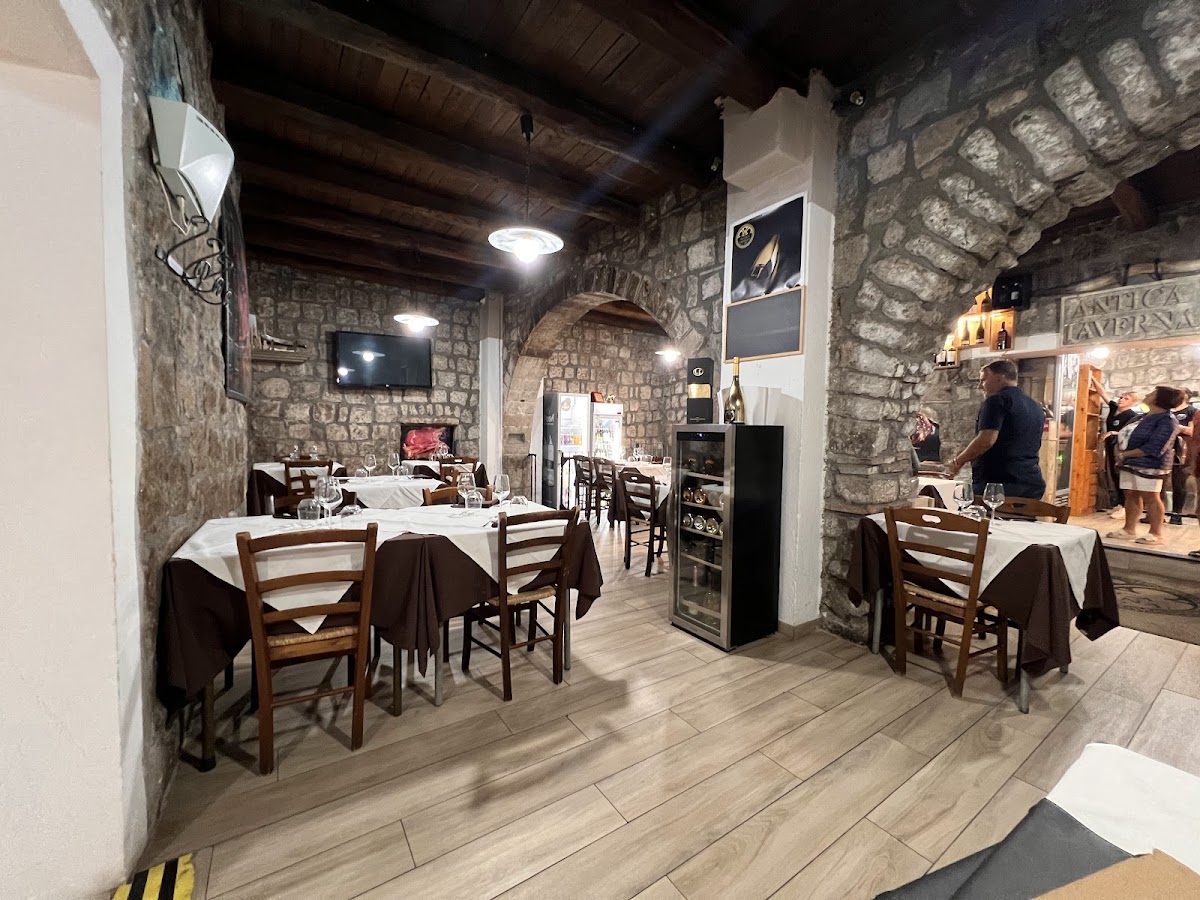
When to go: April-June and September-October are best. July-August is hot in the valleys but the hill towns stay 5-7°C cooler. November-March is atmospheric for the abbeys but cold and damp. How long: 2-3 days minimum. A weekend covers Anagni + Alatri + Casamari; 3 days adds Montecassino + Fossanova; 4-5 days the full territory including the hilltop villages of Arpino (Cicero's birthplace) and Sermoneta. Where to stay: small B&Bs and agriturismi cost €60-95/night, dramatically cheaper than central Lazio. Frosinone has business hotels (functional, not atmospheric). Food: hearty Apennine — pasta alla ciociara (with sausage and porcini), capretto al forno (roast kid goat), porchetta of Anagni, sheep cheeses (pecorino di Picinisco DOP), Cesanese del Piglio DOCG red wine. Budget for 3 days, two people: €350-500 total. Significantly cheaper than equivalent days in Tuscany or coastal Lazio.
Frequently asked questions
What does 'Ciociaria' mean?
From ciocia (plural ciocie), the traditional rough-hide sandal of the Apennine shepherds — a single piece of leather wrapped around the foot and tied with cords up the calf. The sandals were worn by shepherds in this region until the early 20th century and became the visual signature of the area in 19th-century Romantic painting (Roman models from Ciociaria were famous studio subjects). The name 'Ciociaria' as a regional identifier is informal — there's no administrative Ciociaria, just the Frosinone province plus parts of southern Lazio.
Is Montecassino worth visiting?
Yes, but understand it's a reconstruction — the 1948-1956 abbey is architecturally accurate but the surfaces are new. The history is the reason to go: the cradle of Western monasticism, the spiritual heart of Benedictine spirituality, and the site of one of WWII's most controversial Allied bombings. Allow 3-4 hours: 1 hour for the abbey itself, 1 hour for the museum, 1 hour for the military cemeteries below (the Polish cemetery is particularly moving). The drive up is steep with sharp curves. Free entry, donation appreciated.
Can you visit the cyclopean walls without a guide?
Yes, they're freely accessible at any time. Alatri's acropolis and walls are an open archaeological site with no fences or fees. Ferentino, Sermoneta, and Arpino similarly preserve sections of walls visible from public streets. The walls are most photogenic in low-angle morning or evening light when the shadows reveal the precise polygonal joints. For context, the small archaeological museum in Alatri (€3) provides explanatory panels.
What's the difference between Casamari and Fossanova abbeys?
Both are major Italian Cistercian abbeys built in the 12th-13th centuries; both are free to visit. Casamari is in the hills, still has an active monastic community, and produces famous herbal liquors (sold on site). The architecture is more complete — full cloister, chapter house, refectory all visible. Fossanova is on the coastal plain near Latina, smaller, and famous as the place where Saint Thomas Aquinas died in 1274. The death-room is preserved. If you only visit one: Casamari for architectural completeness; Fossanova for historical resonance.
Is Ciociaria suitable for a weekend with kids?
Partially. Alatri's cyclopean walls and Anagni's crypt frescoes appeal to history-curious children 10+; younger children may find the abbeys quiet and the towns devoid of obvious activities. Better with kids: agriturismi with farms (most Ciociaria agriturismi have animals, gardens, tractor rides), the natural park of Posta Fibreno (a karstic lake with a unique floating island, swimming in summer), or hiking the Aurunci Mountains. Skip Montecassino with very young children — the long drive and somber history don't suit small attention spans.
What wine should I drink in Ciociaria?
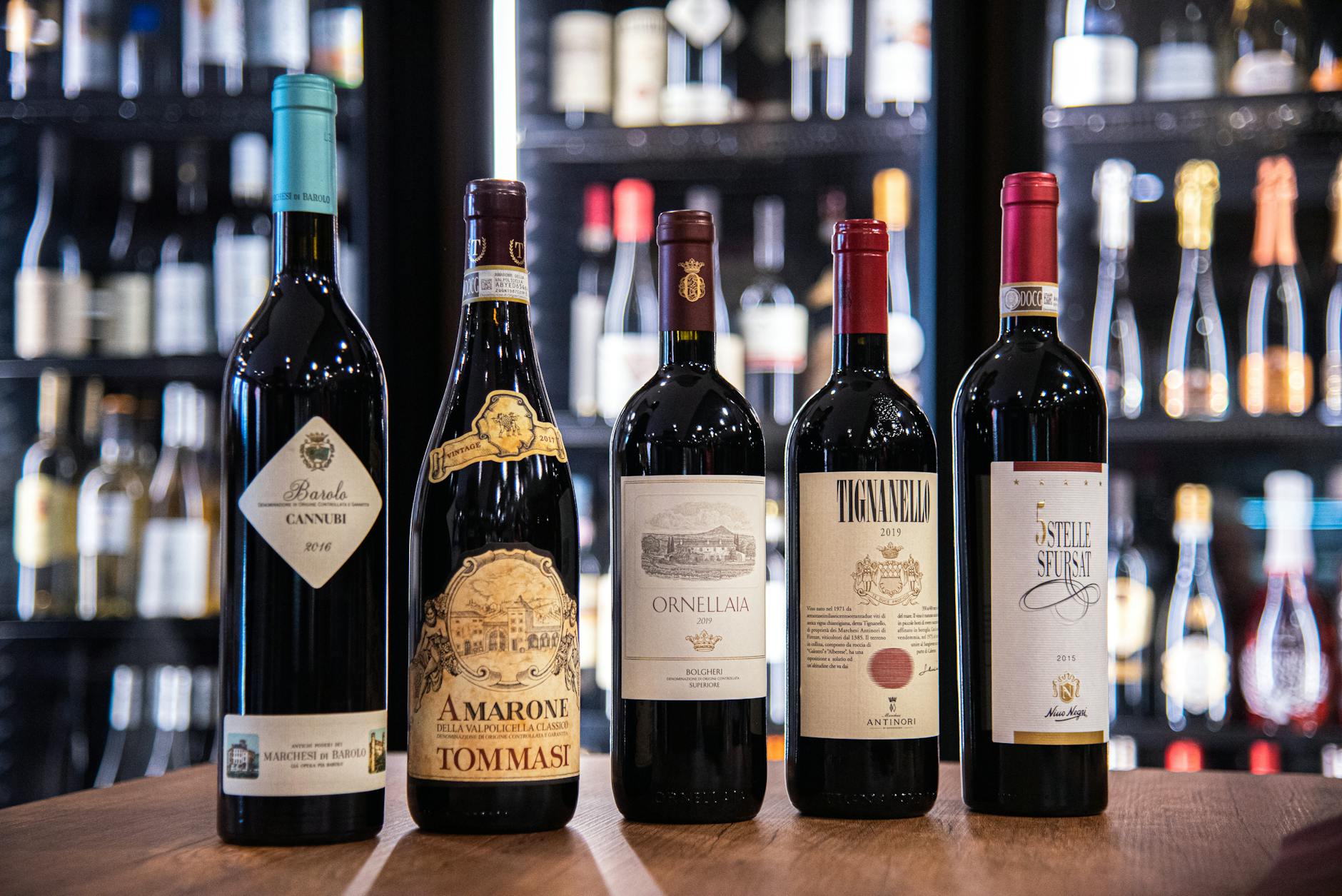
Cesanese del Piglio DOCG — Lazio's only DOCG (top-tier classification) red wine, made from the native Cesanese grape on the volcanic-limestone hills around Piglio, Anagni and Acuto. Medium-bodied, slightly bitter, food-friendly. Producers worth seeking: Casale della Ioria, Marcella Giuliani, Coletti Conti. Most rural trattorie serve the local Cesanese by the carafe (€6-10 per litre) — order this rather than imported wines. White: Passerina del Frusinate is the local white, light and citrussy. Both wines pair well with the heavy meat-and-cheese Ciociaria cuisine.
Why is Ciociaria so underrated?
Three reasons. It's overshadowed by adjacent Naples and Pompei to the south, which draw most international travellers past Lazio. The local tourism boards historically underinvested in marketing — there's no famous brand the way 'Amalfi' or 'Tuscany' work. And the towns are spread across rural valleys connected by minor roads — there's no easy 'Ciociaria highlight tour' for tour operators to package. For independent travellers with a car and an interest in pre-Roman archaeology, Cistercian architecture, and slow food: Ciociaria offers everything for half the price of comparable territories in Umbria or Tuscany.
Plan your trip
Plan now