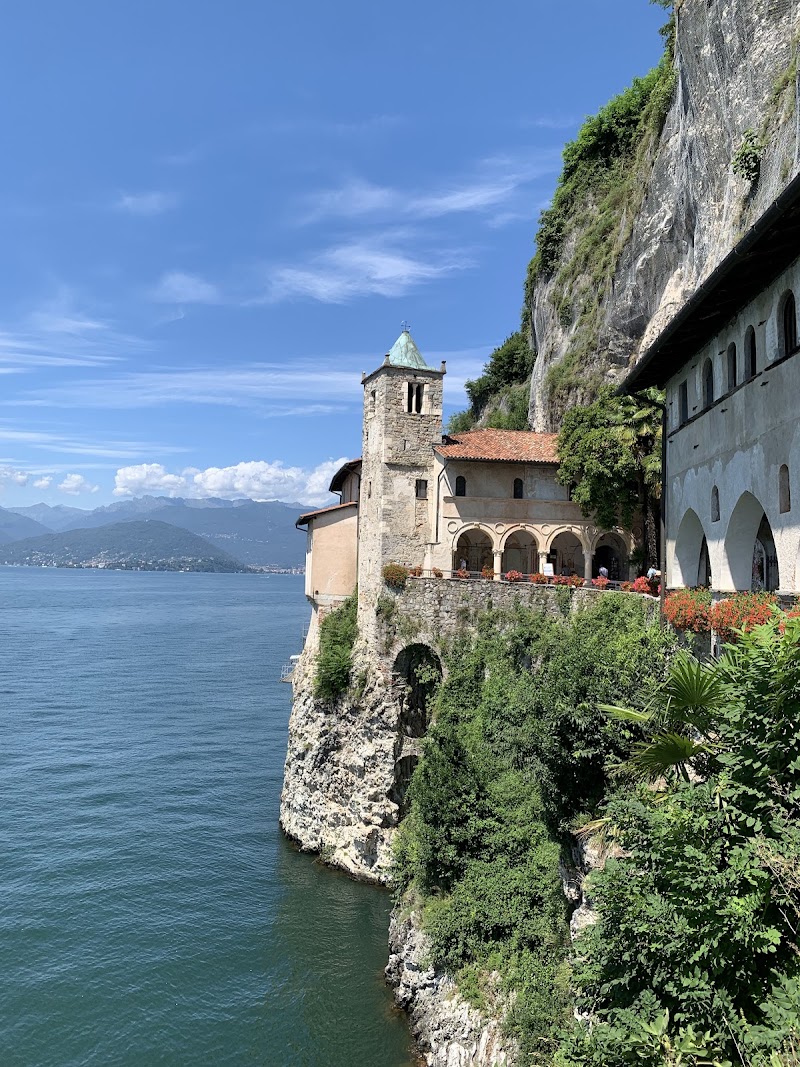
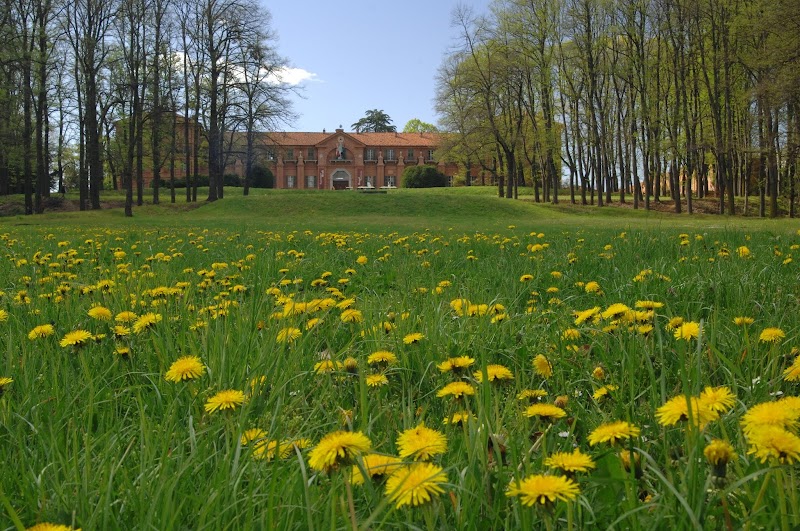
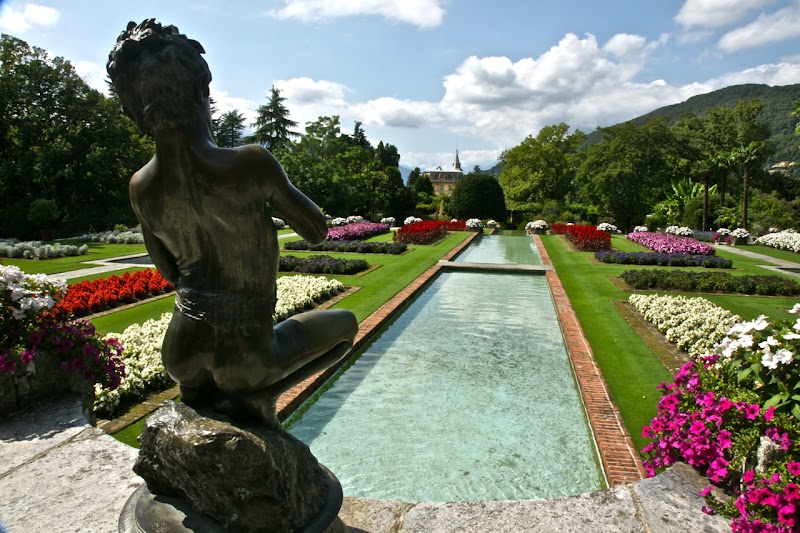
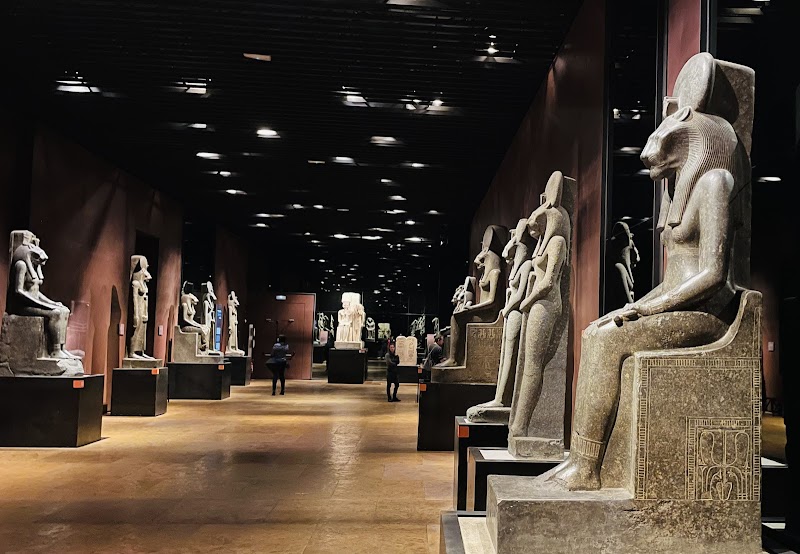
Between the famous axis of Rome–Florence–Venice lies a different Italy: Marche with its untouched Renaissance hilltop cities and wild Adriatic cliffs, Umbria's dense mystical forests and pilgrimage churches, and Abruzzo's wolf and bear country beneath the highest peaks of the Apennines. This is the Italy that Italians know and most foreign travellers miss entirely.

Marche — The Renaissance Secret
There is a corner of Italy that defies the modern rush of tourism while quietly harbouring the highest concentration of well-preserved historic towns per square kilometre in the country. This is Marche — a region of rolling, velvet hills that parallel the Adriatic, where defensive medieval walls crest every ridge and the spirit of the Renaissance remains entirely untouched by crowds. The journey begins in Urbino, a breathtaking UNESCO World Heritage hilltop city that looks exactly as it did when Raphael was born in its steep alleyways. Looming over the town is the monumental Palazzo Ducale, built by the legendary Renaissance humanist Duke Federico da Montefeltro, housing a peerless collection of Renaissance masterpieces. Turning inland, the earth opens at the Frasassi Caves (Grotte di Frasassi), one of the largest cave systems in Europe — towering stalactites and stalagmites illuminated like natural Gothic cathedrals. From darkness the route shoots to the Conero Peninsula: a dramatic geological anomaly where sheer limestone cliffs plunge into turquoise water hiding wild beaches like the Due Sorelle. The chapter culminates at Ascoli Piceno, built almost entirely of glowing honey-coloured travertine stone. Its Piazza del Popolo is arguably Italy's most harmonious medieval square, where locals sip anisette beneath Gothic arches. To the west, the jagged peaks of the Sibillini Mountains form the wild border with Umbria. → See our Marche weekend guide (Urbino, Conero, Sibillini) and our Urbino guide for the Palazzo Ducale and Raphael's birthplace.

Umbria — The Green, Mystic Heart
Crossing the Sibillini ridge brings you into Umbria — the only Italian region that touches neither sea nor foreign border. Known as the Green Heart of Italy, Umbria is a landscape of dense oak forests, silver olive groves, and ancient Etruscan stone, operating as the deeply spiritual and mystical core of the peninsula. The spiritual epicentre is Assisi, a pink-stone city on the slopes of Mount Subasio. Here, the Basilica of San Francesco houses the tomb of Saint Francis and a revolutionary cycle of frescoes by Giotto that fundamentally changed Western art by giving human emotion to sacred figures. Northwest of Assisi lies Perugia, the vibrant fortified regional capital entered through massive Etruscan stone gates, its medieval streets wrapped around the majestic Palazzo dei Priori housing the Galleria Nazionale dell'Umbria. Further north, Gubbio is an impossibly steep medieval town carved into Monte Ingino, famous for hosting the world's largest Christmas tree — an illuminated installation covering the entire mountain slope every December, recognised by the Guinness World Records. To the west, Lake Trasimeno, a vast and shallow sheet of water framed by reed beds and quiet fishing hamlets, is best explored on the panoramic Sentiero degli Ulivi connecting hilltop villages through centuries-old olive groves. South, Spoleto is dominated by a 14th-century fortress and the towering Ponte delle Torri aqueduct. Perched atop a volcanic tufa cliff, Orvieto's Duomo has a glittering Gothic mosaic facade and beneath its streets lies the Pozzo di San Patrizio — a 16th-century engineering marvel with a double-helix spiral staircase designed so donkeys could descend and ascend without crossing paths. The Umbrian chapter closes at Norcia, gastronomic capital of Italian butchery and black truffles — so famous that high-quality pork butchers across Italy are universally called norcinerie. → See our 4-day Umbria itinerary, our Assisi day trip, and our Orvieto day trip.

Abruzzo — The European Yellowstone
Heading south from Umbria, the landscape rises into the wild kingdom of Abruzzo — the region with the highest concentration of national parks and protected wilderness in Europe, and the true European Yellowstone. Wolves, brown bears, and lynx still roam ancient beech forests beneath the highest peaks of the continental Apennines. The rooftop of central Italy is the Gran Sasso Massif, dominated by the Corno Grande (2,912 m) — a jagged limestone peak harbouring Europe's southernmost glacier. Beneath it spreads Campo Imperatore, a vast high-altitude karst plateau known as Little Tibet: a desolate, wind-swept expanse of grass and stone with a cinematic beauty entirely detached from the Mediterranean world below. Perched on a ridge at 1,460 m stands Rocca Calascio, the highest fortress in Italy — its weather-beaten ruins, famously used as a backdrop in the film Ladyhawke, look like a natural extension of the limestone cliffs, with views sweeping across wild national park valleys. In the shadow of the mountains lies L'Aquila, the regional capital struck by a devastating earthquake in 2009 and undergoing one of the most complex historic restoration projects in modern history, its Baroque palaces and churches reopening block by block. Moving south through the Peligna Valley brings Sulmona, birthplace of the Roman poet Ovid (43 BC) and world capital of confetti — not paper, but sugar-coated almonds meticulously crafted into elaborate floral bouquets for Italian weddings, a tradition unbroken for centuries. The Parco Nazionale d'Abruzzo, Lazio e Molise is the ancient beating heart of Italian conservation, protecting the endangered Marsican brown bear and Apennine wolf in primeval forests. The journey meets the Adriatic at the Costa dei Trabocchi — a coastline dotted with intricate traditional wooden fishing platforms built on stilts extending over the water, some dating back centuries. To sit on a trabocco at sunset, eating fresh seafood while waves crash beneath the wooden planks, is the ultimate synthesis of this journey: wild mountain peaks and ancient sea traditions in a single unbroken horizon. → See our Abruzzo weekend guide, our Gran Sasso guide, and our Costa dei Trabocchi guide.
Practical tips
Urbino has no train station — the closest are Pesaro (40 km, 50 min by bus) and Fano. Rent a car from either, or take the direct Pesaro–Urbino bus. Without a car, the Marche interior is genuinely difficult; plan transport before committing to the region.
Assisi's Basilica di San Francesco requires modest dress (shoulders and knees covered — bring a scarf). Arrive before 9am or after 5pm to see Giotto's frescoes in relative quiet. The Lower Basilica is darker and quieter than the Upper; start there.
Orvieto: arrive by train (direct from Rome in 75 minutes) and take the funicular from the station to the clifftop town (€1.30; runs every 10 minutes). The Duomo facade is best seen in the afternoon when the sun hits the mosaics directly. Book the Pozzo di San Patrizio (€6) for the double-helix staircase.
Norcia accommodation: the historic centre is still partly under reconstruction from the 2016 earthquake. Options are limited — book well in advance. The agricultural surrounding valley has good agriturismo options with views of the mountains.
Rocca Calascio (1,460 m) is a 30-minute drive from Sulmona and a 20-minute walk uphill from the car park. Go in clear weather for the views across the Gran Sasso plateau. Combined with the nearby village of Santo Stefano di Sessanio (a slow-travel pioneer — single hotel, no chains), it is the most cinematic half-day in Abruzzo.
Sulmona confetti: buy from Pelino (in business since 1783, on Viale Peligna) or from artisan shops along Corso Ovidio. The traditional forms — white or pale pastel colours, crafted into flowers, wheat sheaves, or grapes — are the authentic product. Avoid the novelty colours and flavours.
Frequently asked questions
How many days do you need for Marche, Umbria, and Abruzzo?
14 days for all three regions done properly. A compressed 10-day version: Urbino and Conero (2 nights), Perugia and Assisi (2 nights), Orvieto and Spoleto (2 nights), L'Aquila and Gran Sasso (2 nights), Costa dei Trabocchi (2 nights). If you have only 7 days, choose one region and go deep — Umbria (Assisi, Perugia, Orvieto, Norcia) is the most accessible and varied in a week.
Is a car essential for this itinerary?
Yes — more so than almost any other Italian route. Umbria has reasonable train coverage between Perugia, Assisi, Spello, and Orvieto, but Norcia, the Valnerina, Gubbio, and Spoleto are difficult or impossible without a car. Marche's interior — Urbino, Frasassi, Ascoli Piceno, the Sibillini — requires a car entirely; the coastal train serves only the Adriatic strip. Abruzzo is almost completely car-dependent: Gran Sasso, Campo Imperatore, Rocca Calascio, the national park interior, and the trabocchi coast have no meaningful public transport. Rent in Ancona or Perugia at the start and return in Pescara or Chieti at the end.
Why is Umbria called the Green Heart of Italy?
For two reasons: geographically, Umbria is the only Italian region that touches neither the sea nor a foreign border, placing it literally at the centre of the peninsula surrounded on all sides by other Italian regions. And visually, it is one of the most densely forested regions in Italy — dense oak woods, silver olive groves, and the green valleys of the Tiber, Nera, and Topino rivers create a landscape of layered greens entirely different from the more famous Tuscan countryside directly to the west.
What is Marche and why is it so unknown?
Marche (the Marches in English) is the region on Italy's eastern Adriatic flank, between Emilia-Romagna to the north and Abruzzo to the south. It is largely unknown to international tourists for structural reasons: no single famous destination dominates its identity (unlike Tuscany with Florence, or Umbria with Assisi), its highlights are spread across a hilly interior that requires a car and planning, and it has never been heavily marketed abroad. Yet it has the highest concentration of well-preserved historic hill towns per square kilometre in Italy, an extraordinary Adriatic coast that alternates sandy beaches with the dramatic Conero limestone cliffs, and Raphael was born here in Urbino. It is the most rewarding underdog region in the country.
Is Assisi worth more than a half-day?
Yes — it deserves a full day and ideally a night. The Basilica di San Francesco alone requires 2 hours to see properly: the Lower Basilica (darker, more intimate, earlier frescoes including works attributed to Cimabue and the Pietro Lorenzetti Passion cycle) and the Upper Basilica (Giotto's famous 28-scene Legend of Saint Francis, the work that introduced naturalism and individual human emotion to European painting). Outside the basilica, the town climbs steeply to the Rocca Maggiore fortress for panoramic views over the Umbrian plain, and the Eremo delle Carceri (2 km above town, free, Saint Francis's cave hermitage in the forest) is completely different in atmosphere — quiet, forested, the opposite of the crowded basilica below.
What is the best base for exploring Umbria?
Perugia is the most practical: it is the regional capital with the best transport connections (FCU rail to Assisi and Terni, regular buses to Gubbio and Norcia, motorway access), a good range of accommodation at all price points, and enough to occupy a full day itself (the Etruscan gates, the Galleria Nazionale dell'Umbria, Perugino's fresco in the Sala del Cambio, the Rocca Paolina underground city). Orvieto is the best choice for the southern circuit (Orvieto, Todi, Spoleto, Narni) and has a direct fast train from Rome (75 minutes). Assisi is the most atmospheric for overnight but has limited restaurant quality outside the summer season.
What lives in Abruzzo's national parks?
The Parco Nazionale d'Abruzzo, Lazio e Molise (founded 1923, Italy's third oldest national park) is the most important wildlife sanctuary on the Italian peninsula. It is home to approximately 50–60 Marsican brown bears (Ursus arctos marsicanus), a distinct subspecies of European brown bear found only in this area of the central Apennines; around 50–70 Apennine wolves (Canis lupus italicus); the Apennine chamois; red deer; roe deer; and golden eagles. Bear sightings are common in the Pescasseroli valley in early morning and evening from May to October. The Gran Sasso and Majella national parks to the north and south extend the protected corridor, making Abruzzo the largest contiguous protected wilderness in Italy.
What are trabocchi and are they still working?
Trabocchi are traditional wooden fishing platforms built on stilts extending 10–20 metres over the Adriatic along the Abruzzo coast. They consist of a central platform connected to the shore by a narrow catwalk, with long arms extending outward supporting large nets (bilance) that are lowered into the sea and raised periodically to trap passing schools of fish. The oldest surviving examples date to the 18th century; the most concentrated stretch runs between Ortona and Vasto along what is now officially called the Costa dei Trabocchi. Many are no longer commercially fished but have been converted into restaurants — typically serving local Adriatic catch (mazzancolle, triglie, sogliola, moscardini) on their suspended wooden platforms. Dining on a trabocco at sunset is one of the most distinctive restaurant experiences in Italy; book at least 2–3 weeks ahead in summer.
What is the food of this central Italian spine?
Three distinct culinary traditions across the three regions. Marche: vincisgrassi (a rich baked pasta with offal ragù, the regional alternative to lasagne), brodetto (fish soup, each coastal town has its own version — Ancona, Porto Recanati, San Benedetto are the main variants), olive all'ascolana (Ascoli Piceno's stuffed and fried olives, the originals, with a meat filling), and Verdicchio dei Castelli di Jesi white wine. Umbria: black truffle from Norcia and Spoleto (used liberally on pasta, eggs, crostini from October to March), hand-made strangozzi pasta with truffle or ragù, porchetta of Costano, and Sagrantino di Montefalco DOCG (one of Italy's most tannic and age-worthy reds). Abruzzo: arrosticini (mutton skewers cooked over a long brazier, eaten standing, the defining street food), chitarra pasta (square-section pasta cut with a guitar-string frame), pallotte cace e ove (fried dumplings of cheese and egg in tomato sauce), Montepulciano d'Abruzzo wine.
Is L'Aquila recovering after the 2009 earthquake?
Yes, significantly, though recovery is still ongoing. The earthquake of 6 April 2009 (magnitude 6.3) killed 309 people and left 65,000 homeless; it severely damaged or destroyed most of the historic centre. Seventeen years later, the reconstruction — funded partly by EU and Italian state funds — has been remarkable in parts: the 99 fountains of the medieval Fontana delle 99 Cannelle have been fully restored, the Basilica di Santa Maria di Collemaggio (where Celestine V was crowned in 1294) has been painstakingly rebuilt, and the historic centre is once again inhabited and functioning. The Castello Cinquecentesco housing the Museo Nazionale d'Abruzzo has reopened. Some zones remain scaffolded and under reconstruction but the city is very much alive, proud, and worth visiting — arguably more so for having survived.
Plan your central Italy traverse
Marche, Umbria and Abruzzo — personalised day-by-day itinerary in 5 minutes
Plan now