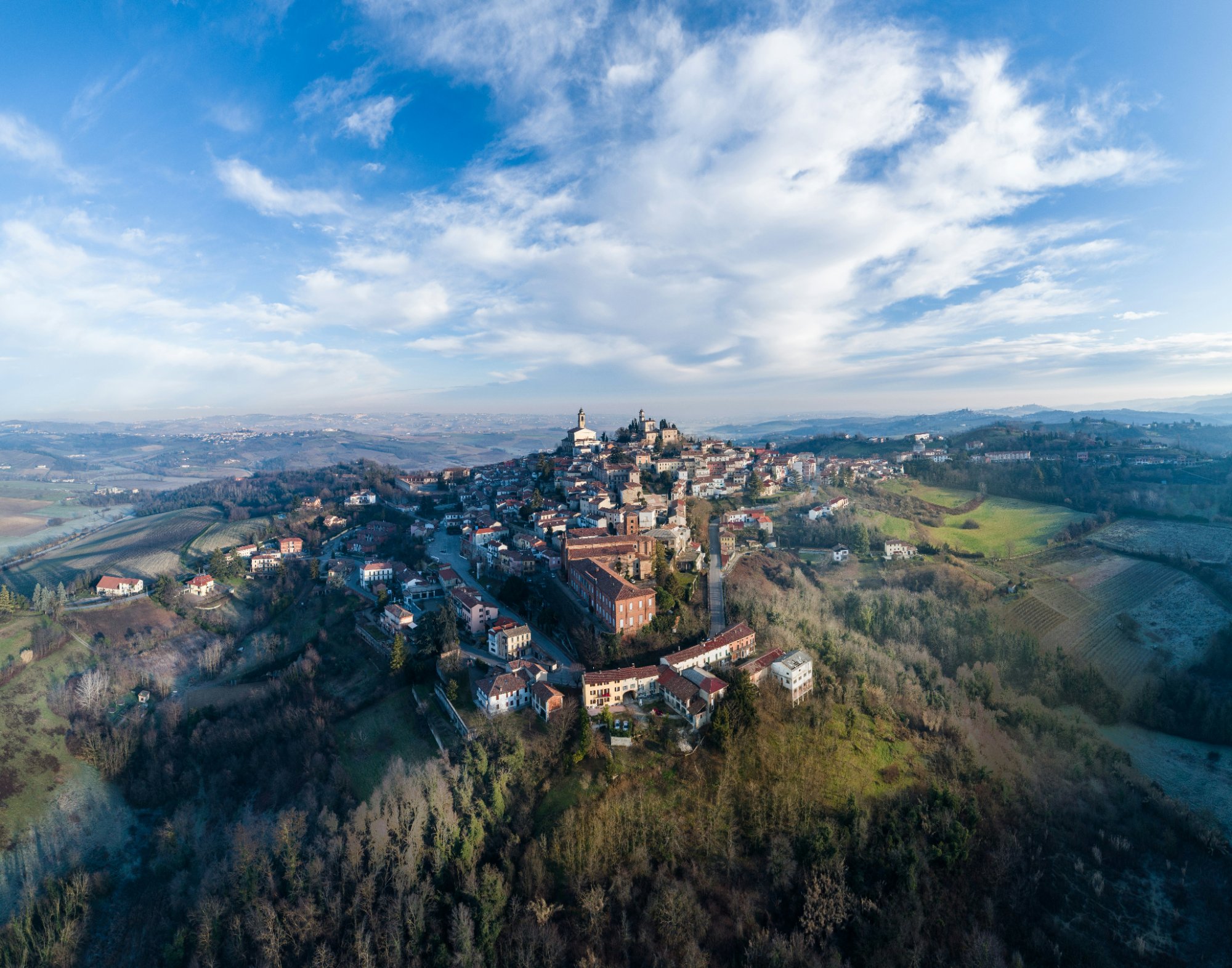
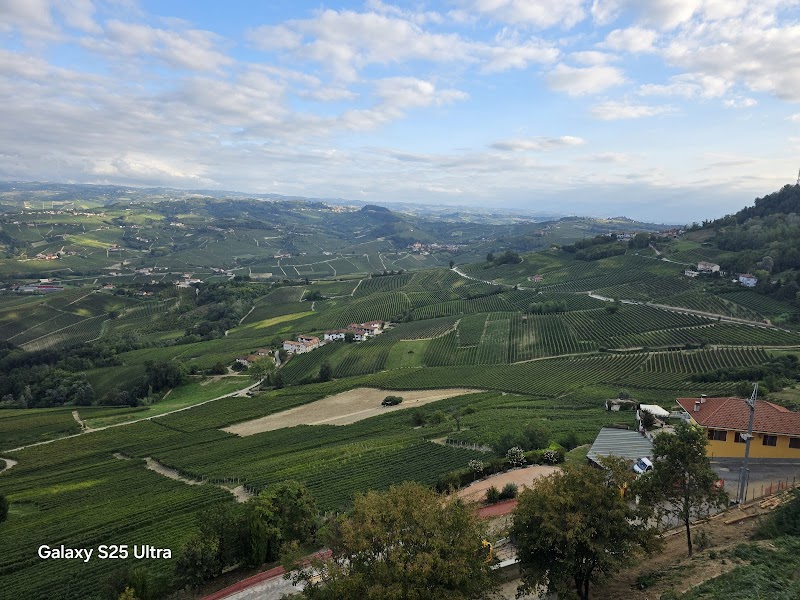
The Monferrato is Piedmont's most extensive wine zone — and its least photographed. While the Langhe dominate international guides to Piedmontese wine, Monferrato produces Barbera d'Asti DOCG, Grignolino, Ruché di Castagnole Monferrato, Moscato d'Asti DOCG and Asti Spumante DOCG. Asti is the provincial capital — a medieval city with a 12th-century civic tower, Gothic cathedral and an ancient palio (the Palio di Asti is Italy's oldest, predating Siena's). The surrounding hills conceal a series of villages almost unknown to international tourism: Canelli, Nizza Monferrato, Castagnole Monferrato, Vignale Monferrato — all with castles, historic cantinaes and restaurants where you still eat well at reasonable prices.
Asti: the Medieval City
Asti (AT) is 55km from Turin (A21 motorway, 40 minutes; train from Porta Nuova 40-50 minutes, €5.80). The medieval centre is walkable in 45 minutes. The Torre Rossa (12th century) and Torre Troyana (13th century) are the tallest survivors of the 120 noble towers that stood here in the 13th century — about twenty remain. The Duomo di Asti (Cathedral of Santa Maria Assunta, 14th century) is Piedmont's largest Gothic building: 96 metres long, brick construction, three naves. The Collegiata di San Secondo (12th-15th century) houses the historic Palio cloth — a strip of crimson fabric donated to the comune by Pope Gregory X in 1275, still displayed in the museum. The Palio di Asti runs every year on the third Sunday of September: 21 comuni race around the main square on horseback. Book grandstand seats months ahead.
Canelli: the Spumante Capital
Canelli (AT, 35km from Asti, 30km from Alba) is the capital of Italian spumante. The Cattedrali Sotterranee di Canelli — the historic cantinaes excavated under the city from the 19th century — are UNESCO World Heritage since 2014 (same site as the Langhe and Monferrato). Gancia, Contratto, Coppo and Bosca are the most important historic producers, all visitable by appointment. Gancia (founded 1850 by Carlo Gancia, who imported the Champagne method from France) has underground galleries over 5km long. Contratto (founded 1867) is the most architecturally elegant and produces the Millesimato — the benchmark Piedmontese classic method spumante. Asti Spumante DOCG and Moscato d'Asti DOCG are made from the same grape (Moscato Bianco) but differently: Asti is sparkling and more alcoholic (7-9%), Moscato d'Asti is lightly sparkling (sweet, 5-5.5%). Both pair with dry pastries and Piedmontese desserts.
Monferrato Villages: Vignale, Nizza, Moncalvo
Vignale Monferrato (AT, 20km from Casale Monferrato): a 17th-century castle transformed into a regional enoteca, with panoramic views over the hills. The Enoteca del Monferrato (in the castle, 10am-12:30pm and 2:30-6:30pm, closed Tuesday) gathers over 200 local producers — the best place to understand the breadth of Monferrato wine. Nizza Monferrato (AT, 15km from Asti): capital of Barbera d'Asti DOCG. The medieval centre is intact, the Thursday market is among the liveliest in the Asti area. Moncalvo (AT, 25km from Asti toward north): the smallest comune in Italy with its own historic carnival. Medieval centre with intact 14th-century arcades, truffle market in October.
What to Drink and Where to Eat
Barbera d'Asti DOCG is Monferrato's everyday wine — versatile, fruity, with high acidity that suits almost every local dish. It is produced throughout the Asti province and part of Alessandria; the best producers are around Nizza Monferrato. Ruché di Castagnole Monferrato DOCG is the rarest native variety: produced only in 7 comuni, nearly extinct grape saved in the 1970s by don Giacomo Cauda. Unique aromatic profile — rose, geranium, pepper. Bottles at €14-25 at the estate. For eating in Asti: Osteria del Diavolo (Vicolo Arazzieri 2, tel. 0141 354037) for the most classic Asti cooking — vitello tonnato, agnolotti al sugo d'arrosto, bollito misto. Expect €30-45 per person. For the territory: agriturismi on the Monferrato hills are generally better and cheaper than city restaurants.
Practical tips
The Cattedrali Sotterranee di Canelli are UNESCO since 2014 — book visits to Contratto or Gancia at least a week ahead for weekends
The Palio di Asti (third Sunday of September) is Italy's oldest — grandstand seats are booked months ahead through the Comune di Asti
Ruché di Castagnole Monferrato DOCG is Piedmont's most unknown and most interesting wine — find it in local wine shops at €14-25 per bottle
Moscato d'Asti (5-5.5% alcohol, lightly sparkling) is very different from Asti Spumante (7-9%, sparkling): the first is a sipping wine, the second an aperitivo wine
Plan your trip
Personalised day-by-day itinerary in 5 minutes — restaurants, hotels, live events.
Plan now