Piedmont is Italy's most complex wine region: 17 DOCG denominations and over 40 DOCs. Three indigenous grapes dominate — Nebbiolo, Barbera and Moscato Bianco — but near-extinct varieties survive alongside them: Ruché, Timorasso, Freisa, Grignolino. The fundamental distinction to understand before entering any cantina: Nebbiolo wines (Barolo, Barbaresco, Gattinara), Barbera wines (Asti, Alba), whites (Gavi, Arneis, Erbaluce, Timorasso) and rare indigenous wines. This guide is the thread connecting them.
Nebbiolo: Barolo, Barbaresco, Gattinara
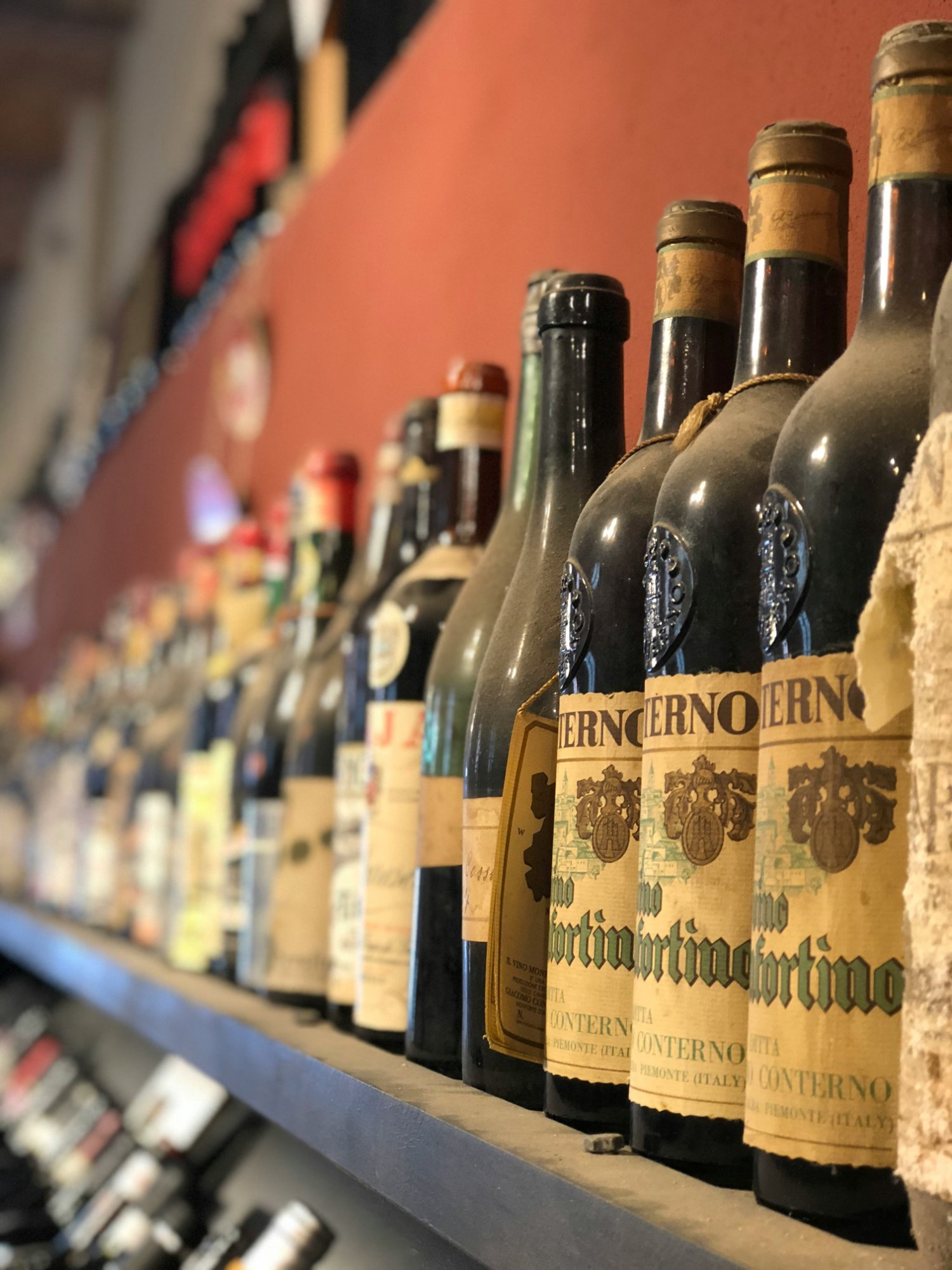
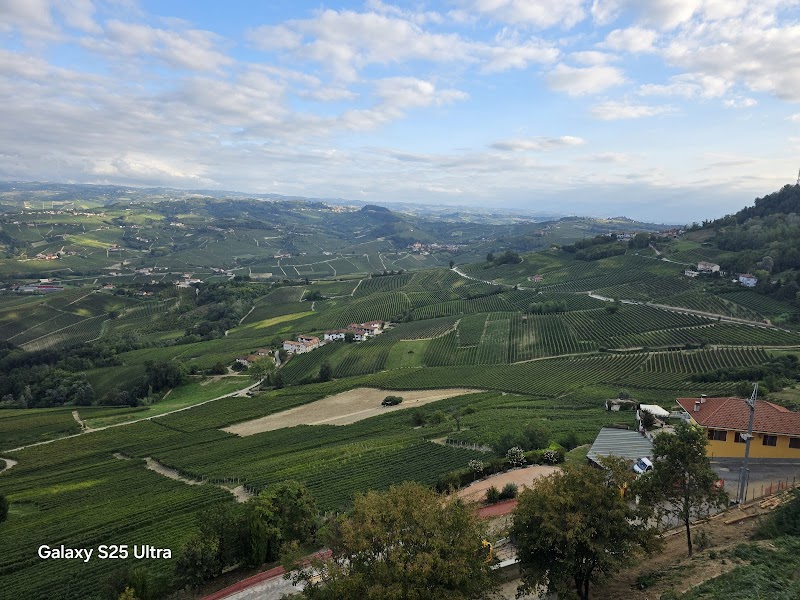
Nebbiolo is Piedmont's noble grape — very late-ripening (late October), needing precise exposures on calcareous soils, producing wines of very high tannins and acidity that in bottle become elegance. Barolo DOCG (7 comuni) ages at least 62 months before release, 88 for Riserva. Barbaresco DOCG (4 comuni) ages at least 26 months — structurally similar to Barolo but generally more elegant and less tannic. To the north: Gattinara DOCG and Ghemme DOCG, Nebbiolo on volcanic soils — more mineral style, less famous, cheaper at equivalent quality. Optimal drinking window for a serious Barolo: 10-20 years from harvest. Young (under 10 years) should always be decanted at least 2 hours.
Barbera: the Everyday Wine
Barbera is Piedmont's most planted and most internationally undervalued grape. High acidity, almost zero tannins, lively fruit: the wine Piedmontese drink every day. Barbera d'Asti DOCG (Asti and Alessandria provinces) is the most elegant; Barbera d'Alba DOCG (Cuneo province) the most structured. The Superiore version — minimum wood ageing — is one of Italian wine's best value propositions: bottles at €12-20 comparing with wines twice the price from other regions. Reference producers: Braida, La Spinetta, Prunotto, Vietti.
The Whites: Gavi, Arneis, Erbaluce, Timorasso
Piedmont is not only reds. Gavi DOCG (Cortese, Alessandria province) is the most internationally known Piedmontese white: dry, mineral, firm acidity. Roero Arneis DOCG — right bank of the Tanaro — peach and white flower aromas, ideal with lake fish antipasti. Erbaluce di Caluso DOCG (Turin province) also produces Caluso Passito DOCG from botrytis, with 10-20 year longevity. Timorasso (Derthona DOCG, Colli Tortonesi, Alessandria province) is the most extraordinary case: near-extinct in the 1980s, rediscovered by Walter Massa in the 1990s — white Burgundy structure, 10-15 year longevity, still €20-40 at the estate.
The Rare Wines: Ruché, Grignolino, Freisa
Ruché di Castagnole Monferrato DOCG is produced in only 7 comuni of Asti province from a grape near-extinct in the 1970s. Unique aromatic profile: rose, geranium, black pepper, violet. Bottles at €14-25 at the estate — still underpriced relative to quality and rarity. Grignolino d'Asti DOC has very pale colour and dry tannins — seems flawed to the uninitiated but is a pairing wine for elaborate dishes and blue cheeses. Freisa d'Asti DOC — dry or medium-sweet, still or lightly sparkling, raspberry and violet aromas — almost impossible to find outside the territory.
How to Buy: Regional Enoteche and Prices
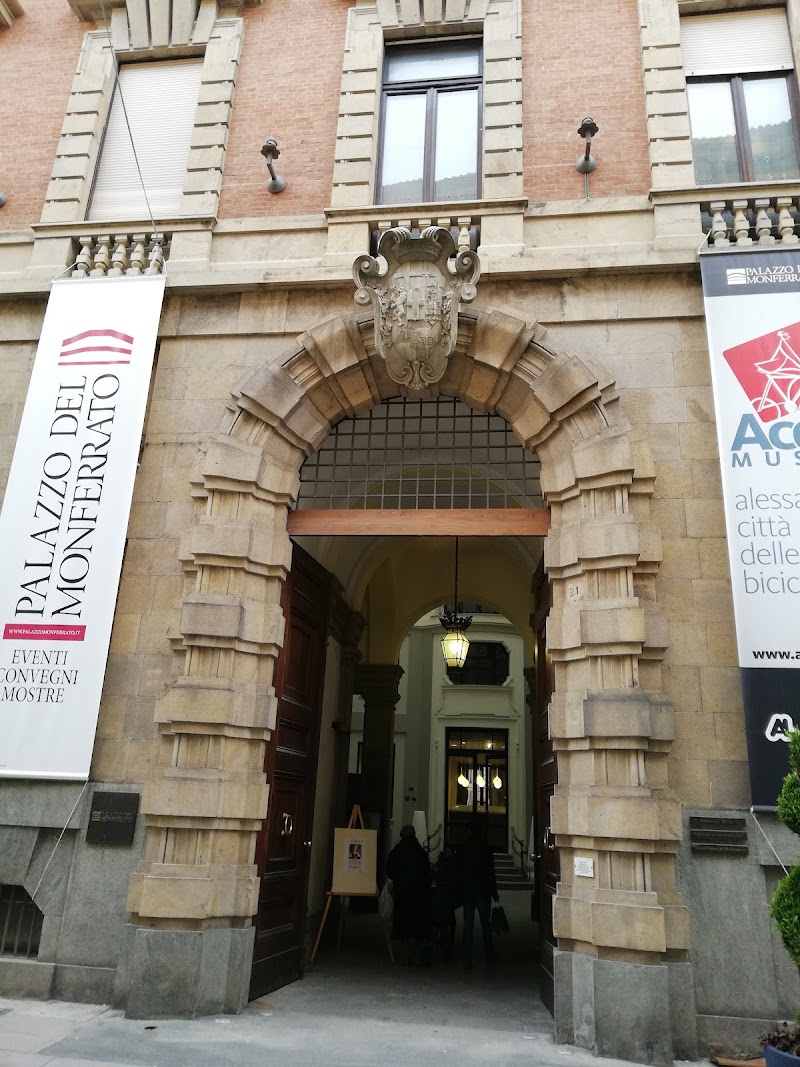
The regional enoteche are the most reliable purchase points: Enoteca Regionale del Barolo (Castello Falletti, Barolo), Enoteca Regionale del Barbaresco (San Donato church, Barbaresco), Enoteca del Monferrato (Vignale Monferrato), Enoteca Regionale di Canelli. All offer wine by the glass and sales at estate prices. Indicative estate prices: Langhe Nebbiolo €12-20, Barolo base €25-50, Barolo MGA €35-80, Barolo Riserva 10+ years €80-200. Restaurant Barolo from the local producer runs double the estate price. Serving temperature: Barolo/Barbaresco 18°C; Barbera 16°C; Gavi/Arneis 10-12°C; Moscato d'Asti 8°C.
Practical tips
Langhe Nebbiolo (€12-20 at the estate) is the cheapest way to understand Nebbiolo before investing in Barolo — same grape, less tannins, more approachable young
Young Barolo (under 10 years) should always be decanted for at least 2 hours — open it and let it breathe, or it will be astringent and closed
Gattinara and Ghemme DOCG (Nebbiolo on volcanic soils) have quality comparable to Barbaresco at prices often 30-40% lower
Timorasso Derthona DOCG is the great unknown Italian white: white Burgundy structure, 10-15 year longevity, still €20-40. Find it in the Colli Tortonesi (AL)
Ruché di Castagnole Monferrato DOCG is Piedmont's most undervalued wine: unique aromas (rose, geranium, pepper), €14-25 at the estate, produced in only 7 comuni
Plan your trip
Personalised day-by-day itinerary in 5 minutes — restaurants, hotels, live events.
Plan now