The Colosseum-Forum-Palatine archaeological complex is the most-visited single ticket in Italy — over 7 million annual visitors as of 2024 — and the queue management is now genuinely demanding. This guide is a single-day walking itinerary covering the four key imperial sites (Colosseum, Roman Forum, Palatine Hill, plus the often-skipped Domus Aurea) with the ticket combinations, opening times, transit, and queue-avoidance tactics that experienced visitors use. Doing this efficiently is not optional — it's the difference between seeing the sites properly and queueing for 3 hours. For broader Rome itineraries covering Vatican, Trastevere and the historic centre, see our 5-day Rome itinerary. For the regional context including Tivoli and the Castelli Romani, see the Rome & Lazio definitive guide.
The ticket strategy (read this first)
The single most important decision. There are three ticket levels for the Colosseum-Forum-Palatine complex, all sold through coopculture.it (the official ticketing system): Standard (€18, valid 24 hours, allows one entry to Colosseum + one to Forum/Palatine — same ticket covers both): basic experience, no special access. Full Experience (€24): includes the underground hypogeum and the upper tier (third level) of the Colosseum — strictly limited access, books out 1-2 weeks in advance for weekends. SUPER ticket (€24, 7-day validity): adds Domus Aurea, the temples of Caesar and Romulus, and several Palatine villas — best value for serious visitors. CRITICAL: never buy from third-party touts outside the Colosseum. Their tickets are real but mark-up is 50-200% and they steer you to slow tour groups. Book online at coopculture.it 24-72 hours ahead for weekday slots, 1-2 weeks ahead for weekends.
8:30 — The Colosseum at opening
Book the first slot of the day (8:30) and arrive 15 minutes before. The 8:30 slot is genuinely much quieter than 10:00+, when tour groups descend en masse — you'll have the upper levels almost to yourself for 30 minutes. Allow 90-120 minutes for the standard Colosseum visit. If you've booked the Full Experience ticket: descend immediately to the hypogeum (underground gladiator corridors and animal lifts) — these slots are strictly timed and you must be at the dedicated entrance at your booked time. The hypogeum visit is 30 minutes and worth the upgrade for serious history enthusiasts; routine visitors find the upper-level views more rewarding. The Arena floor reconstruction (€5 add-on, available with Full Experience) lets you stand where the gladiators fought — visually impressive but archaeologically misleading (the floor is modern wood, not original).
11:00 — The Roman Forum
Exit the Colosseum toward the Arch of Constantine (free) and the Via Sacra, the main ceremonial road of ancient Rome. The Forum entrance is 100 metres up the road — your same ticket covers entry. The Forum is the political and religious heart of the Roman Republic and Empire. Key buildings in order of visit: the House of the Vestal Virgins (largely preserved), Temple of Saturn (the eight surviving columns are the Forum's iconic image), Temple of Caesar (where Caesar's body was cremated in 44 BC, still receives flowers), Arch of Septimius Severus, Curia Julia (the original Roman Senate building, exceptionally preserved), and the Basilica of Maxentius (the largest standing structure, originally roofed). Allow 90 minutes. Audio guide (€5) helps enormously — the ruins are dense and without commentary look like piles of stones. Bring water; almost no shade.
13:00 — Lunch break (read carefully)
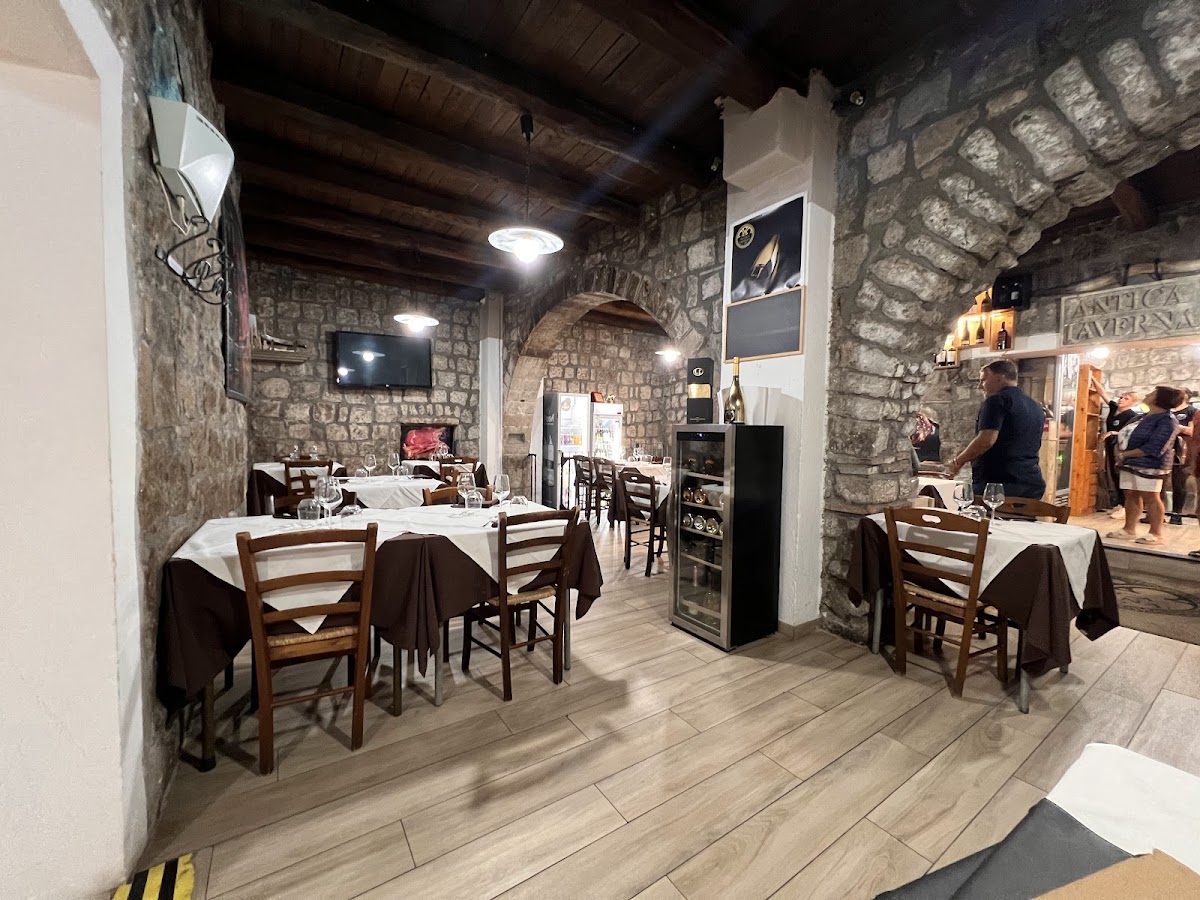
The single biggest mistake first-time visitors make: lunch in any restaurant within 500 m of the Colosseum. The Via Cavour and Via dei Fori Imperiali area is dense with €25-40 tourist menus serving frozen pasta. Walk 15 minutes to one of three reliable areas instead. Monti neighbourhood (north of the Forum): La Carbonara (Via Panisperna, since 1906, €25-35 for proper Roman cuisine), or Forno Roscioli for sliced pizza al taglio (€3-5 a slice). Celio neighbourhood (south of the Colosseum): La Taverna dei Quaranta (Via Claudia, €22-30 for solid Roman trattoria food). Cheap and excellent: Pizzarium (Via della Meloria, Vatican area but worth a metro trip) for the best pizza al taglio in Rome (€4-6 a slice). All three areas are 10-15 minutes from the Forum exit. Allow 90 minutes for lunch — you've earned it.
14:30 — The Palatine Hill
Re-enter using the same ticket — go directly to the Palatine entrance at the eastern end of the Forum (most visitors miss this, the hill is dramatically less crowded than the Forum below). The Palatine is the legendary birthplace of Rome (where Romulus drew the city's boundary in 753 BC) and the residence of emperors from Augustus through the late empire. Stadium of Domitian (the imperial palace's private hippodrome), the Domus Augustana (Augustus's house, with restored frescoes), the gardens of Tiberius (Orti Farnesiani, planted in the 16th century above imperial ruins), and the panoramic view over the entire Forum from the Belvedere terrace. Allow 90 minutes. The Palatine is significantly less explained than the Forum — without a guide or audio guide, much of what you see is undifferentiated stonework. The SUPER ticket gives you access to several restored imperial villas including the spectacular House of Augustus and House of Livia (booking required at the entrance, free with ticket).
16:30 — Domus Aurea (the secret weapon)
The Domus Aurea (Nero's Golden House) is the single most spectacular and underutilised Imperial Roman site in the city — and most visitors skip it entirely. Built by Emperor Nero between 64-68 AD after the Great Fire of Rome devastated the city centre, the original villa covered 80 hectares (including the area where the Colosseum was later built) with a 30-metre statue of Nero in the entrance hall. After Nero's suicide, his successors deliberately buried the villa under the foundations of the Baths of Trajan, where it lay forgotten until Renaissance artists tunnelled into it from above — Raphael and Michelangelo studied the original Roman frescoes here, and the term 'grotesque' (from Italian grotta) was coined to describe the strange ornamental style. The site requires a SUPER ticket plus a guided visit slot (typically Saturday and Sunday only, booking ahead essential, €5 add-on). The 90-minute visit includes virtual reality reconstruction of the original villa. This is the highlight of imperial Rome for serious enthusiasts.
Frequently asked questions
How much time do you need for the Colosseum-Forum-Palatine?
Minimum 5-6 hours for a proper visit covering all three sites at standard depth. The Standard ticket (€18) allows one entry to Colosseum and one to Forum/Palatine within 24 hours — you can split across two days if you want (morning Colosseum day 1, morning Forum/Palatine day 2) but the standard single-day approach works for most visitors. Add 90 minutes if you've booked Full Experience (hypogeum and upper level). Add 2 hours if you've booked the SUPER ticket including Domus Aurea.
Should I book skip-the-line tickets or use a tour?
Book skip-the-line directly via coopculture.it — €18-24, no commission, your booked time slot guarantees fast entry. Skip third-party 'skip-the-line' resellers charging €40-60 (same ticket, higher price). Guided tours are worth it if you want narrative — reputable operators (Through Eternity, Walks of Italy, City Wonders) charge €60-90 for 3-hour group tours including ticket. Skip the touts outside the Colosseum charging €80-120 for tour-plus-ticket — quality is uneven and you join slow tour groups. Self-guided with audio guide (€5) is the best value for most visitors.
Is the Domus Aurea worth the extra ticket?
Yes, for serious history enthusiasts — it's the most spectacular underutilised imperial site in Rome. The 90-minute guided visit (only Saturday/Sunday, booking essential) takes you through Nero's surviving palace rooms with original frescoes and includes a virtual reality reconstruction showing how the original villa looked. Skip if you're a casual visitor or short on time — the Colosseum/Forum/Palatine alone is plenty of imperial Rome for most travellers. The SUPER ticket including Domus Aurea is €24 (vs €18 standard).
What's the best time of year to visit?
April-May and September-October — mild weather, sites at full operation, manageable crowds. November-March is the cheapest and least crowded but cold and wet (Rome rains 80+ days a year, mostly in winter). July-August is hot (35°C+) and crowded — Forum and Palatine have almost no shade, exhausting at midday. Christmas-New Year is crowded with European holidaymakers. The single worst week to visit is the third week of August (Ferragosto period, Italian holiday) when crowds peak. Best weekday: Tuesday or Wednesday outside peak season; even high-season Tuesday mornings are calmer than Saturdays.
Can I combine this with the Vatican on the same day?
Technically yes but it's a punishing day — 10-12 hours of walking with serious crowds in two of the world's most-visited sites. Better split across two days: Colosseum-Forum-Palatine one day (typically morning to late afternoon), Vatican Museums and St Peter's a separate day (Vatican Museums takes 4-5 hours alone). If you must combine in one day: Colosseum 8:30 opening, Forum/Palatine 10:00-13:00, lunch, Vatican Museums 15:00 (last entry 16:00 most days). Skip the Domus Aurea entirely on a combined-day plan.
Are the sites accessible for visitors with mobility issues?
Partially. The Colosseum has elevator access to the upper tier (request at entrance) and wheelchair-accessible viewing levels — most of the site is visitable. The Forum is partially accessible — the main Via Sacra is paved cobblestone but flat, and most of the central monuments are reachable without stairs. The Palatine Hill is significantly harder — a steep climb with multiple stairs, no elevator. Domus Aurea visit involves narrow corridors and is not wheelchair accessible. Most visitors with serious mobility issues skip the Palatine and Domus Aurea; the Colosseum and Forum alone make a worthwhile visit.
How do I avoid the tourist trap restaurants near the Colosseum?
Walk 10-15 minutes in any direction except west (the Imperial Forums area). The 500-metre radius around the Colosseum is essentially a tourist-menu zone — assume €25-35 per head for mediocre frozen pasta. Walk 15 minutes north to Monti for proper Roman trattorie (La Carbonara, Trattoria Monti); walk 10 minutes south to Celio (La Taverna dei Quaranta); or take a 5-minute metro ride to Pizzarium for the best pizza al taglio in Rome. Any restaurant with menus in 4+ languages or photos of dishes outside is a tourist trap. Any restaurant with a hand-written daily menu in Italian only is probably good.
Plan your trip
Build your itinerary